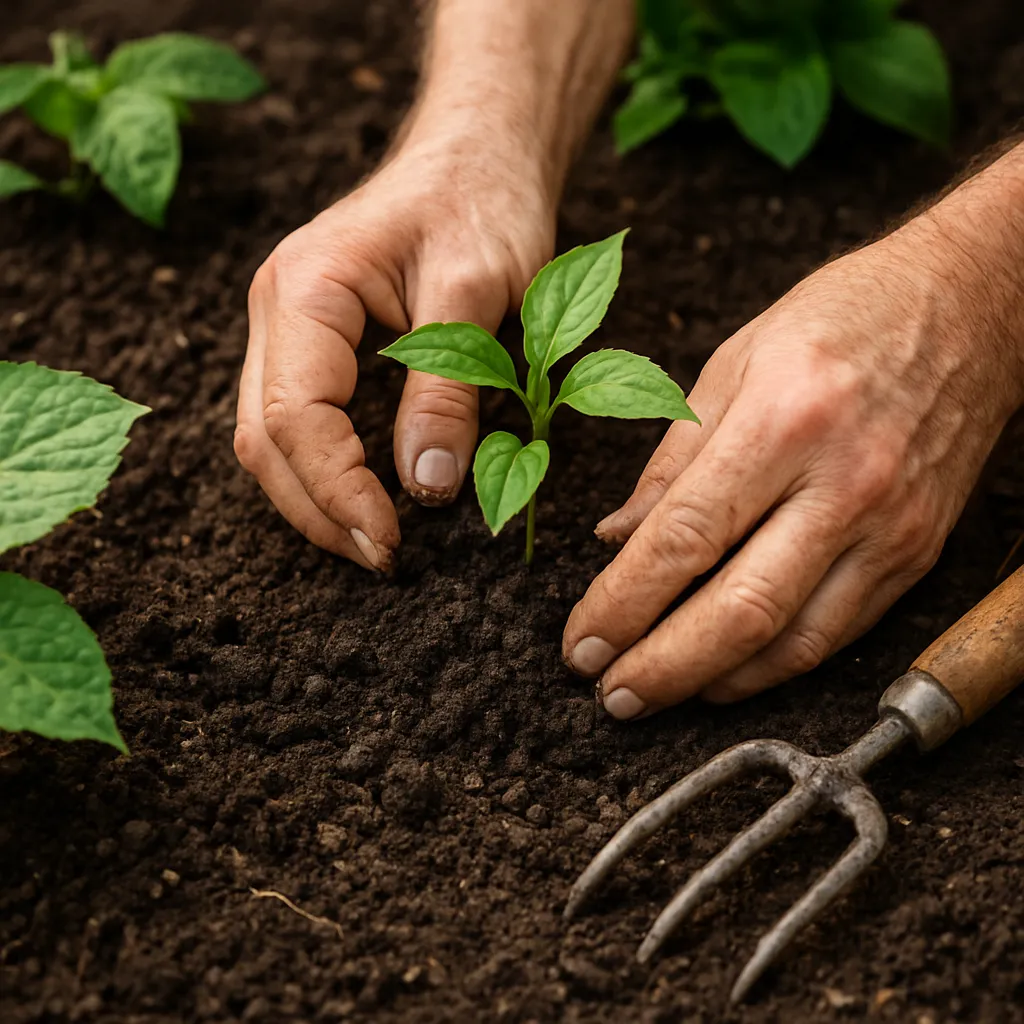
Effective control of soil-borne diseases is essential for maintaining healthy crops and achieving sustainable yields. Understanding the life cycles of harmful organisms, adopting proactive practices, and integrating modern technologies can drastically reduce losses caused by root rots, wilts, and damping-off. This article explores key strategies to keep your fields free from destructive agents and foster a robust growing environment.
Understanding Soil-Borne Pathogens
What Are Soil-Borne Diseases?
Soil-borne diseases are caused by a variety of microorganisms that persist in the soil and attack plants through their roots. These pathogens include fungi, bacteria, nematodes, and oomycetes. They can survive for years in crop debris or as resting spores, making detection and eradication challenging. Once they infect a plant’s rhizosphere, they disrupt water and nutrient uptake, leading to stunted growth, leaf yellowing, wilting, and even plant death.
Common Culprits and Their Impact
- Fusarium species: Cause wilts and crown rots in tomatoes, melons, and legumes.
- Pythium and Phytophthora: Responsible for damping-off in seedlings and root rot in mature plants.
- Rhizoctonia solani: Leads to stem canker, root rot, and wirestem.
- Nematodes (e.g., root-knot): Create galls on roots, weakening the plant and opening entry points for other pathogens.
Preventive Strategies
Cultural Practices
Preventing disease begins before planting. Implementing sound crop rotation reduces the buildup of specific pathogens by alternating susceptible and non-host crops. A rotation cycle of at least three years is recommended for high-risk fields. Maintaining field sanitation by removing plant debris and volunteer plants eliminates reservoirs of infection. Selecting resistant varieties can offer genetic protection, lowering disease pressure without relying solely on chemical inputs.
Soil Health and Amendments
Healthy soil supports beneficial microorganisms that outcompete or suppress pathogens. Incorporating well-rotted compost boosts organic matter and microbial diversity. Adjust soil pH to optimal levels (usually between 6.0 and 7.0) to favor crop uptake of nutrients and discourage certain pathogens. Practices such as soil solarization (covering moist soil with clear plastic for 4–6 weeks during the hottest part of summer) can raise soil temperatures high enough to kill many soil-borne foes.
Water and Irrigation Management
Overwatering or poor drainage creates anaerobic conditions that favor root-rotting pathogens. Implement irrigation management techniques such as drip or subsurface irrigation to deliver water directly to the root zone, minimizing surface moisture. Regularly inspect drainage channels to prevent standing water. Maintaining a soil moisture monitor helps monitoring and decision-making, ensuring plants receive sufficient—but not excessive—water.
Management and Control Measures
Chemical Controls
When preventive measures are insufficient, chemical treatments can reduce disease severity. Application of fungicides may be necessary, especially in high-value crops. Seed treatments with systemic fungicides protect young seedlings from early damping-off. Soil drenches target established infections but must be used judiciously to avoid resistance development. Rotate chemical classes and follow label instructions to maintain efficacy and environmental safety.
Biological Controls
Leveraging living organisms to suppress pathogens is an eco-friendly alternative. Introduce beneficial microbes such as Trichoderma species, Bacillus subtilis, or mycorrhizal fungi, which colonize the root zone and compete with or antagonize harmful organisms. Biofumigant cover crops (e.g., mustards) release natural biocidal compounds when incorporated into the soil. Combining several biocontrol agents can enhance diversity and provide broad-spectrum protection.
Emerging Techniques and Future Directions
Innovations in precision agriculture and genomics are transforming disease management. Soil sensors, remote sensing, and GPS mapping enable site-specific treatment, reducing inputs and environmental impact. Metagenomic sequencing reveals the complex soil microbiome, uncovering new beneficial strains and interactions. Gene editing and plant breeding are accelerating the development of resilient cultivars with multi-gene resistance. Adopting these cutting-edge approaches will empower growers to stay ahead of evolving soil-borne threats and maintain productive, sustainable systems.