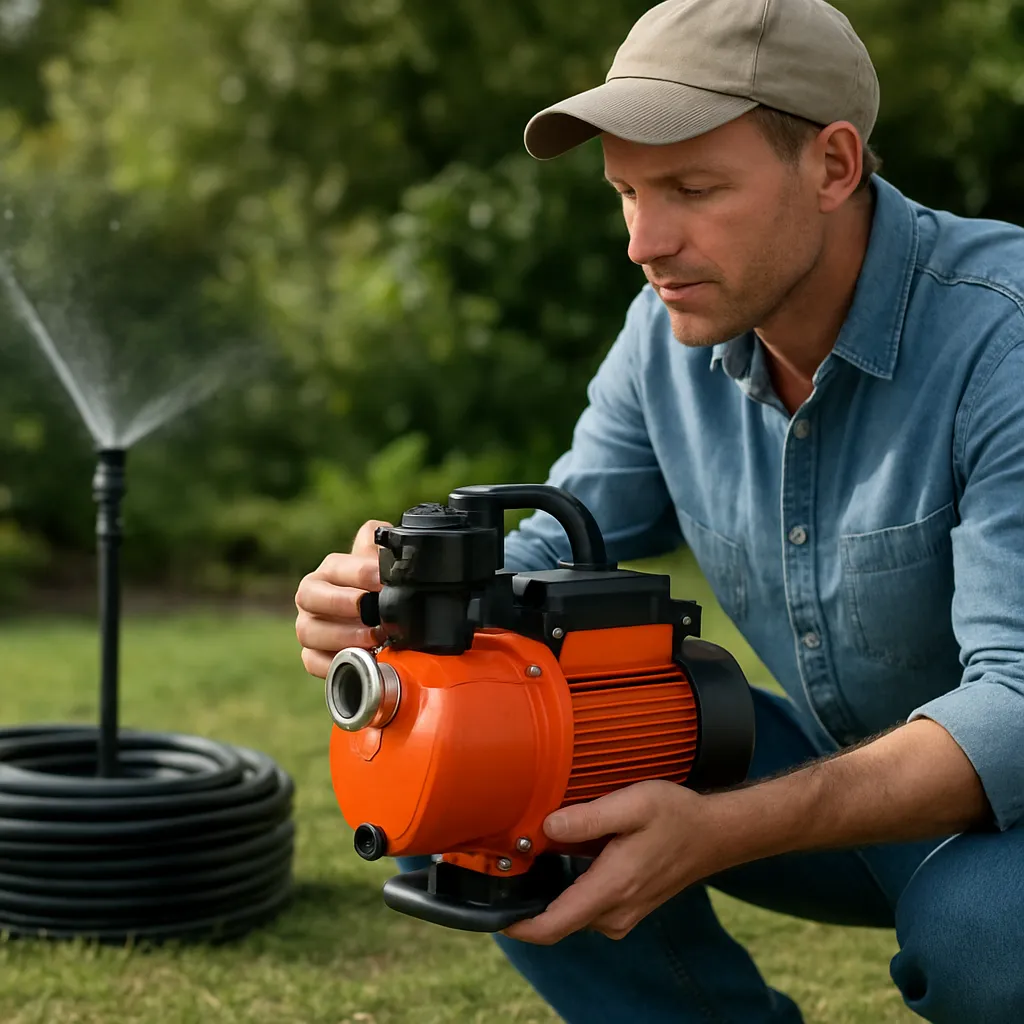
Selecting the ideal irrigation pump is critical for maximizing crop yields, optimizing water usage, and reducing operational costs. A well-chosen system ensures consistent flow rate, reliable pressure, and long-lasting performance under varying field conditions. This guide will walk you through key considerations, from understanding pump types to evaluating maintenance needs, so you can make an informed decision for your agricultural operation.
Understanding Different Irrigation Pump Types
There are several main categories of pumps used in agriculture. Each design offers unique advantages, and matching the right type to your needs is essential.
Centrifugal Pumps
Centrifugal pumps are among the most common for irrigation. They use a rotating impeller to transfer water, making them well-suited for moderate-to-high flow applications. Their simple design, relatively low cost, and ease of installation make them a popular choice for fields, orchards, and greenhouses.
- Best for large-volume water transfer
- Requires priming in many configurations
- Efficient at moderate heads
Positive Displacement Pumps
Positive displacement pumps move water by trapping a fixed amount and forcing it through the system. They excel in high-pressure, low-flow scenarios, making them ideal for drip irrigation or high-elevation terrains where maintaining pressure is critical.
- Consistent output regardless of changes in system pressure
- Suitable for viscous fluids or mixed water sources
- Higher initial cost but reliable performance
Submersible Pumps
Submersible pumps operate underwater, directly in wells, ponds, or storage tanks. Their submerged placement reduces priming issues and noise levels. They can deliver water efficiently with minimal maintenance, provided the water quality is free from large debris.
- Compact footprint and quiet operation
- Requires proper sealing to prevent water ingress into the motor
- Ideal for deep-well or borehole systems
Assessing Your Field Requirements
Before selecting a pump, evaluate your farm’s specific needs. A systematic assessment ensures that the unit you choose will meet performance expectations without wasting energy or funds.
Calculating Flow Rate and Head
First, determine the required flow rate—the volume of water you need per minute or hour. Combine this with the total dynamic head, which includes vertical elevation changes, friction losses in pipes, and additional static head. Accurate calculations help avoid oversized or undersized pumps that can lead to inefficiencies or equipment stress.
Water Source Characteristics
Identify your water source: well, pond, river, or municipal supply. The quality and level fluctuations of that source influence pump selection:
- Depth and static water level for wells or boreholes
- Potential for silt, sand, or debris in surface water
- Seasonal variations in water availability
Power Availability and Fuel Options
Decide between electric and diesel (or gasoline) drive systems. Electric motors offer lower operating costs and quieter performance but require reliable grid access or solar panels. Diesel units provide mobility and independence from power grids but involve higher fuel expenses and routine engine maintenance.
Evaluating Pump Features and Construction
Once you understand your operational requirements, inspect pump specifications and build quality. Several key features determine long-term reliability and cost-effectiveness.
Material Selection
Pumps are commonly made of cast iron, stainless steel, or thermoplastics. Cast iron offers durability and resistance to wear but can be prone to corrosion if water chemistry is aggressive. Stainless steel resists corrosion and handles moderately abrasive water but comes at a higher price. Thermoplastics are lightweight and corrosion-resistant but may degrade under UV exposure or high pressures.
Efficiency Ratings
Look for units with high pump efficiency ratings at your target flow and head. Manufacturers often provide efficiency curves showing performance across operating ranges. A more efficient pump reduces electrical consumption or fuel usage, leading to significant savings over time.
Sealing and Shaft Quality
Seals prevent water from entering motor housings, and high-quality mechanical seals can greatly extend service intervals. Similarly, shafts should be made of hardened stainless steel or alloy to resist bending and corrosion under continuous load.
Maintenance and Service Considerations
Maintenance plays a pivotal role in the longevity of any pump system. Even the most robust models require periodic service to stay in peak condition.
Routine Inspection and Servicing
Create a maintenance schedule to check seal integrity, lubrication levels, and impeller wear. Frequent inspections catch issues early and prevent costly breakdowns during critical irrigation periods.
Spare Parts Availability
Ensure that replacement parts like seals, impellers, and bearings are readily available for the pump model you choose. Local dealer support and warranty backing can greatly reduce downtime.
Corrosion and Abrasion Protection
Consider adding strainers or filters to minimize debris entering the system. For saline or chemically aggressive water, invest in protective coatings or sacrificial anodes to protect key components.
Installation Best Practices
Proper installation amplifies pump performance and prevents early failures. Follow these guidelines to set up your irrigation pump system effectively.
Foundation and Mounting
Mount the pump on a solid, level foundation to reduce vibration and align the shaft correctly. Misalignment can cause seal failures and premature bearing wear. For submersible units, ensure secure anchoring to prevent movement during operation.
Piping and Valve Arrangement
Design intake lines to minimize suction lifts and avoid sharp bends that create friction losses. Install foot valves or check valves to maintain prime and prevent backflow. On the discharge side, use pressure gauges and isolation valves to monitor and control system pressure.
- Avoid air pockets by properly venting high points.
- Include a bypass line or pressure relief valve to protect against overpressure.
- Insulate exposed pipes in cold climates to prevent freezing.
Electrical and Control Systems
For electric pumps, ensure the power supply matches motor specifications, including voltage and phase. Use outdoor-rated cables and weatherproof enclosures. Consider adding soft-start controllers or variable frequency drives (VFDs) to optimize energy use and reduce mechanical stress during startup.
Cost Analysis and Return on Investment
Balancing upfront costs against long-term savings is vital when choosing a pump. An initially more expensive model with superior durability and efficiency may deliver a faster payback period than a budget alternative.
- Compare lifecycle energy or fuel expenses
- Account for scheduled and unscheduled maintenance costs
- Factor in potential downtime losses during peak irrigation demand
Calculate your break-even point by dividing the additional capital investment by the annual savings gained from reduced operating costs. This approach ensures you select an option that aligns with your financial and operational goals.
Environmental and Regulatory Compliance
Ensure your irrigation pump meets local environmental regulations. This might include noise emission limits for diesel engines, restrictions on water extraction rates, or requirements for spill containment around fuel tanks. Adhering to regulations not only avoids fines but also demonstrates stewardship of natural resources.
Final Recommendations
Choosing the right irrigation pump involves assessing your water source, field conditions, and power availability, then matching those needs to the pump’s design, efficiency, and durability features. By investing time in planning, quality components, and proper installation, you’ll secure a resilient system that supports healthy crops, conserves water, and maximizes returns on your agricultural investment.