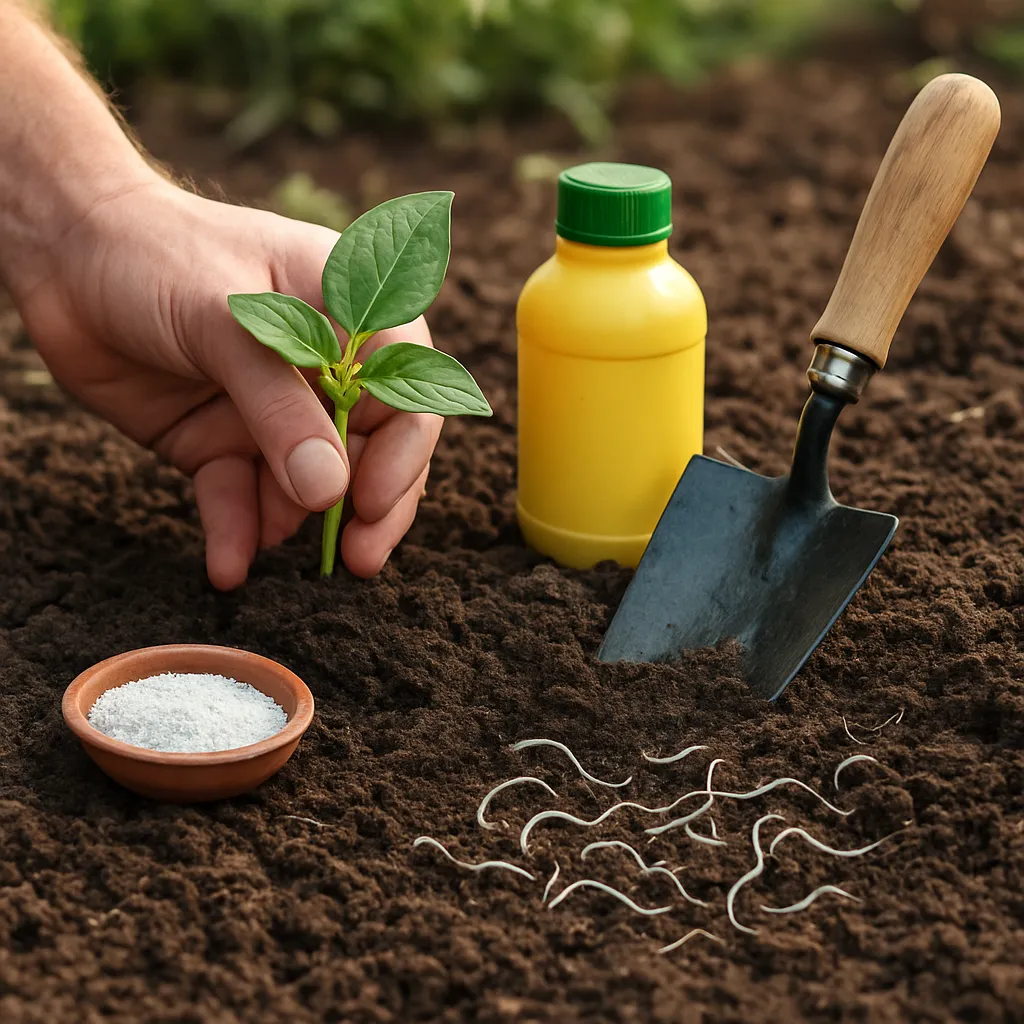
Soil nematodes are microscopic roundworms that can greatly impact plant health, root development, and overall crop yields. Effective control of these pests requires a blend of scientific insight, practical practices, and ongoing vigilance. This article explores multiple strategies—ranging from cultural adjustments to cutting-edge biological methods—aimed at minimizing nematode damage while promoting sustainable soil health and robust plant growth.
Understanding Soil Nematode Pests
Before implementing control measures, it is vital to recognize the diversity and behavior of nematodes in agricultural fields. Some nematodes feed on bacteria or fungi, contributing to nutrient cycling, while others are plant-parasitic and can cause wilting, stunting, and reduced yields.
Key Groups of Plant-Parasitic Nematodes
- Root-knot nematodes (Meloidogyne spp.): Induce gall formation on roots, impairing water and nutrient uptake.
- Lesion nematodes (Pratylenchus spp.): Create necrotic lesions that become entry points for secondary pathogens.
- Cyst nematodes (Heterodera and Globodera spp.): Form protective cysts around eggs, complicating eradication efforts.
- Stem and bud nematodes (Ditylenchus spp.): Attack above-ground plant parts, leading to distorted shoots and flowers.
Identifying the predominant species in your field guides the selection of targeted control strategies. Sampling soil and roots at different seasons improves the accuracy of population assessments.
Cultural and Mechanical Techniques
Adopting the right cultural practices can create an unfavorable environment for nematode reproduction and survival. By enhancing resilience in cropping systems, growers can reduce reliance on chemical treatments.
- Crop rotation with non-host or poor-host plants: Rotating with cereals, grasses, or brassicas interrupts nematode life cycles and depletes soil populations.
- Use of resistant or tolerant cultivars: Selecting varieties bred for nematode resistance limits root invasion and damage.
- Deep plowing and soil solarization: Exposing soil to high temperatures in summer months can significantly lower nematode counts, particularly in regions with intense solar radiation.
- Cover cropping with biofumigant species: Plants such as mustard, radish, or sorghum can release natural compounds that suppress nematodes when incorporated into the soil.
Isolation strips or barrier crops may also reduce the spread of nematodes between infested and clean zones. Always clean tools and machinery to prevent unintentional transport of contaminated soil.
Biological Controls and Beneficial Organisms
Leveraging the interactions within the soil food web offers eco-friendly approaches for nematode management. Beneficial organisms attack nematodes directly or enhance plant defenses.
Bacterial and Fungal Antagonists
- Paecilomyces lilacinus and Pseudomonas fluorescens: These microbes can parasitize nematode eggs or produce toxins that impair juvenile development.
- Mycorrhizal fungi: Form symbioses with roots, boosting nutrient uptake and inducing systemic resistance against root-invading nematodes.
- Trichoderma species: Known for their ability to degrade nematode walls and outcompete harmful fungi that often follow nematode damage.
Predatory Nematodes and Arthropods
- Certain predatory nematodes feed on root-knot juveniles in the soil, acting as natural biocontrol agents.
- Soil-dwelling mites and collembolans may consume nematode eggs and juveniles, reducing future infestations.
Integrating these organisms often requires preparation of inocula, timing applications to coincide with susceptible nematode stages, and maintaining favorable soil conditions (e.g., neutral pH, adequate moisture).
Chemical Treatments and Safety Considerations
Chemical nematicides can deliver rapid suppression but should be used judiciously within an integrated management framework to prevent environmental harm and resistance development.
- Fumigants (e.g., chloropicrin, metam sodium): Highly effective in enclosed environments such as greenhouses but subject to strict regulations due to toxicity.
- Non-fumigant nematicides (e.g., fluopyram, abamectin): Applied either as soil drenches or seed treatments, offering targeted activity with reduced off-site movement.
- Organic amendments with nematicidal properties: Incorporating neem cake, castor meal, or composted poultry litter can gradually suppress populations while building organic matter.
Employ proper personal protective equipment (PPE), follow label rates, and rotate modes of action to avoid the emergence of resistant nematode biotypes. Residue testing ensures that chemical levels remain below established safety thresholds.
Monitoring, Assessment, and Future Directions
Continuous monitoring and evaluation underpin successful long-term nematode control. A robust scouting program informs timely interventions and measures progress.
Sampling Protocols
- Collect composite soil cores from multiple locations within each field block to capture spatial variability.
- Sample at key growth stages—pre-planting, mid-season, and post-harvest—to track population trends.
- Use standardized extraction methods (e.g., Baermann funnels or centrifugal flotation) for reliable counts.
Data-Driven Decisions
- Establish threshold levels for different nematode species and crop sensitivity to determine when action is warranted.
- Maintain detailed records of nematode densities, control measures applied, and crop performance to identify successful tactics.
- Adopt precision agriculture tools—such as GPS-guided soil sampling and remote sensing—to optimize resource use and minimize unnecessary treatments.
Emerging technologies like RNA interference (RNAi) and CRISPR-based genetics hold promise for highly specific nematode suppression in the future. Meanwhile, strengthening farmer education and extension support will ensure widespread adoption of best practices.