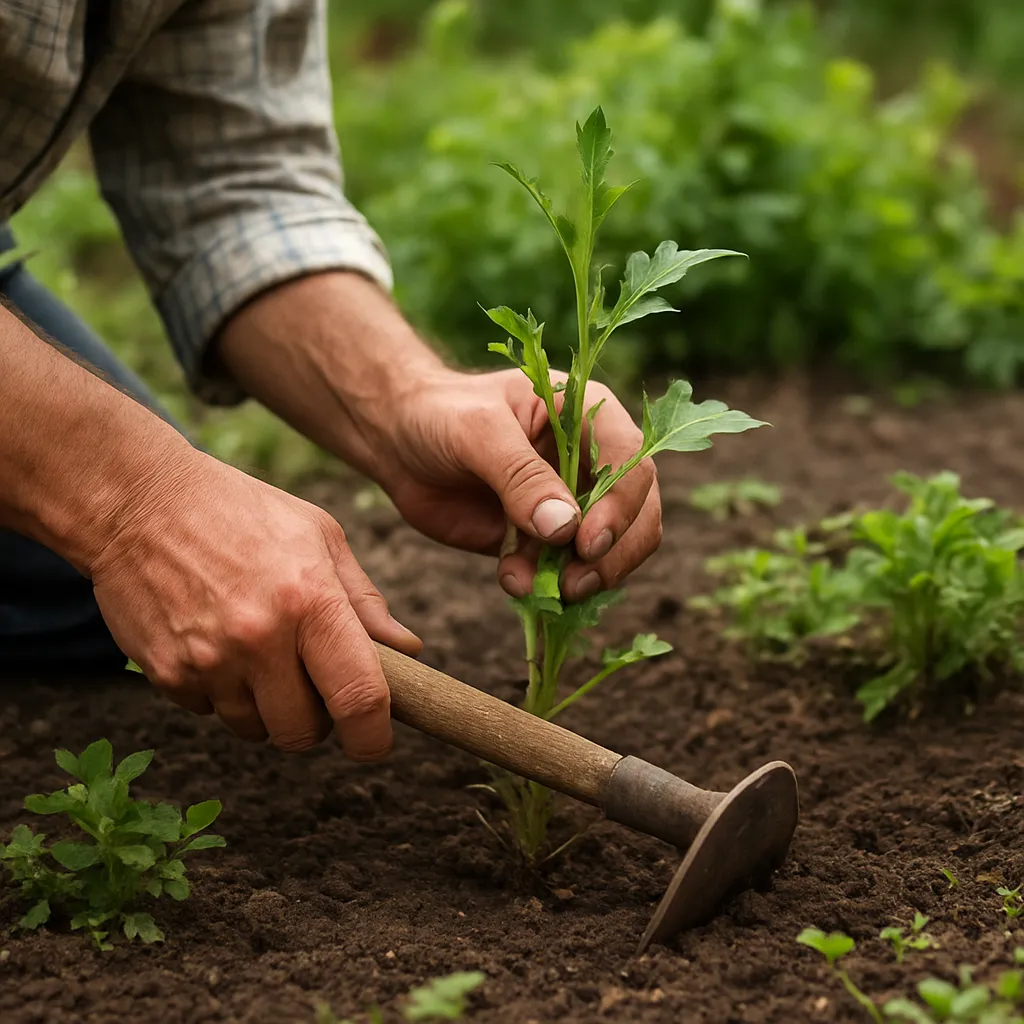
Managing unwanted plants in your fields and gardens is a constant challenge, especially when fast-spreading species threaten the health of your crops and the balance of your land. Natural methods of weed control offer sustainable, cost-effective solutions that maintain soil fertility, protect water quality, and support wildlife. By combining knowledge of plant ecology with effective cultivation strategies, you can keep your fields free from aggressive species while promoting a thriving agricultural ecosystem.
Identification and Understanding of Invasive Weeds
Successful control begins with accurate identification. Without knowing which species you’re dealing with, treatments may prove ineffective or even worsen the problem. Start by examining the leaf shape, flower characteristics, root structure, and growth pattern of the unwanted plants in your fields.
Key Identification Tips
- Collect specimens when the plant is in bloom to observe flowers and seed heads.
- Note whether the plant spreads via seeds, rhizomes, or stolons.
- Use field guides or mobile apps to compare traits with known invasive species.
Some common offenders include Japanese knotweed, Canada thistle, and purple loosestrife. Each exhibits rapid spread and robust root systems that outcompete desirable crops. Understanding life cycles and growth habits helps time interventions when plants are most vulnerable, such as during early growth or before seed set.
Prevention Strategies to Preserve Biodiversity
Preventing new infestations is more efficient than removing established patches. A healthy, dense cover of desirable plants reduces space and resources available to invaders. Adoption of diverse crop rotations, cover crops, and buffer strips can dramatically lower weed pressure.
Crop Rotation and Cover Cropping
- Rotate grains, legumes, and brassicas to interrupt weed life cycles.
- Plant winter cover crops like rye or clover to suppress early spring germination.
- Use deep-rooted species to improve soil structure and outgrow shallow-rooted weeds.
Buffer strips of native grasses and wildflowers along field edges act as a first line of defense, trapping weed seeds and providing habitat for beneficial insects. Proper irrigation and nutrient management also ensure that your chosen crops have the advantage in the competition for water, light, and soil nutrients.
Mechanical and Cultural Control Techniques
Physical removal and cultural practices are cornerstones of natural weed management. These methods are often labor-intensive but minimize chemical input and preserve soil biology.
Manual Removal
- Pull or dig out young plants before they develop a deep root network.
- Use specialized hoes and weeders to sever roots below the soil surface.
- Dispose of removed plants properly to prevent re-rooting or seed dispersal.
Manual removal is most effective on small infestations or along borders. Timing is crucial: removing plants before seed production prevents future generations. Always wear gloves and protective clothing when handling thorny or toxic species.
Mulch and Solarization
- Apply 5–10 centimeters of organic mulch (wood chips, straw) to block light and smother seedlings.
- Plastic or biodegradable films can retain solar heat, a process known as solarization, killing seeds and young roots.
- Refresh mulch annually to maintain effectiveness.
Solarization works best in hot, sunny periods. Clear the soil of debris, moisten it, and cover tightly with transparent plastic for 4–6 weeks. The trapped heat raises soil temperatures high enough to neutralize many weed seeds and soilborne pathogens.
Biological Control and Eco-Friendly Solutions
Introducing natural enemies of invasive plants can offer long-term suppression without harming non-target species. This method requires careful planning and monitoring to ensure safety and efficacy.
Beneficial Insects and Pathogens
- Release specific beetles or weevils known to feed on the target weed species.
- Use approved fungal pathogens that infect and weaken invasive plants.
- Monitor releases to verify that the biocontrol agent establishes and spreads.
Biological control agents have been successfully used against purple loosestrife and leafy spurge in many regions. Always work with agricultural extension services to access certified organisms and follow regulatory guidelines.
Companion Planting
- Intercrop tall, dense species (e.g., sunflowers, sorghum) to shade out weeds.
- Plant herbs with allelopathic effects (e.g., rosemary, marigold) that naturally inhibit weed germination.
- Use living ground covers like thyme or clover to fill bare spots.
Strategic companion planting not only suppresses weeds but also enhances pollination and deters pests, creating a multi-functional cropping system.
Organic Herbicides and Natural Treatments
When manual and biological methods fall short, certified organic herbicides can target persistent weeds without synthetic chemicals. Look for products containing vinegar, clove oil, or fatty acid salts. These substances break down quickly, minimizing environmental impact.
- Apply on sunny days when weeds are actively growing for maximum uptake.
- Spot-treat isolated patches to conserve beneficial plants.
- Combine with tillage or mulching to extend control and prevent reinfestation.
While natural herbicides may require repeated applications, they integrate smoothly into an overall management plan that prioritizes soil health and water safety.