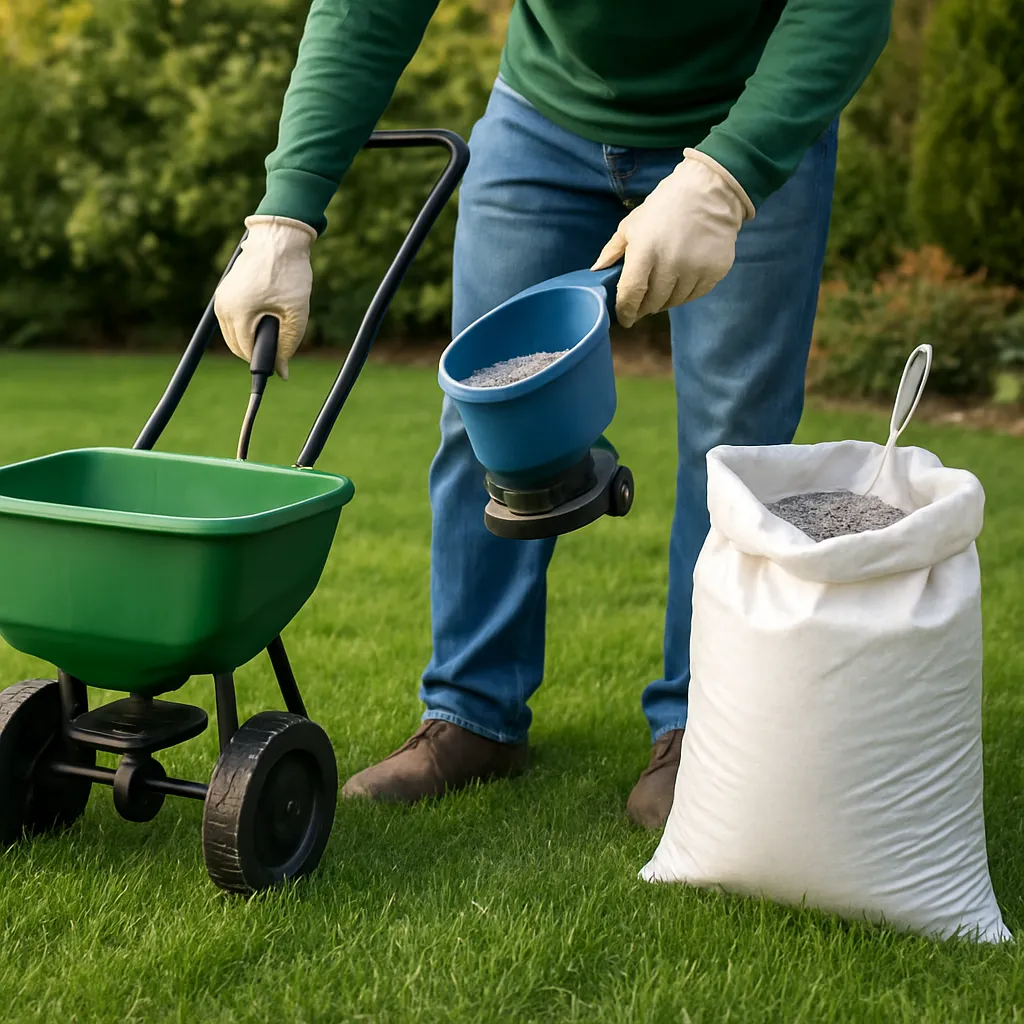
Selecting the most effective fertilizer application method can transform your crop yields and protect your land’s long-term health. With a vast array of **fertilizer** options and **application** techniques, it is essential to match the right approach to your soil type, crop needs, equipment availability, and environmental goals. This guide delves into the fundamentals of nutrient management, compares popular application methods, and offers strategic advice for optimizing **efficiency**, reducing waste, and supporting sustainable **agriculture**.
Understanding Soil Properties and Crop Nutrient Requirements
The foundation of any successful fertilization program lies in thoroughly assessing your soil and identifying crop-specific demands. Soil characteristics such as texture, structure, pH, organic matter content, and microbial activity all influence nutrient availability. Conducting a comprehensive soil test every 2–3 years provides insights into major macronutrients (nitrogen, phosphorus, potassium) and vital micronutrients (zinc, iron, manganese).
Soil Texture and Structure
- Clay soils hold nutrients well but may suffer compaction and waterlogging.
- Sandy soils drain quickly but require more frequent nutrient applications due to leaching.
- Loam soils offer a balanced mix of water retention and drainage, ideal for many crops.
Soil pH and Nutrient Availability
Soil pH significantly affects the **availability** of nutrients. Most crops thrive in a pH range of 6.0–7.5. Outside this zone, certain elements become locked up or toxic. Regular liming can correct acidity, while sulfur applications lower high pH soils.
Crop Nutrient Uptake Patterns
Different crops have unique nutrient uptake curves. For example, cereals often demand high nitrogen during tillering and stem elongation, while legumes fix their own nitrogen but require phosphorus and potassium for pod development. Aligning fertilizer timing with critical growth stages ensures optimal **root uptake** and biomass production.
Comparing Fertilizer Application Methods
There are several widely used techniques for delivering nutrients to the field. Each method offers distinct benefits and limitations depending on farm size, labor resources, precision requirements, and environmental considerations.
Broadcast Application
- Method: Spreading fertilizer evenly across the soil surface.
- Pros: Fast coverage of large areas; suitable for small granular fertilizers.
- Cons: Increased risk of volatilization and runoff; less precise placement.
Banding
- Method: Placing fertilizer in narrow bands near the seed row or below the surface.
- Pros: Improved nutrient concentration around the root zone; reduced losses compared to broadcast.
- Cons: Requires specialized equipment; may cause seed burn if rates are too high.
Foliar Spraying
- Method: Applying liquid fertilizer directly onto leaf surfaces.
- Pros: Rapid nutrient uptake; ideal for micronutrient correction or stress relief.
- Cons: Limited to small nutrient doses; risk of leaf burn in high temperatures.
Fertigation
- Method: Injecting soluble fertilizers into irrigation water.
- Pros: Precise nutrient delivery; integrates seamlessly with drip and sprinkler systems.
- Cons: Requires irrigation infrastructure and careful monitoring to prevent clogging.
Topdressing and Side-Dressing
- Method: Applying fertilizer on the soil surface slightly away from the plant rows during growth.
- Pros: Timely nutrient supply during critical growth phases; flexible application timing.
- Cons: Potential losses if heavy rain follows; extra passes across the field increase costs.
Criteria for Selecting the Right Method
Choosing the most suitable application technique hinges on multiple factors, including crop type, field conditions, budget constraints, and labor availability. Consider the following criteria:
Crop Sensitivity and Growth Stage
Crops with shallow root systems, such as lettuce or spinach, benefit from **foliar** feeds or light banding to avoid root damage. In contrast, deep-rooted field corn can take advantage of subsurface band placement to access nutrients over a larger soil volume.
Environmental Impact and Regulations
Regions with strict nutrient runoff regulations may favor precision methods like banding or fertigation to minimize contaminant leaching. Employing buffer strips and cover crops can further reduce off-site nutrient losses and protect water quality.
Equipment Availability and Labor Resources
Small-scale farms with limited machinery may rely on manual or tractor-mounted spreaders for broadcast applications. Larger operations often invest in GPS-guided **precision** planters and variable-rate applicators that tailor inputs across field zones based on yield maps and soil test data.
Cost-Benefit Analysis
While advanced technology solutions can enhance **efficiency** and lower per-acre input costs, their capital expenses may be prohibitive for some producers. Conducting a cost-benefit analysis that includes equipment depreciation, labor, and potential yield gains will reveal the payback period and overall return on investment.
Best Practices for Maximizing Efficiency and Sustainability
Optimizing your fertilizer program goes beyond selecting the right application method. Incorporating data-driven strategies and adopting sustainable practices ensures long-term soil fertility and ecosystem health.
Variable-Rate Technology (VRT)
Using VRT tools allows farmers to adjust fertilizer rates in real time based on soil fertility maps or in-field sensors. This targeted approach reduces overapplication in fertile zones and ensures adequate supply in deficient areas.
Tissue Testing and Nutrient Monitoring
Routine plant tissue analysis provides direct feedback on crop nutritional status. By correlating leaf or petiole nutrient concentrations with growth stages, you can fine-tune applications before yield is affected.
Integrating Organic Amendments
Combining synthetic fertilizers with organic materials like compost or manure can boost soil organic matter, improve structure, and enhance microbial activity. Blended programs often deliver more sustained **nutrient** release and increase cation exchange capacity.
Cover Cropping and Crop Rotation
Growing cover crops such as clover or rye in fallow periods prevents soil erosion, scavenges residual nitrogen, and suppresses weeds. Rotating cereals with legumes reduces the need for synthetic nitrogen and interrupts pest and disease cycles.
Record Keeping and Continuous Improvement
- Maintain detailed logs of application dates, rates, and methods.
- Track weather events, soil moisture, and crop performance metrics.
- Analyze yield data annually to refine nutrient management strategies.
Investing time and resources into proper method selection and continuous monitoring will lead to healthier soils, higher yields, and a more resilient agricultural system.