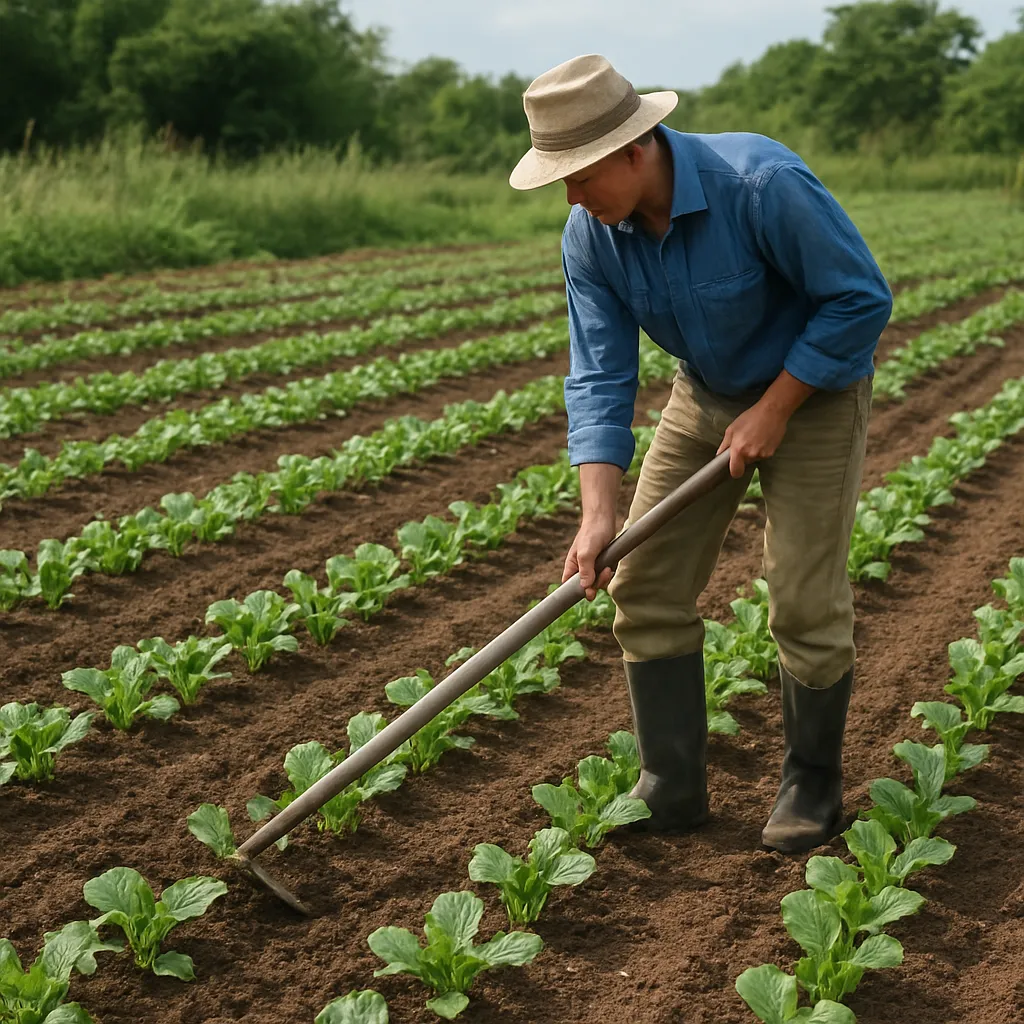
Growing high-yield crops with minimal labor requires a combination of careful planning, smart resource management, and targeted use of technology. This guide explores practical strategies to boost efficiency and sustainability on small and large-scale farms alike. From field preparation to automated monitoring, you’ll discover labor-saving methods that preserve soil health and enhance overall productivity.
Field Preparation for Maximum Impact
Proper field preparation is the foundation of any successful operation. By reducing physical labor early on, subsequent tasks become more manageable and less time-consuming.
Site Selection and Layout
- Choose a location with natural drainage and uniform sun exposure to minimize erosion control work and optimize water distribution.
- Design planting beds and paths to allow machinery or manual equipment easy access, reducing unnecessary passes and wasted effort.
- Incorporate permanent raised beds or contour farming to enhance water retention and reduce tillage requirements.
No-Till and Reduced-Till Practices
- No-till methods preserve soil structure and maintain organic matter, cutting down on labor-intensive plowing.
- Use specialized equipment such as coulters or strip-till attachments to open a narrow seed zone, leaving the rest of the field undisturbed.
- Integrate cover crop residue as a mulch layer, further suppressing weeds and retaining moisture.
Amending Soils Efficiently
- Conduct precise soil tests to determine nutrient deficiencies, avoiding blanket applications of fertilizers.
- Apply compost or organic matter via spreaders that cover large areas quickly, promoting nutrient uptake and soil health.
- Consider pelletized lime or custom NPK blends delivered through pneumatic systems that minimize manual handling.
Water and Nutrient Management Strategies
Effective water and nutrient delivery are critical for growth while reducing manual monitoring and labor costs. Implementing targeted systems can achieve optimal crop performance with minimal oversight.
Drip and Micro-Irrigation Systems
- Drip lines deliver water directly to the root zone, reducing evaporation losses and cutting labor spent on overhead watering.
- Automate flow control with timers or soil moisture sensors, ensuring plants receive consistent hydration without daily checks.
- Combine fertigation (injecting nutrients into irrigation lines) to streamline fertilization and maintain balanced feeding schedules.
Automated Soil Moisture Monitoring
- Deploy wireless sensors at various depths to track real-time moisture levels, sending alerts when irrigation is needed.
- Integrate data into farm management software for predictive scheduling, reducing unnecessary field visits.
- Use solar-powered data loggers to keep systems running autonomously over extended periods.
Precision Nutrient Delivery
- Apply variable-rate technology (VRT) on spreaders and sprayers to match nutrient applications with soil test maps.
- Minimize overlap and waste by calibrating equipment based on field GPS boundaries.
- Monitor leaf tissue or sap analysis mid-season for corrective injections, avoiding blanket treatments that increase labor.
Low-Labor Crop Management Techniques
Choosing the right cropping systems and ground covers can dramatically lower weed pressure and maintenance time, freeing up labor for other tasks.
Crop Rotation and Intercropping
- Crop rotation breaks pest and disease cycles, reducing the need for manual scouting and chemical interventions.
- Intercropping complementary species (e.g., legumes with cereals) fixes nitrogen and suppresses weeds naturally.
- Plan rotations with cover crops that can be terminated mechanically or with minimal herbicide use, saving plowing time.
Mulching and Cover Crops
- Mulching with straw, wood chips, or biodegradable films prevents weed emergence and conserves moisture.
- Cover crops like clover, rye, or vetch add organic matter, reduce erosion, and can be incorporated via roller-crimper machines.
- Mechanical roller-crimpers flatten cover crops into a continuous mulch mat, greatly reducing manual weeding.
Pest and Weed Control with Minimal Labor
- Implement integrated pest management (IPM) by releasing beneficial insects and using pheromone traps instead of constant pesticide spraying.
- Use flame weeding or targeted thermal weeding tools to eliminate young weeds quickly without herbicide applications.
- Adopt weed-sensing sprayers that detect green tissue and only spray where needed, cutting back on both labor and chemical costs.
Leveraging Technology and Mechanization
Advancements in farm machinery and digital tools allow producers to do more with fewer hands on deck, transforming how fields are managed.
Automation and Robotics
- Soil-engaging robots can plant seeds, apply fertilizer, and even thin seedlings autonomously.
- Robotic weeders use machine vision to distinguish between crops and weeds, physically removing unwanted plants.
- Combine harvester automation reduces operator fatigue and allows precise harvesting of multiple crop types.
Drones and Aerial Monitoring
- Drones equipped with multispectral cameras survey large areas quickly, identifying stressed plants and nutrient deficiencies.
- Data-driven prescriptions generated from aerial surveys inform targeted applications, avoiding blanket treatments.
- Regular overflights can monitor crop development stages, minimizing manual field scouting visits.
Precision Agriculture and Data Integration
- GPS-guided tractors and implements ensure exact seed placement, reducing overlap and seed waste.
- Farm management software consolidates weather forecasts, sensor data, and equipment schedules into one dashboard.
- Cloud-based platforms enable remote monitoring of field operations, empowering growers to adjust plans from anywhere.
Adopting these strategies can revolutionize the way crops are grown, significantly cutting down on manual labor requirements while maintaining or even boosting output. By focusing on automation, precise resource management, and labor-saving cultural practices, modern farms can stay competitive and resilient in an ever-evolving agricultural landscape.