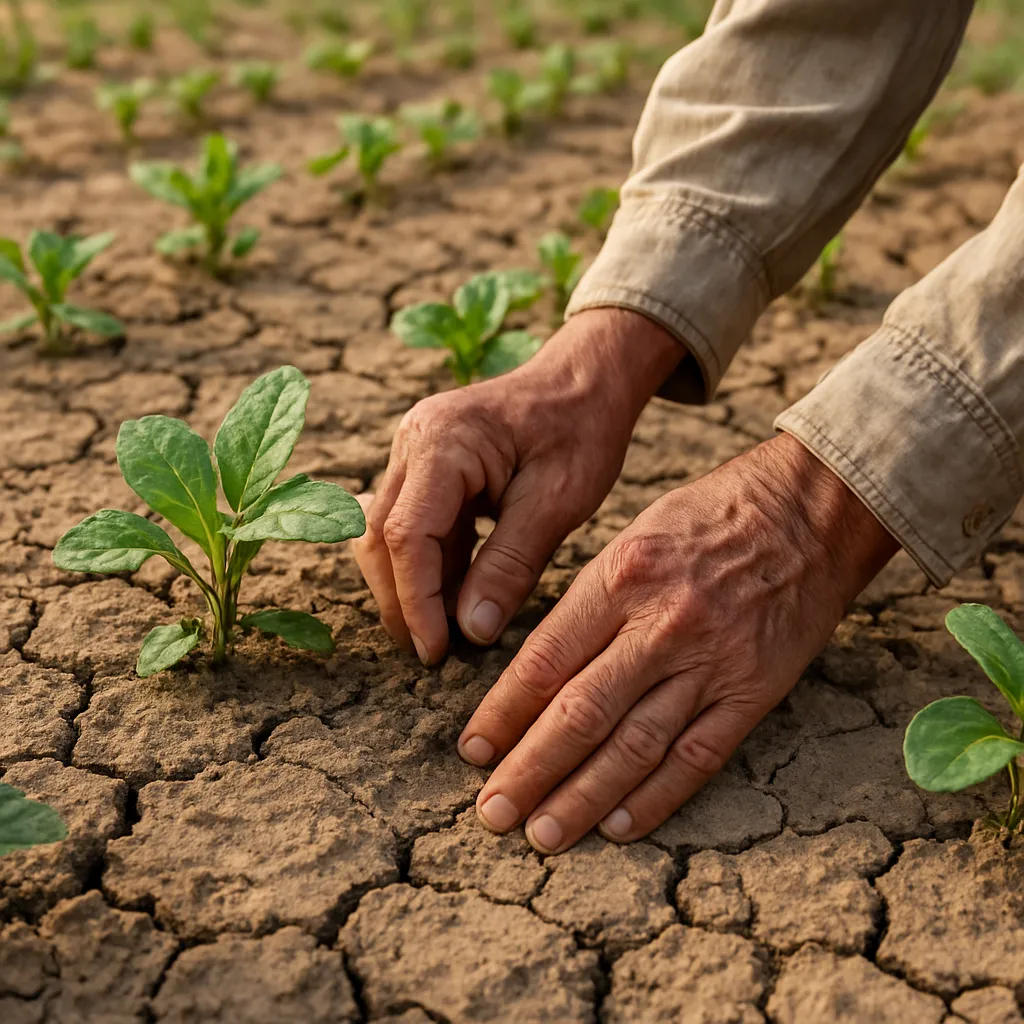
Developing a thriving farm in regions prone to drought requires careful planning, smart crop selection, and strategic resource management. By focusing on methods that boost water use efficiency and enhance soil resilience, growers can ensure productive harvests even under challenging climatic conditions.
Soil Preparation and Enhancement
Understanding Soil Composition
Before planting, analyze soil texture, structure, and nutrient levels. Sandy soils may drain too quickly, while clay soils can hold excessive water but restrict root penetration. A balanced loam provides ideal conditions for both root growth and water availability. Regular soil testing helps monitor pH, nutrient content, and organic carbon levels, guiding tailored amendments.
Improving soil health with organic matter
Incorporating compost, aged manure, or other organic materials enriches soil biology and improves aggregation. Enhanced microbial activity breaks down nutrients into plant-available forms and increases soil moisture retention. Aim for a minimum of 3–5% organic content in the topsoil layer to promote resilience during extended dry spells.
Techniques for water retention
Employing strategies that conserve each drop of water is crucial:
- Raised beds with gentle berms to channel runoff into planting rows.
- Contour farming or terraces on slopes to slow water movement and increase infiltration.
- Deep ripping or subsoiling to break compacted layers, allowing better percolation and encouraging deeper root penetration.
Choosing the Right Crops and Varieties
Selecting drought-resistant Species
Crops bred for arid environments often exhibit traits such as thick cuticles, reduced leaf area, or specialized root systems. Examples include sorghum, millet, cowpeas, and certain varieties of beans. Research local agricultural extensions for cultivars with proven performance in low-rainfall zones.
Benefits of Indigenous Plants
Planting native or well-adapted crops leverages centuries of natural selection. These species are genetically tuned to thrive under local patterns of temperature fluctuation, sunlight intensity, and sporadic rainfall. They often require fewer external inputs and show greater survival rates during dry seasons.
Crop rotation and cover crops
Rotating cereals with legumes or deep-rooted plants disrupts pest cycles and enhances nitrogen fixation. Cover crops such as clover, vetch, or buckwheat protect bare soil from erosion, suppress weeds, and contribute organic residue when turned under. This practice fosters better structure and maintains fertility without excessive irrigation.
Efficient irrigation and Water Management
Drip Irrigation and Micro-sprinklers
Drip systems deliver water directly to the root zone, minimizing evaporation losses. Emitters spaced according to plant stalk or row spacing ensure uniform moisture distribution. Micro-sprinklers can be adjusted to wet broader areas, suitable for crops with shallower root networks.
Rainwater Harvesting
Capturing roof runoff in barrels or larger cisterns provides an additional water source during dry spells. Integrate simple filtration to prevent debris buildup. Gravity-fed distribution reduces energy costs and ensures steady supply even if power becomes unavailable.
Scheduling and Sensor Use
Employ soil moisture probes or tensiometers to gauge real-time water needs. Automating irrigation based on these readings avoids under- or over-watering. Time watering events for early morning or late evening to reduce evaporative losses under intense midday sun.
Enhancing Root Systems and Plant Health
Promoting Deep root depth
Encourage roots to explore deeper soil layers where moisture lingers longer. Reduced tillage systems limit soil disturbance, allowing roots to penetrate without hindrance. In-row subsoiling zones can break compacted layers and guide roots downward.
Implementing mulching Practices
A thick layer of organic mulch, such as straw or wood chips, covers the soil surface, reducing surface evaporation by over 70%. It also moderates soil temperature extremes and suppresses competing weeds. Replace or replenish mulch annually to maintain its protective benefits.
Fertilization and Nutrient Uptake
Balanced feeding encourages vigorous growth and greater drought tolerance. Slow-release fertilizers or split applications reduce salt buildup and prevent nutrient leaching. Foliar sprays can deliver micronutrients when root absorption is limited by dry conditions.
Pest, Disease, and Stress Management
Integrated Pest Management (IPM)
Monitoring pest populations and introducing beneficial insects limits damage without resorting to heavy chemical use. Healthy plants with strong root systems and adequate nutrition fend off many common pests more effectively.
Stress Mitigation Techniques
Applying plant biostimulants such as seaweed extracts or microbial inoculants enhances tolerance to heat and water stress. These products often boost antioxidant levels within plant tissues, improving survival during peak drought periods.
Use of Shade and Windbreaks
Screens or strategically planted trees can reduce evapotranspiration by lowering direct sun exposure and wind speed. Maintaining soil moisture under these microclimates preserves plant vigor during prolonged dry hotspots.
Continuous Monitoring and Adaptation
Data-Driven Decisions
Keep detailed records of rainfall, irrigation volumes, crop performance, and pest incidents. Correlating these data sets reveals patterns that inform future planning, helping refine planting dates, variety choices, and resource allocation.
Community Knowledge Sharing
Collaborating with local farmer groups, extension agents, and agricultural research centers provides access to trials, demonstration plots, and emerging best practices. Sharing successes and challenges accelerates collective learning.
Adjusting to Climatic Variability
Remain flexible in crop calendars. If forecasts predict prolonged drought, shift planting windows, reduce planting density, or adopt early-maturing cultivars. Proactive adjustments minimize risk and preserve investment.