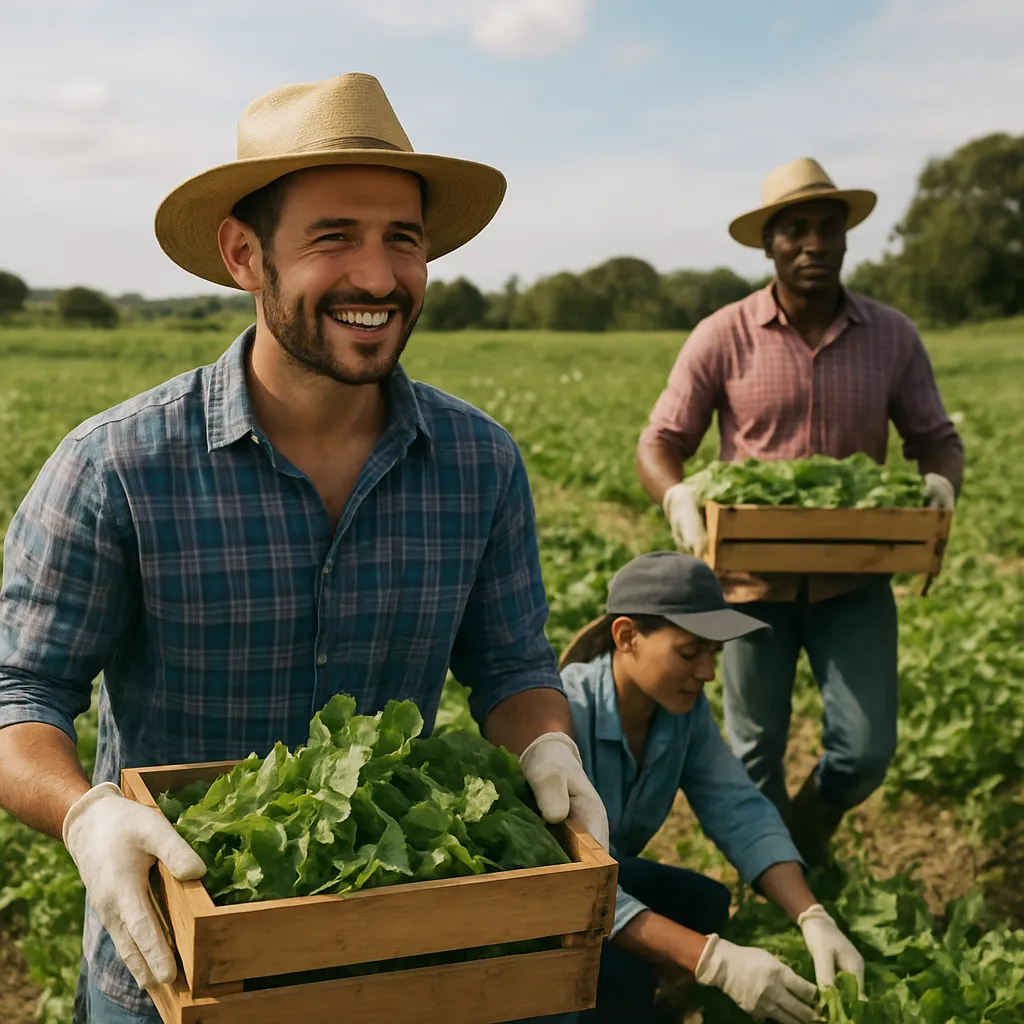
Keeping farm workers motivated and productive is a crucial factor in the success of any agricultural enterprise. A well-engaged workforce leads to higher yields, improved quality, and a harmonious environment where everyone feels valued. By understanding the core drivers behind employee satisfaction, implementing effective incentives, and creating a supportive workplace culture, farm owners and managers can foster long-term commitment and outstanding performance.
Understanding Farm Worker Needs
To truly motivate farm workers, it’s essential to recognize their primary needs and expectations. When these are addressed, employees feel respected and more willing to invest their energy in daily tasks.
Identifying Key Motivators
- Fair Compensation: Ensuring wages are competitive within the region and aligned with living costs.
- Recognition: Acknowledging individual contributions with praise, certificates, or small rewards.
- Opportunities for growth: Providing clear pathways for skill development and promotion.
- Work-life balance: Offering reasonable schedules and paid time off during peak seasons.
- Safe working conditions: Maintaining equipment and facilities to minimize hazards.
Conducting Regular Feedback Sessions
Open and honest communication is the backbone of employee-centered management. Scheduling one-on-one meetings every month or quarter allows workers to voice concerns, suggest improvements, and feel heard.
- Set achievable goals together, then review progress.
- Encourage workers to share ideas on improving processes.
- Offer constructive feedback and ask for their perspective.
Implementing Effective Incentive Programs
Incentives can significantly boost motivation when designed to meet employees’ desires. A mixture of monetary and non-monetary rewards often works best.
Monetary Incentives
- Performance bonuses based on yield targets or quality metrics.
- Overtime pay for peak harvest periods.
- Referral bonuses to encourage word-of-mouth recruitment.
Non-Monetary Incentives
- Training workshops: Arrange courses on advanced farming techniques or equipment operation.
- Public recognition: Highlight exceptional performance during team meetings.
- Flexible schedules: Allow shift swaps or compressed workweeks when feasible.
- Team-building events: Organize potlucks, field days, or local farm tours.
Rewarding Teamwork
Collaboration drives productivity. By rewarding the whole crew for collective achievements, you promote a sense of shared responsibility and engagement. Consider a group bonus or a special team outing when milestones are reached.
- Set team-based targets for planting or harvesting areas.
- Celebrate with a monthly lunch or social gathering.
- Display a “Wall of Fame” showcasing top-performing teams.
Cultivating a Supportive Working Environment
A positive workplace culture nurtures employee loyalty and reduces turnover. Attention to physical, emotional, and social well-being helps workers stay focused and motivated.
Ensuring Safety and Comfort
- Conduct regular safety drills and equipment inspections.
- Provide protective gear and ergonomic tools.
- Maintain clean break areas with shade, water, and seating.
Fostering Leadership and Trust
Strong leadership sets the tone for daily operations. Supervisors should be approachable, knowledgeable, and fair in decision-making. Building trust involves:
- Delegating meaningful responsibilities.
- Following through on promises.
- Being transparent about company goals and challenges.
Encouraging Personal Development
Employees appreciate employers who invest in their future. Offering language classes, budgeting workshops, or mentorship programs can boost morale and loyalty. When workers see a path for personal and professional growth, they’re more likely to stay long term.
- Partner with local technical schools for certification programs.
- Bring in guest speakers on health, wellness, or financial planning.
- Set up a mentorship system pairing veteran workers with new hires.
Promoting Work-Life Balance
Striking a balance between farm duties and personal life is vital. Even simple measures can make a difference:
- Offer occasional half-days or well-timed breaks during peak heat.
- Encourage workers to take paid time off without stigma.
- Implement rotating schedules to prevent burnout.
Leveraging Technology for Enhanced Productivity
Modernizing farm operations not only improves yields but also shows employees that their workplace values innovation. This can be a powerful motivator.
Introducing User-Friendly Tools
- Mobile apps for task assignments, allowing real-time updates.
- GPS-guided tractors to reduce manual workload.
- Automated irrigation systems to streamline daily duties.
Training on New Equipment
Whenever new tools or machinery are introduced, arrange comprehensive training sessions. This reduces frustration and instills confidence. Workers feel empowered when they master advanced equipment.
- Provide step-by-step manuals and quick reference guides.
- Designate “power users” who can mentor peers.
- Offer refresher courses before each planting or harvesting season.
Tracking and Celebrating Progress
Utilize simple dashboards or whiteboards to display daily targets versus achievements. This transparency encourages healthy competition and lets everyone track how their efforts contribute to broader farm goals.
- Use color-coded charts for different fields or tasks.
- Highlight milestones reached ahead of schedule.
- Share success stories in morning briefings.