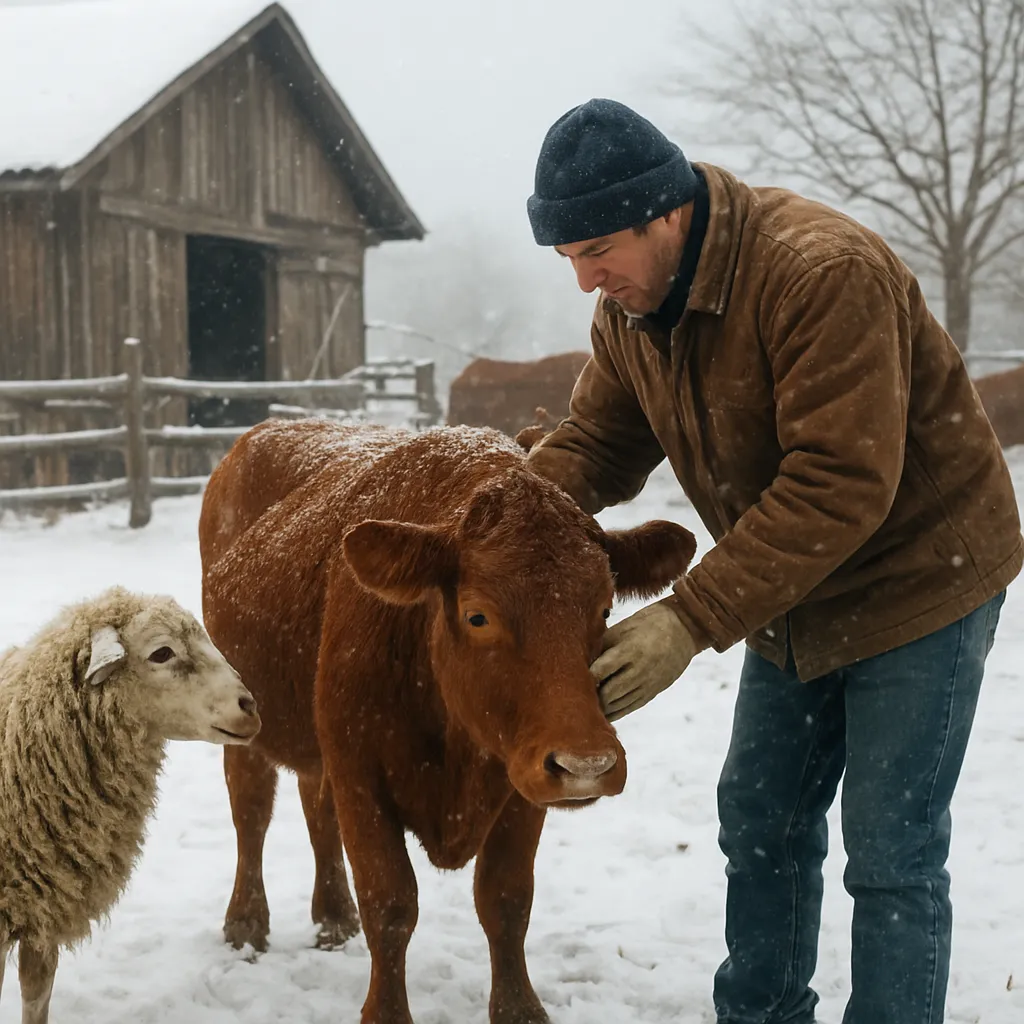
Ensuring the well-being of livestock during the cold months is a vital aspect of successful farming. As winter approaches, challenges such as dropping temperatures, limited forage availability, and increased disease risk can compromise animal health. By adopting proven strategies in shelter design, nutrition, and disease prevention, farmers can create a robust system that supports strong, productive animals even in harsh conditions.
Environment and Shelter Management
Providing a secure and comfortable environment is the first line of defense against winter stress. Proper shelter not only protects animals from wind and precipitation but also helps conserve their body heat.
Insulation and Draft Control
- Choose materials with high insulation properties such as straw bales, foam boards, or recycled wool blankets.
- Seal gaps around doors, windows, and wall joints to prevent cold drafts that can lower barn temperature by several degrees.
- Install adjustable shutters or removable panels for flexibility, allowing you to tighten or loosen insulation as conditions change.
Ventilation Balance
While keeping drafts out is essential, adequate ventilation prevents moisture buildup, ammonia accumulation, and respiratory problems.
- Use ridge vents and sidewall openings to facilitate natural air exchange without directing cold winds at animals.
- Monitor humidity levels; aim for 50–70% relative humidity to reduce condensation on surfaces.
- Introduce mechanical fans with variable speed settings for controlled airflow, especially in larger barns.
Bedding and Comfort
Deep, dry bedding acts as both insulation and cushioning, enhancing animal comfort.
- Provide at least 4–6 inches of fresh straw, wood shavings, or rice hulls, topping up regularly to maintain dryness.
- Rotate bedding areas and remove soiled material daily to minimize pathogen build-up.
- Consider heated pads or pads with thermal coating in farrowing pens or newborn calf pens for added warmth.
Nutrition and Feeding Strategies
Winter often means less pasture and more reliance on stored feeds. Adjusting rations and feeding routines can help animals maintain body condition and immunity.
High-Energy Diets
Cold weather increases an animal’s maintenance energy requirement by 10–20%.
- Incorporate energy-dense ingredients such as beet pulp, cottonseed, or protected fats to boost daily caloric intake.
- For ruminants, ensure sufficient long-fiber forages to promote rumen function and heat generation via fermentation.
- Monitor body condition scores regularly and adjust concentrate levels to avoid under- or over-conditioning.
Protein and Mineral Supplementation
Maintaining immune competence and hoof health depends on adequate protein and trace minerals.
- Provide high-quality protein sources such as soybean meal, canola meal, or alfalfa pellets to support tissue repair.
- Include a balanced mineral premix rich in selenium, zinc, copper, and manganese to strengthen hooves and bolster immunity.
- Offer free-choice access to a mineral block or loose formula to allow self-regulation of intake.
Feeding Frequency and Accessibility
Frequent, smaller meals help maintain stable blood sugar levels and internal heat production.
- Divide daily rations into two or three feedings, especially for pigs and dairy cows.
- Ensure feed bunks and waterers are easily reachable by animals still wearing heavy coats or standing on uneven surfaces.
- For pastured animals, place supplemental feed near windbreaks to reduce stress during movement.
Water and Hydration
Access to fresh, unfrozen water is often overlooked but crucial for digestion, nutrient absorption, and overall hydration.
Preventing Ice Formation
- Install heated waterers or de-icers in troughs to maintain temperatures above freezing.
- Use insulated covers or trough heaters to wrap exposed piping and reduce heat loss.
- Check water systems multiple times daily during cold snaps to refill and ensure continuous flow.
Water Quality Monitoring
Cold weather can concentrate dissolved solids, affecting palatability and intake.
- Test water for total dissolved solids (TDS) regularly; ideal TDS levels are below 2,000 ppm.
- Flush stagnant lines and clean troughs weekly to prevent algae or bacterial growth.
- Consider a mild warm-water flush to dislodge sediment before animals return to drink.
Health Monitoring and Disease Prevention
During winter, animals are more susceptible to respiratory issues and other stress-related conditions. A proactive health program reduces the impact of cold stress and disease outbreaks.
Regular Health Checks
- Perform daily visual assessments for signs of lethargy, disinterest in feed, or labored breathing.
- Record body temperatures and weights weekly to detect early deviations from normal ranges.
- Inspect hooves and legs for frostbite, especially in young or thin-skinned species like goats and lambs.
Vaccination and Deworming Schedules
Winter often coincides with seasonal vaccination programs. Ensure all animals are up-to-date.
- Administer vaccination boosters for clostridial diseases and respiratory pathogens before the first freeze.
- Implement a strategic deworming protocol based on fecal egg counts, focusing on late fall treatment to reduce spring burden.
- Keep accurate health records to track treatments, reactions, and performance metrics.
Biosecurity Measures
- Limit facility access to essential personnel and enforce disinfectant footbaths at entry points.
- Quarantine new or returning animals for a minimum of two weeks to monitor for subclinical infections.
- Clean and disinfect shared equipment such as feeders, water buckets, and grooming tools between uses.
Stress Reduction and Behavioral Considerations
Stress from cold, confinement, and social dynamics can trigger immune suppression and aggression.
Environmental Enrichment
- Provide scratching posts, toys, or hanging hay nets to divert attention and reduce boredom in pigs and goats.
- Ensure adequate space per animal to minimize competition and territorial disputes.
- Play soothing background music or white noise to mask sudden sounds that may startle livestock.
Social Grouping Strategies
- House compatible age and size groups together to reduce bullying of smaller or weaker individuals.
- Introduce new animals gradually and allow visual contact before full integration to reduce hierarchy stress.
- Monitor closely for aggressive behaviors such as head-butting, biting, or mounting, and separate if necessary.
Record Keeping and Continuous Improvement
Maintaining detailed records of feed consumption, health events, and environmental conditions helps refine winter management year after year.
Data Collection
- Use spreadsheets or farm management software to log daily feed and water usage.
- Record temperature and humidity readings within shelters to correlate with animal performance.
- Track veterinary visits, medication usage, and vaccine responses for each individual or group.
Review and Adaptation
At the end of each winter season, conduct a comprehensive review:
- Analyze weight gain/loss trends, milk production data, and mortality rates.
- Identify bottlenecks such as inadequate shelter areas or feed shortages during peak cold periods.
- Adjust budgets, infrastructure plans, and protocols to address shortcomings before the next winter.