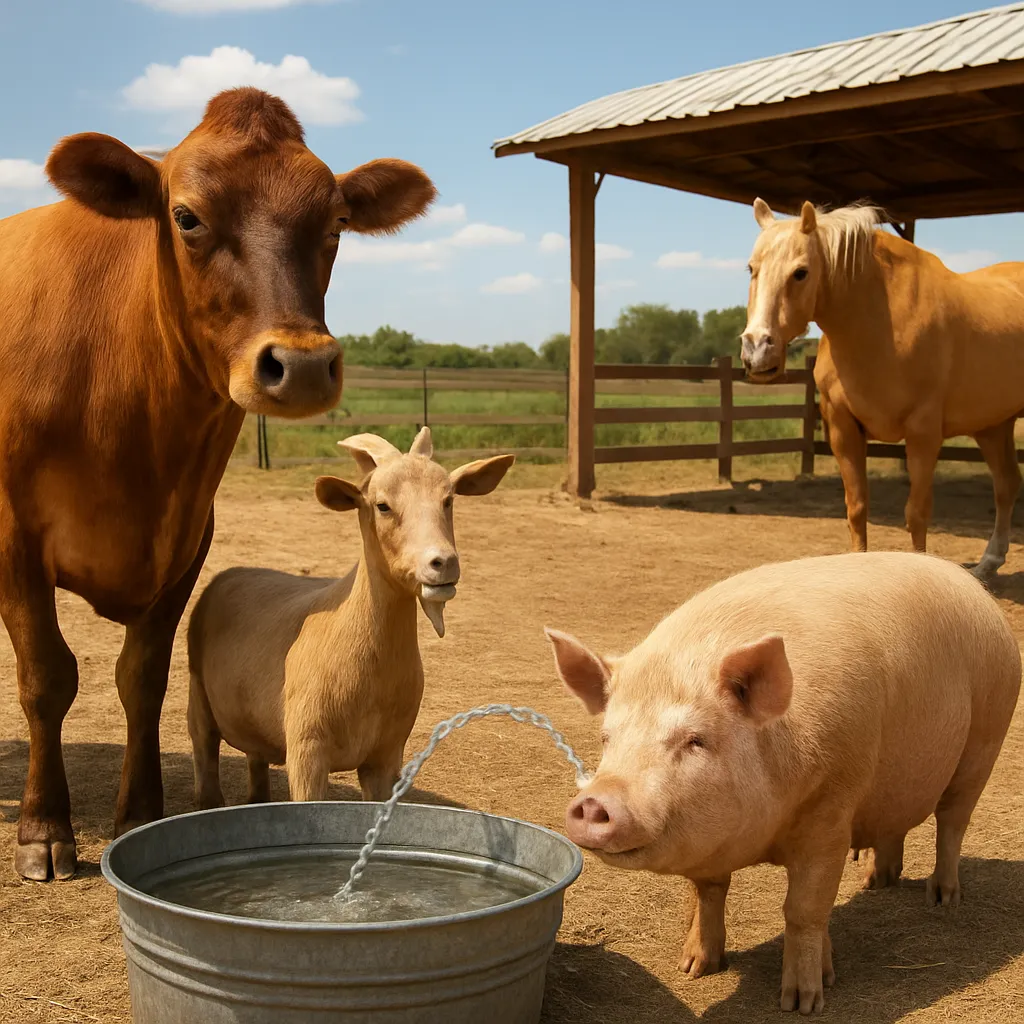
Hot weather can pose significant challenges for livestock, impacting their health, productivity, and overall well-being. Implementing effective cooling strategies not only prevents heat < strong>stress but also improves feed conversion and reproductive performance. Below are practical approaches to ensure your farm animals remain comfortable and productive during sweltering conditions.
Shade and Ventilation Solutions
An adequate combination of natural and man-made shade is essential to reduce direct solar radiation. By providing cool zones and enhancing air circulation, you can maintain a stable thermal environment.
Constructing Effective Shade
- Planting trees such as poplars, willows, or hybrid maples creates a living canopy that offers long-term protection. These fast-growing species cast broad shadows and can be strategically placed downwind of prevailing hot breezes.
- Installing shade cloth with 50–70% light blockage over holding pens reduces ambient temperature by up to 10°F. Use frames made from galvanized steel or treated wood for durability.
- Building roofed shelters near feeding and watering areas encourages animals to stay in cooler spots during peak heat hours.
Enhancing Airflow
Good ventilation promotes evaporation of moisture from skin and respiratory tracts, aiding in body temperature regulation.
- Cross-ventilation: Align barn openings on opposite walls to create a constant breeze through animal housing.
- Exhaust fans: Install high-capacity fans (2,000–5,000 CFM) at lofted heights to draw hot air upward and out, while drawing cooler air from lower inlets.
- Air ducts: Use flexible ducts or perforated ventilation tubing above animal pens to distribute air uniformly.
Water and Hydration Strategies
Water is the cornerstone of animal cooling. Heat increases water requirements dramatically, so providing easy access to clean, cool water is critical for maintaining performance and preventing dehydration.
Optimizing Water Delivery
- Ensure at least one watering point per 10 head of cattle, or one trough per 20 poultry cages, to avoid competition and spillage.
- Use insulated pipes or bury water lines underground to keep water temperature below 75°F, encouraging higher hydration intake.
- Float-valve troughs maintain a constant water level, reducing stress and making sure fresh water is always available.
Supplementing with Electrolytes
During heat waves, animals lose critical minerals and salts through sweating and panting. Replenishing electrolytes supports muscle function and hydration status.
- Mix balanced electrolyte solutions in drinking water at manufacturer-recommended concentrations during extreme heat events.
- Feed mineral blocks or loose salts enriched with sodium, potassium, magnesium, and chloride near water sources.
Nutritional and Behavioral Adjustments
Heat affects nutrition by reducing feed intake. Adjusting feeding schedules and ration composition can help maintain energy intake and digestive health.
Feeding Schedule Management
- Offer the bulk of the ration during cooler hours—early morning and late evening—to encourage consumption.
- Split feeding into multiple smaller meals to minimize heat generated during digestion.
- Provide high-energy, low-fiber concentrates when temperatures exceed 85°F to reduce metabolic heat production.
Behavioral Enrichment and Animal Welfare
Ensuring animals can rest, cool down, and exhibit natural behaviors improves overall comfort and productivity.
- Install wallows or mud paddles for pigs to roll in, which helps with evaporative cooling.
- Offer shallow kiddie pools or sprinklers for poultry and small ruminants to splash and preen, reducing surface temperature.
- Use brushes or rubbing posts in cattle pens to encourage blood circulation and relieve heat buildup on skin.
Technology and Innovation in Heat Management
Advancements in sensors and automated systems allow farmers to monitor environmental conditions and adjust cooling measures in real time, improving efficiency and reducing labor.
Environmental Sensors and Alerts
- Deploy temperature and humidity sensors at animal height in barns and outdoor paddocks. Connect them to a central dashboard for 24/7 observation.
- Set alert thresholds for critical parameters like THI (Temperature-Humidity Index) to trigger fans, misters, or sprinkler systems automatically.
- Incorporate wearable devices or implantable RFID tags on livestock to track individual body temperatures and movement patterns, identifying early signs of heat stress.
Automated Cooling Systems
Automating water sprays, pad-and-fan setups, or misting lines allows precise control of microclimates.
- Evaporative cooling pads installed at barn inlets can lower air temperature by up to 15°F when combined with exhaust fans.
- Temperature-activated misting nozzles reduce droplet size for rapid evaporation without creating muddy conditions.
- Solar-powered pumps and timers reduce energy costs while ensuring continuous operation during sunny periods.