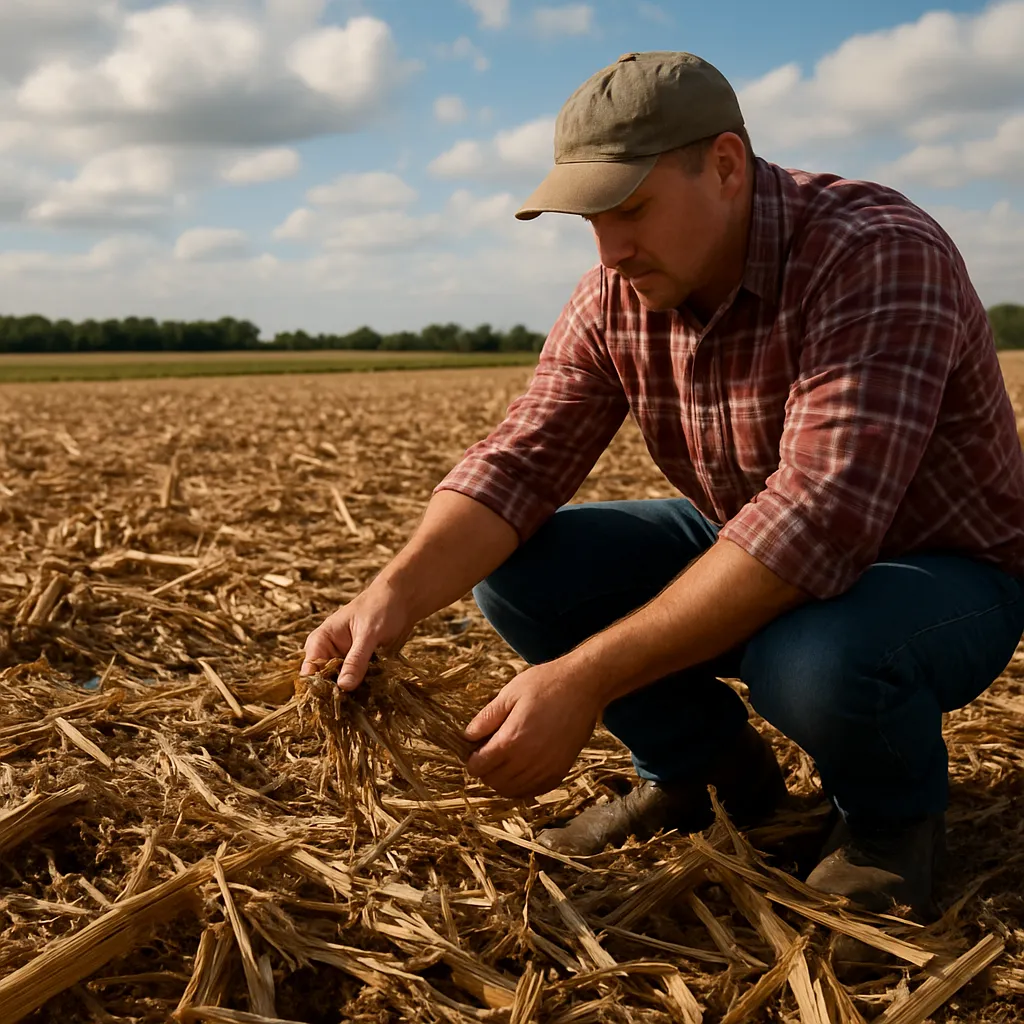
Managing crop residue effectively is essential for maintaining long-term soil structure and enhancing overall farm productivity. When plant material is left in the field after harvest, it becomes the foundation for a dynamic process driven by microorganisms and natural cycles. By understanding how to harness these biological forces, farmers can reduce reliance on synthetic inputs, increase organic matter levels, and promote sustainable agriculture.
Understanding the Role of Residue in Soil Health
Crop residues include leaves, stems, roots, and husks that remain after harvest. Rather than viewing them as waste, modern agronomists recognize their critical role in enhancing nutrient cycling and promoting soil resilience. Left undisturbed, residue serves multiple functions:
- Providing a habitat for decomposers
- Protecting soil from erosion and evaporation
- Contributing to carbon sequestration efforts
- Improving water infiltration and retention
However, misuse or improper management can lead to pest and disease build-up. It’s crucial to strike a balance by adopting best practices tailored to regional climates and crop types.
Biological Decomposition and Nutrient Release
As residue breaks down, a consortium of bacteria, fungi, earthworms, and other soil fauna orchestrates the decomposition process. This gradual breakdown releases essential nutrients—particularly nitrogen, phosphorus, and potassium—back into the soil profile. Key factors influencing decomposition rates include temperature, moisture, and the carbon-to-nitrogen (C:N) ratio of the residue. A C:N ratio of around 25–30:1 typically ensures optimal mineralization, reducing the risk of temporary nitrogen immobilization.
Impact on Soil Physical Properties
Residue cover mitigates soil compaction by absorbing the force of raindrops and heavy machinery. Over time, the integration of organic matter improves aggregate stability, pore space distribution, and root penetration. Farmers report increased water-holding capacity and enhanced drought resilience in fields managed with no-till or reduced-tillage systems that retain surface residue.
Effective Strategies for Crop Residue Management
To maximize the benefits of residue, a combination of cultural, mechanical, and biological strategies can be deployed. Selecting the right approach depends on farm size, equipment availability, and environmental goals.
Mulching with Residue
Mulching is the practice of evenly spreading residue over the soil surface. Benefits include:
- Regulating soil temperature
- Suppressing weeds without herbicides
- Minimizing moisture loss during hot, dry periods
- Encouraging beneficial insect populations
Proper mulching requires uniform distribution, avoiding clumps that can harbor pests. Specialized spreaders can help achieve an even layer, typically 5–10 cm thick, depending on climate and residue type.
Incorporation via Reduced Tillage
While conventional plowing buries residue deeply—potentially accelerating cold-weather breakdown—reduced-tillage systems strike a compromise. Disking, chisel plowing, or zone tillage lightly mixes residues without disturbing the entire soil profile. Advantages include:
- Maintaining surface cover to combat erosion
- Reducing fuel and labor costs compared to moldboard plowing
- Encouraging earthworm activity in surface layers
Farmers should calibrate equipment to prevent excessive mixing, which can lead to nutrient leaching or temporary nitrogen deficiency.
On-Farm Composting of Residues
Composting transforms a mix of crop residues, manure, and green waste into a stable, humus-rich amendment. Key steps include:
- Shredding bulky stalks to increase surface area
- Balancing carbon- and nitrogen-rich materials for a C:N ratio near 30:1
- Monitoring moisture (40–60%) and aeration through periodic turning
- Ensuring temperatures reach 55–65°C for pathogen suppression
Finished compost can be broadcast before planting or banded along seed rows, releasing nutrients gradually and enhancing microbial diversity.
Integrating Cover Crops and Crop Rotations
Cover crops complement residue management by adding living roots and additional organic material. Deep-rooted species such as radish or legumes promote nitrogen fixation and improve subsoil structure.
Benefits of Diverse Rotations
Diverse crop rotations break pest and disease cycles, optimize nutrient use, and diversify residue quality. For instance, alternating high-residue cereals with legumes yields mixed residue that decomposes at variable rates, ensuring steady nutrient supply. Key rotation principles include:
- Incorporating legumes to replenish nitrogen
- Balancing high-carbon and low-carbon residues
- Planning sequences to avoid repetitive pest pressure
Overwintering and Spring Management
Leaving cover crops intact over winter provides a living mulch that protects soil from freeze-thaw events and reduces runoff. In spring, roller-crimpers can flatten the biomass, creating a thick mulch layer ready for planting without full inversion. This practice preserves soil biota and accelerates the transition from cover crops to cash crops.
Advanced Techniques and Long-Term Benefits
As residue management evolves, farmers and researchers are exploring cutting-edge methods to boost both agronomic performance and environmental outcomes.
Integrating Precision Agriculture
Remote sensing and GPS-guided equipment enable variable-rate residue management. Farmers can tailor incorporation depth, mulch density, or compost application rates based on real-time soil moisture, organic matter maps, and yield history. Such precision maximizes resource efficiency and minimizes environmental impact.
Utilizing Biochar Amendments
Biochar, a stable form of charcoal produced from biomass pyrolysis, can be mixed with crop residues to enhance carbon sequestration. When applied at 1–5 tonnes per hectare:
- Biochar increases cation exchange capacity
- It improves water retention in sandy soils
- It provides habitat niches for beneficial microbes
Pairing biochar with residue incorporation creates a synergistic effect, stabilizing organic matter and improving nutrient retention.
Monitoring and Continuous Improvement
Effective residue management requires ongoing assessment. Key indicators include:
- Soil organic matter levels
- Infiltration rate and bulk density
- Microbial biomass and activity
- Crop yield and quality over multiple seasons
By documenting results and adjusting practices, producers can refine their systems to meet both productivity and sustainability goals.
Environmental and Economic Impact
Proper crop residue management offers measurable benefits beyond the field. Reduced erosion minimizes sediment runoff into waterways, improving regional water quality. Enhanced soil carbon storage contributes to climate mitigation, while reduced fuel and fertilizer use lowers greenhouse gas emissions. Economically, farmers experience lower input costs, improved yield stability, and potential revenue from carbon credit programs.
Community and Policy Incentives
Government and industry initiatives increasingly reward sustainable residue practices. Programs may offer:
- Cost-share assistance for cover crop seed and planting
- Incentives for no-till or reduced-tillage equipment
- Financial credits for documented carbon sequestration
Engaging with local extension services and conservation agencies helps farmers stay informed about available resources and emerging research.