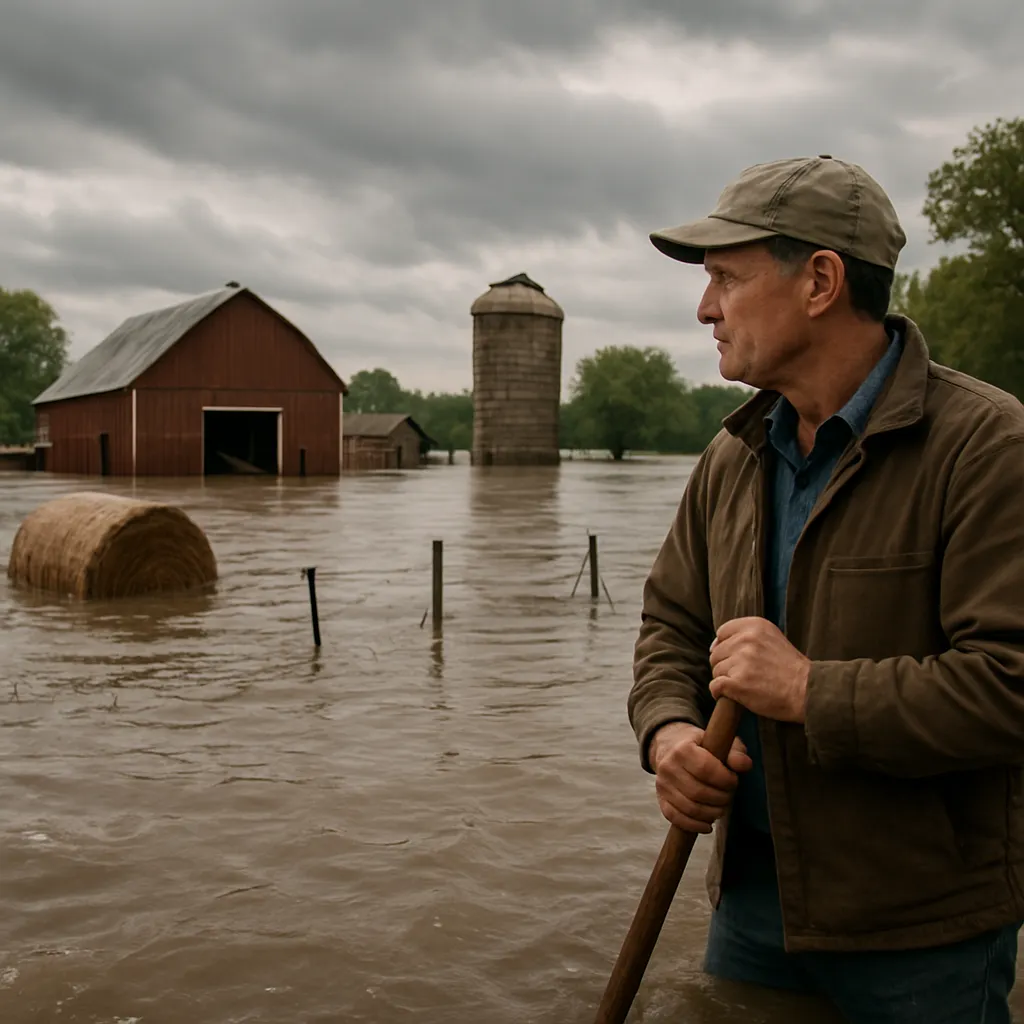
Managing a farm during periods of severe flood requires careful planning, swift action, and adaptability. Farmers face challenges ranging from waterlogged fields that threaten crop yields to stranded livestock and damaged machinery. By understanding the risks, investing in robust infrastructure, and implementing best practices for risk mitigation, farm owners can build greater resilience and protect their livelihoods.
Assessing Flood Risks and Preparation
Monitor Weather and Water Levels
- Subscribe to reliable meteorological services to receive frequent updates on heavy rainfall forecasts and rising river stages.
- Install automated gauges in nearby waterways or on farm drainage channels to monitor real-time water levels and alert you to sudden rises.
- Map low-lying areas of the farm that are prone to pooling water, and note historical flood extents to guide future defenses.
Develop a Flood Response Plan
- Assign roles to farm employees: designate who will handle animal evacuation, crop protection, equipment relocation, and communications with emergency services.
- Create clear checklists for pre-flood tasks, including securing gates, elevating feed bags, and unplugging electrical equipment near flood-prone areas.
- Arrange communication protocols—such as group texts or radio channels—so all team members receive immediate warnings and instructions.
Invest in Infrastructure and Landscaping
- Build raised platforms or levees around critical buildings like barns, storage sheds, and machine shops to keep them above anticipated flood levels.
- Reinforce drainage ditches and culverts, ensuring they are clear of debris and able to channel water away quickly.
- Consider installing temporary barriers—such as sandbags or modular flood panels—that can be erected swiftly when a flood warning is issued.
- Plant buffer strips of deep-rooted grass or cover crops on fields’ edges to slow incoming water and reduce soil erosion.
Protecting Crops and Soil
Temporary Barriers and Pumping Solutions
- Use portable pumps to redirect surface water into designated retention ponds or diversion channels, reducing the depth of standing water on fields.
- Place reinforced barriers around greenhouse bases and cold frames to prevent seepage and maintain a controlled growing environment.
- Employ tarp covers or raised beds for high-value crops to minimize root saturation and fungal disease risk.
Salvaging Waterlogged Crops
- Focus on rapid drainage: open soil furrows or create shallow trenches that channel water away from the root zones of sensitive plants.
- Apply gentle aeration—where practical—to loosen compacted, muddy soil and allow oxygen to penetrate the root zone.
- Trim damaged or rotting foliage to limit disease spread, and treat with approved fungicides if waterborne infections appear.
- Prioritize harvest of salvageable produce to prevent further loss, staging temporary markets or on-farm sales if standard distribution channels are disrupted.
Soil Remediation and Restoration
- Once floodwaters recede, assess soil health by testing for nutrient leaching, pH imbalance, and contaminant buildup.
- Incorporate organic matter—such as compost or well-rotted manure—to rebuild soil structure and replenish lost fertility.
- Use subsoiling or deep ripping equipment on heavy clay soils to break compaction layers caused by prolonged saturation.
- Sow cover crops like rye or clover to prevent topsoil erosion, fix atmospheric nitrogen, and improve overall soil tilth.
Safeguarding Livestock and Machinery
Emergency Evacuation Procedures
- Map out safe, elevated routes for trailer transport of livestock, and identify nearby high-ground shelters or partner farms willing to accommodate animals temporarily.
- Maintain emergency kits stocked with halters, leads, feed, water containers, and basic veterinary supplies for rapid deployment.
- Conduct periodic evacuation drills with farm staff to ensure everyone can move animals calmly and efficiently under pressure.
Health and Nutrition Management
- Provide clean, uncontaminated water by using elevated tanks or sealed containers if wellheads are at risk of floodwater intrusion.
- Shift livestock to high-quality hay or purchased feed if pasture grasses become submerged or muddy, which increases digestive upset risks.
- Monitor animals closely for stress indicators—such as rapid breathing, lameness from muddy footing, or mastitis in dairy herds—and consult a veterinarian promptly.
Maintenance of Equipment
- Before floods strike, relocate expensive tractors, planters, and tillage implements to higher ground or sealed storage with raised floors.
- After waters recede, perform thorough inspections: change oils, check filters, run water pumps dry, and grease all moving parts to prevent corrosion.
- Clean mud and debris from radiators, air intakes, and hydraulic lines to avoid damage during subsequent field operations.
Post-Flood Recovery and Long-Term Strategies
Rebuilding and Insurance Claims
- Document all flood-related losses—damaged structures, crop failures, and livestock health issues—with dated photographs and detailed records.
- Engage with insurance adjusters early, providing itemized inventories and repair estimates to expedite claim processing.
- Investigate government relief programs or low-interest loans designed to support farmers recovering from natural disasters.
Enhancing Future Sustainability and Resilience
- Adopt practices such as no-till or reduced-till farming to bolster soil structure and improve water infiltration rates.
- Install permanent bioswales, retention basins, and rain gardens that moderate stormwater flow and reduce on-site runoff peaks.
- Rotate crops with species known for robust root systems—like sunflowers or certain legumes—to naturally aerate and stabilize the soil profile.
- Foster agroforestry initiatives by planting flood-tolerant trees along waterways, creating living windbreaks and enhancing biodiversity.
Community Collaboration and Knowledge Sharing
- Join local farming cooperatives or extension networks to share firsthand experiences, effective practices, and early warnings.
- Host or attend workshops on flood mitigation technologies—such as submersible pump systems or smart water-level sensors—to stay current with innovations.
- Partner with neighboring farms for mutual aid agreements, ensuring access to additional resources, labor, or machinery when a major flood strikes.