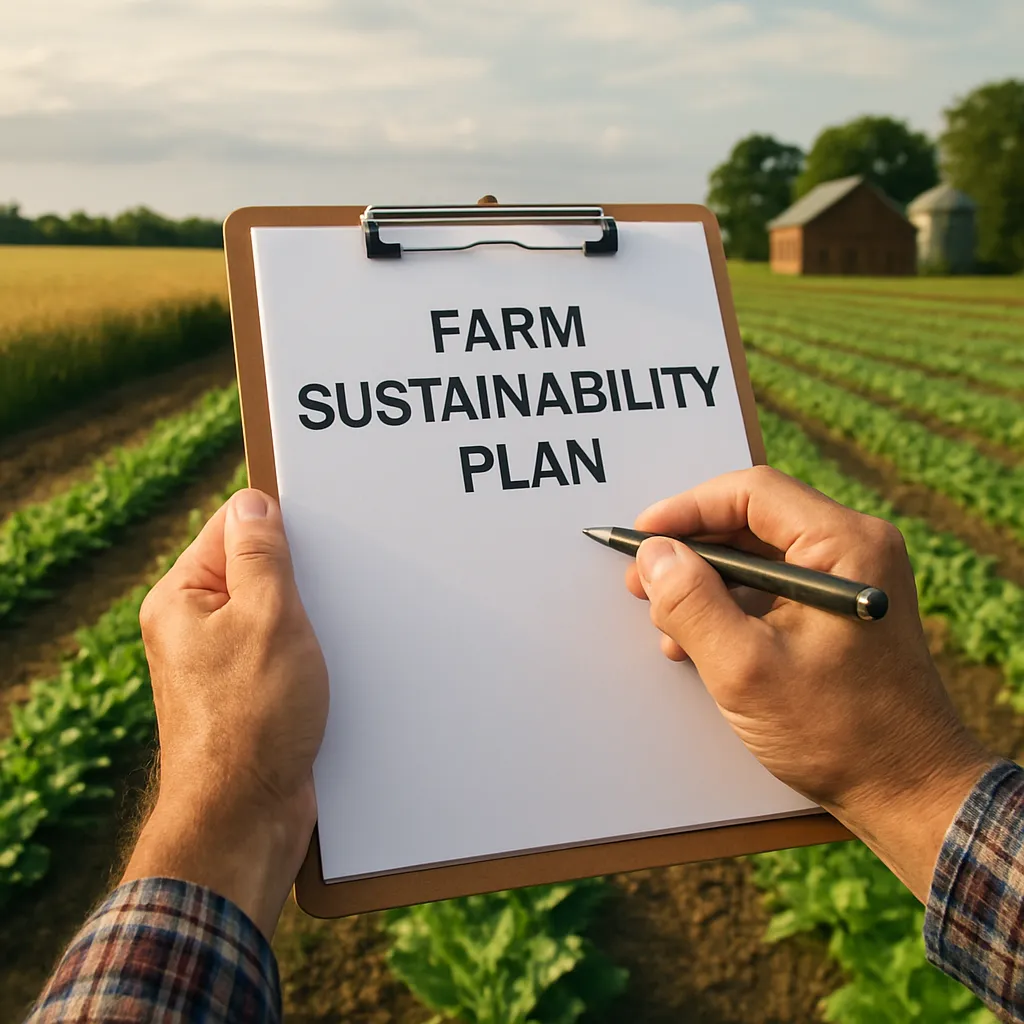
Creating a comprehensive farm sustainability plan requires thoughtful analysis, strategic planning, and continuous improvement. By integrating modern practices with traditional wisdom, farmers can boost productivity while safeguarding natural resources. This guide provides actionable insights, organized in clear sections, to help you develop a robust approach that benefits both your land and your community.
Evaluating Your Farm’s Baseline
Understanding where you stand is the first step toward meaningful change. A thorough evaluation covers environmental, economic, and social dimensions.
Soil Health Assessment
- Conduct regular soil tests to evaluate nutrient levels and pH balance.
- Identify areas prone to erosion or compaction that reduce productivity.
- Map soil types across your fields to tailor planting strategies and cover crop mixes.
Water Resource Analysis
- Measure water usage for irrigation, livestock, and processing operations.
- Monitor local precipitation patterns and assess on-farm storage capacity.
- Detect leaks, runoff, and inefficiencies that undermine efficiency.
Biodiversity and Ecosystem Services
- Inventory existing flora and fauna, from beneficial insects to wild pollinators.
- Identify habitat corridors and ecological hotspots for wildlife conservation.
- Evaluate the impact of current practices on soil microbial life and overall biodiversity.
Designing Sustainable Strategies
With baseline data in hand, you can craft targeted plans. These strategies should align with long-term goals, regulatory requirements, and market needs.
Enhancing Soil Fertility
- Incorporate cover crops and green manures to build organic matter.
- Practice crop rotation to interrupt pest life cycles and improve nutrient cycling.
- Apply compost and biochar to sequester carbon and boost soil health.
Optimizing Water Management
- Install drip or micro-sprinkler systems to reduce evaporation losses.
- Capture rainwater in ponds and tanks for on-demand irrigation.
- Implement precision irrigation scheduling based on soil moisture sensors.
Promoting Ecosystem Resilience
- Create buffer strips and hedgerows to support beneficial insects and birds.
- Integrate agroforestry practices, such as alley cropping, to diversify income streams.
- Maintain wetlands or ponds to enhance flood control and natural resilience.
Implementing Innovation and Technology
Modern tools and techniques can accelerate progress and improve decision-making. Embrace technology that aligns with your scale and budget.
Precision Agriculture Tools
- Use GPS-guided machinery for accurate seeding, fertilizing, and harvesting.
- Adopt drone or satellite imagery for crop health monitoring and early stress detection.
- Deploy soil sensors to track moisture, temperature, and nutrient fluctuations in real time.
Renewable Energy Integration
- Install solar panels or wind turbines to power pumps, barns, and equipment.
- Explore biogas systems that convert livestock manure into an energy source.
- Calculate payback periods and potential incentives for on-farm renewable installations.
Data Management and Analysis
- Centralize farm data using cloud-based farm management software.
- Generate reports on yields, input usage, and environmental indicators.
- Leverage predictive analytics to optimize planting schedules and input applications.
Monitoring, Evaluation, and Continuous Improvement
A sustainability plan is a living document. Regular assessment ensures you stay on track and adapt to changing conditions.
Key Performance Indicators (KPIs)
- Define KPIs such as water use per hectare, greenhouse gas emissions, and yield per input unit.
- Track carbon sequestration gains in soil and vegetation cover.
- Monitor economic metrics, including cost savings and additional revenue from sustainable products.
Adaptive Management Practices
- Conduct quarterly reviews to adjust practices based on performance data.
- Engage field teams in feedback sessions to capture on-ground insights.
- Adopt a cycle of planning, acting, monitoring, and refining to foster innovation and resilience.
Certification and Reporting
- Pursue recognized sustainability certifications to demonstrate commitment and add market value.
- Publish annual sustainability reports for stakeholders and consumers.
- Use transparent data sharing to build trust and encourage collaboration with partners.
Building Community and Market Connections
Long-term success depends on strong relationships with local communities, consumers, and industry peers.
Stakeholder Engagement
- Host farm tours and workshops to showcase sustainable practices and gather feedback.
- Partner with local universities and extension services for research and training.
- Collaborate with neighboring farms to share resources and co-develop solutions.
Marketing Sustainable Products
- Highlight eco-friendly attributes on packaging and marketing materials.
- Seek direct-to-consumer channels like farmers’ markets and community-supported agriculture (CSA).
- Leverage digital platforms to tell your farm’s sustainability story and build brand loyalty.
Educational Outreach
- Develop school programs to teach youth about sustainable agriculture and conservation.
- Offer internships and apprenticeships to cultivate the next generation of farmers.
- Contribute articles or case studies to agricultural publications and online forums.