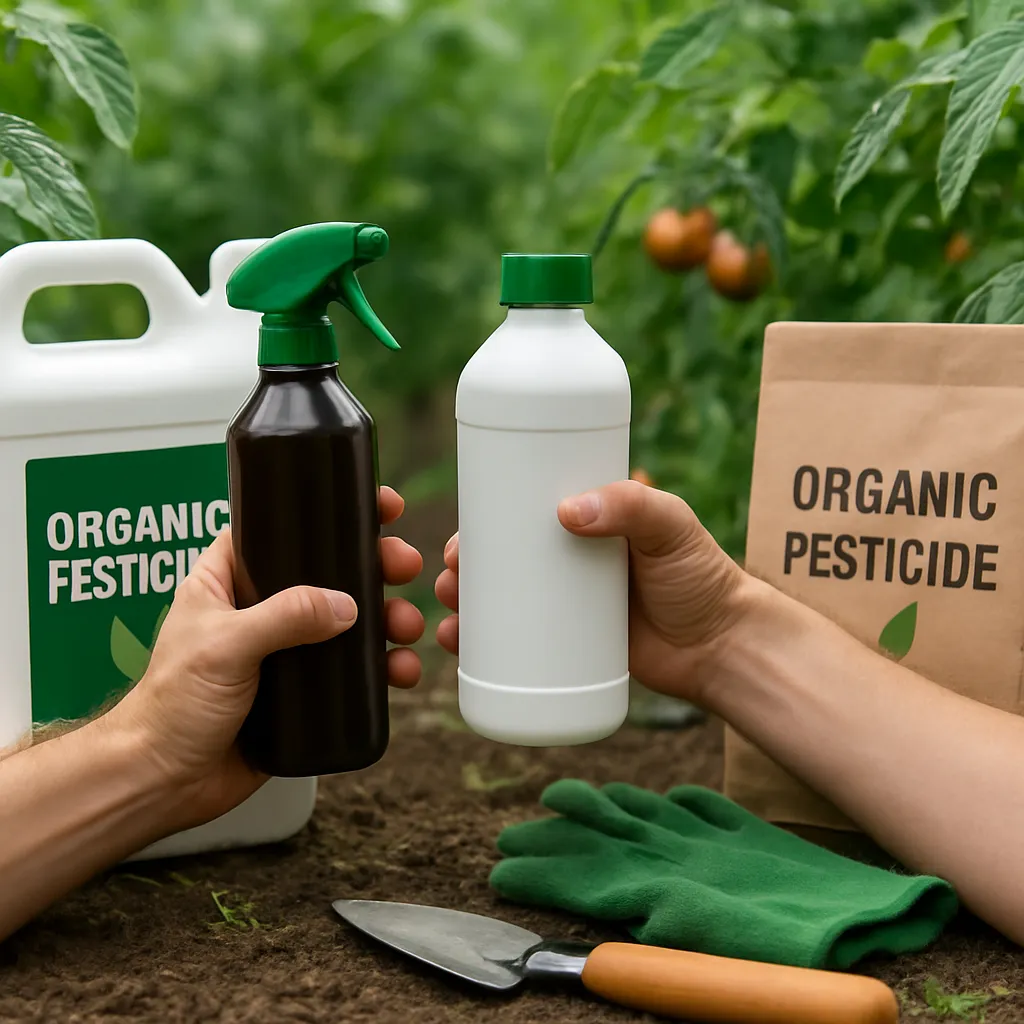
Choosing the right organic pesticide is critical for maintaining a healthy garden or farm without sacrificing environmental health. A successful strategy requires an understanding of various product types, knowledge of pest biology, and a commitment to sustainable practices. This guide explores key aspects of selecting and using organic pesticides effectively, ensuring both crop productivity and ecological balance.
Understanding Organic Pesticides: Types and Benefits
Organic pesticides derive from natural sources such as plants, bacteria, minerals, or certain chemicals that degrade rapidly without leaving harmful residues. These products offer several advantages over conventional chemicals, including reduced toxicity, biodegradable properties, and minimal disruption to beneficial organisms. By integrating organic pesticides into pest management plans, growers can enhance long-term soil fertility and promote overall sustainability.
Major Classes of Organic Pesticides
- Botanical Extracts: Neem oil, pyrethrin, and garlic extracts target insects through neurotoxic or repellent actions.
- Microbial Agents: Bacillus thuringiensis (Bt) strains are effective against caterpillars, while Beauveria bassiana controls a range of arthropods by infecting their bodies.
- Mineral-Based: Diatomaceous earth and kaolin clay create physical barriers that abrade insect exoskeletons or repel pests.
- Organic Acids and Soaps: Fatty acid salts and horticultural soaps disrupt cell membranes of soft-bodied pests like aphids and whiteflies.
Key Benefits
- Environmental Safety: Many organic options are harmless to pollinators and predatory insects when used correctly.
- Reduced Residue: Rapid degradation means lower residual impact on soil and water.
- Resistance Management: Rotating modes of action helps delay pest resistance.
Key Factors to Consider When Selecting Organic Pesticides
Not all organic pesticides deliver the same performance under every condition. To maximize effectiveness, weigh multiple criteria before making a purchase:
Pest Target Specificity
Identify the exact pest or pest group infesting your crops. Choose a product with a narrow spectrum if beneficial insects are present, or opt for broader control when multiple pest species co-occur. Check product labels for confirmed target organisms and application rates.
Crop Compatibility and Timing
Certain formulations may cause phytotoxicity on sensitive plants. Always test a small area or read manufacturer guidelines to ensure compatibility. Consider crop growth stages: some products are safest during vegetative phases, while others are labeled for use close to harvest.
Environmental and Regulatory Considerations
Assess potential drift, leaching, or runoff into adjacent ecosystems. Choose formulations certified for organic production by recognized bodies (e.g., USDA NOP, ECOCERT). Ensure application complies with local stewardship and safety regulations to protect workers and wildlife.
Economic and Practical Aspects
- Cost per acre or hectare: Balance upfront price against the number of applications required for effective control.
- Availability and shelf life: Some microbial products need refrigeration and have limited viability.
- Ease of mixing and formulation: Premixed solutions save time, while concentrates offer flexibility for various spraying equipment.
Application Techniques and Best Practices
Proper use of organic pesticides enhances efficacy and prevents unintended harm. Follow these guidelines for optimal results:
Preparation and Equipment
- Clean sprayers thoroughly to avoid cross-contamination with conventional chemicals.
- Calibrate nozzles and pressure settings to achieve uniform coverage without excessive run-off.
- Wear appropriate personal protective equipment to minimize exposure.
Mixing and Dosage
Adhere to label instructions regarding water volume, concentration, and compatibility with adjuvants. Overdosing can damage plants, while underdosing may fail to control pests and encourage resistance. Use economics-driven decisions to optimize dosage rates for cost-effective control.
Timing and Frequency
Apply treatments during vulnerable pest life stages—for example, targeting caterpillars in early instars or aphids before colony establishment. Schedule sprays during calm weather and cooler parts of the day to reduce volatilization and drift. Rotate products with different modes of action to maintain long-term control.
Monitoring and Record-Keeping
- Inspect fields regularly to track pest population trends and beneficial insect activity.
- Maintain detailed logs of application dates, rates, weather conditions, and observed outcomes.
- Use records to refine integrated pest management plans and improve future decision-making.
Integrating Organic Pesticides into a Holistic IPM Strategy
Relying solely on any pesticide, organic or otherwise, can undermine ecosystem resilience over time. For robust pest management, incorporate the following complementary tactics:
- Cultural Controls: Crop rotation, cover cropping, and sanitation reduce pest habitat and overwintering sites.
- Biological Controls: Encourage predators, parasitoids, and pollinators by providing refuges and flowering plants.
- Physical Barriers: Row covers, sticky traps, and reflective mulches block or repel pests.
- Resistant Varieties: Select cultivars bred for pest tolerance to minimize the need for chemical interventions.
By thoughtfully integrating sustainable organic pesticides with cultural and biological practices, growers can achieve reliable pest management that supports crop health, environmental quality, and long-term farm viability.