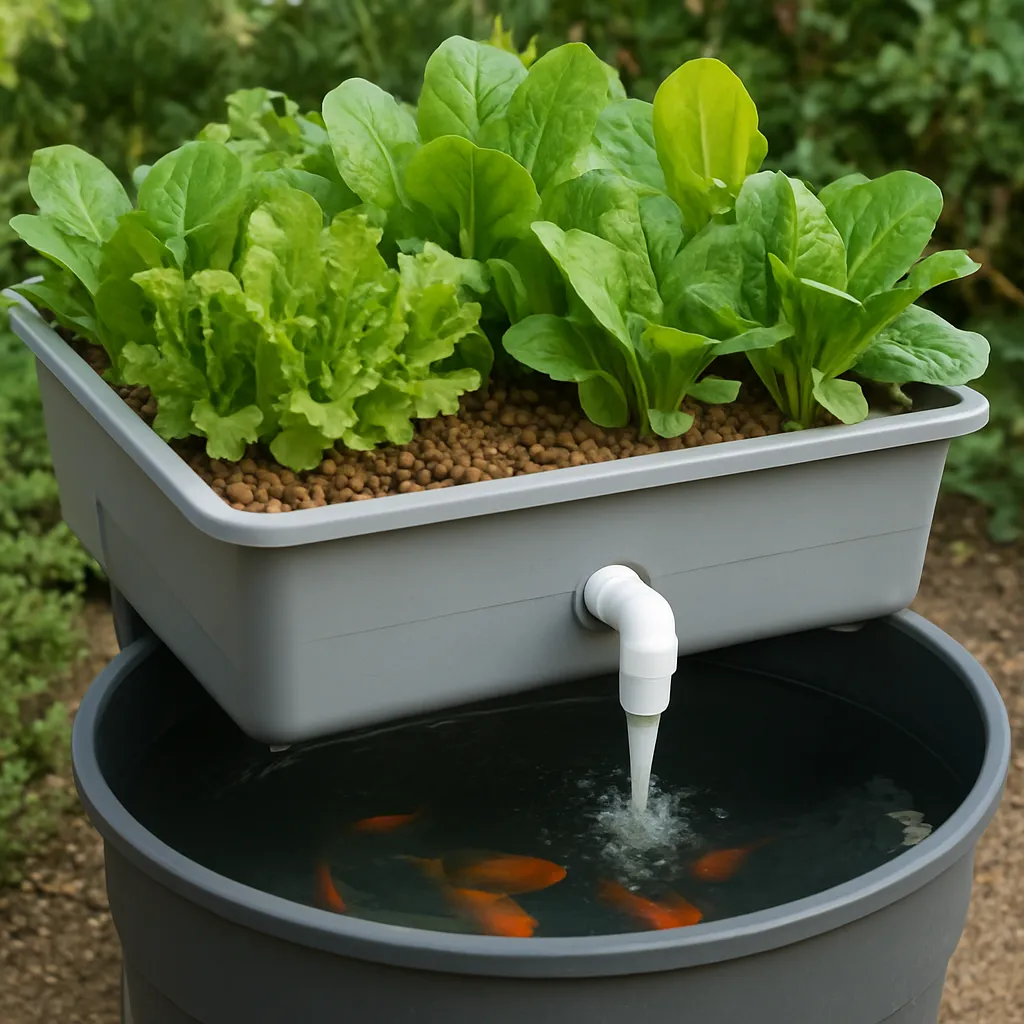
Growing crops with aquaponics merges fish farming and plant cultivation into one integrated system. By leveraging the natural cycles of bacteria and fish, gardeners can produce a constant supply of fresh vegetables while rearing fish in a closed-loop environment. This guide will walk you through the essentials of creating a thriving aquaponic setup.
Understanding Aquaponics: Principles and Benefits
The Science Behind the System
Aquaponics combines hydroponics (soilless plant cultivation) with aquaculture (fish farming). In this mutualistic arrangement, fish waste provides nutrients for plants, while plants filter and clean the water before it returns to the fish tank. A crucial element in this cycle is beneficial bacteria, which convert ammonia from fish waste into nitrites and then into nitrates that plants can absorb.
Key Advantages
- Water Efficiency: Uses up to 90% less water compared to traditional agriculture.
- Space Utilization: Vertical designs make it ideal for urban or limited-space environments.
- Year-Round Production: Controlled environments reduce seasonal constraints.
- Sustainability: Minimizes chemical fertilizers and pesticide use.
- Dual Yield: Harvest both edible plants and fish for food or aquaculture sale.
Setting Up Your Aquaponics System
Choosing the Right Components
Before assembling your setup, gather these critical elements:
- Fish Tank: Select a container made from food-grade materials with sufficient volume for your intended fish biomass (commonly tilapia, trout, or catfish).
- Grow Beds: Options include media-filled beds (expanded clay, gravel) or raft systems where plants float on polystyrene boards.
- Water Pump and Plumbing: Ensure consistent water circulation between the fish tank and grow beds.
- Biofilters: Although media beds often serve this role, an external biofilter can improve nutrient conversion.
- Grow Lights (optional): For indoor or greenhouse systems, full-spectrum LED or fluorescent lights support photosynthesis.
System Design Variations
Popular aquaponic configurations include:
- Media Bed Systems: Plants grow in inert media that also houses bacteria.
- Deep Water Culture (DWC): Plants rest on rafts floating in nutrient-rich water reservoirs.
- Nutrient Film Technique (NFT): A thin film of water flows through sloped channels beneath plant roots.
- Vertical Towers: Stacked layers optimize floor space and create a striking visual display.
Selecting Crops and Managing Water Quality
Best Plants for Aquaponics
Leafy greens and herbs often thrive in aquaponic systems due to their rapid growth and low nutrient demand. Consider these choices:
- Lettuce, kale, spinach
- Basil, mint, cilantro
- Strawberries and small fruiting plants
- Peppers and tomatoes (with careful pH and nutrient management)
Fish Selection and Care
Select fish species that match your climate, system size, and market goals. Key considerations include:
- Temperature tolerance (e.g., tilapia for warmer climates, trout for cooler conditions)
- Growth rate and feed conversion ratio
- Disease resistance and local regulations on aquaculture
Monitoring Water Chemistry
Maintaining optimal water parameters ensures a balanced ecosystem where both fish and plants can flourish. Regularly test for:
- pH: Aim for 6.8–7.2 for most systems
- Ammonia and nitrite levels: Should remain near zero; spikes indicate issues with biological filtration
- Nitrate concentration: Levels between 20–40 ppm support vigorous plant growth
- Water temperature: Keep within species-specific ranges
- Dissolved oxygen: Above 5 mg/L to prevent fish stress
Maintenance, Troubleshooting, and Scaling Up
Routine Tasks and Best Practices
- Daily checks: Monitor fish health, water temperature, and pump function.
- Weekly tests: Measure pH, ammonia, nitrite, and nitrate.
- Monthly tasks: Clean filters, prune overgrown plants, and top off water to compensate for evaporation.
- Feed management: Adjust fish feed according to water temperature and growth stage.
Common Challenges
Even well-designed systems can face setbacks. Watch for:
- Algal blooms: Reduce light exposure on nutrient-rich water surfaces and increase plant uptake.
- Pest infestations: Use physical barriers or introduce beneficial insects; avoid chemical pesticides.
- Bacterial imbalances: Perform partial water changes and ensure adequate monitoring of biofilter efficiency.
- Clogged pumps or pipes: Schedule preventive maintenance and use screens to limit debris.
Expanding Your Aquaponic Farm
Once you master a small-scale system, consider scaling up to commercial levels. Key factors include:
- System modularity for easier expansion
- Automated controls for nutrients, temperature, and water flow
- Energy-efficient design, possibly integrating solar or rainwater collection
- Record-keeping to track performance metrics like fish growth, plant yields, and resource use
Innovations and Future Trends
Advancements in sensor technology and data analytics are shaping the next wave of aquaponics. Real-time monitoring platforms, AI-driven nutrient dosing, and advanced lighting controls promise to boost productivity and sustainability. By staying informed and embracing innovation, growers can enhance yields, reduce resource consumption, and pave the way for urban farms of the future.