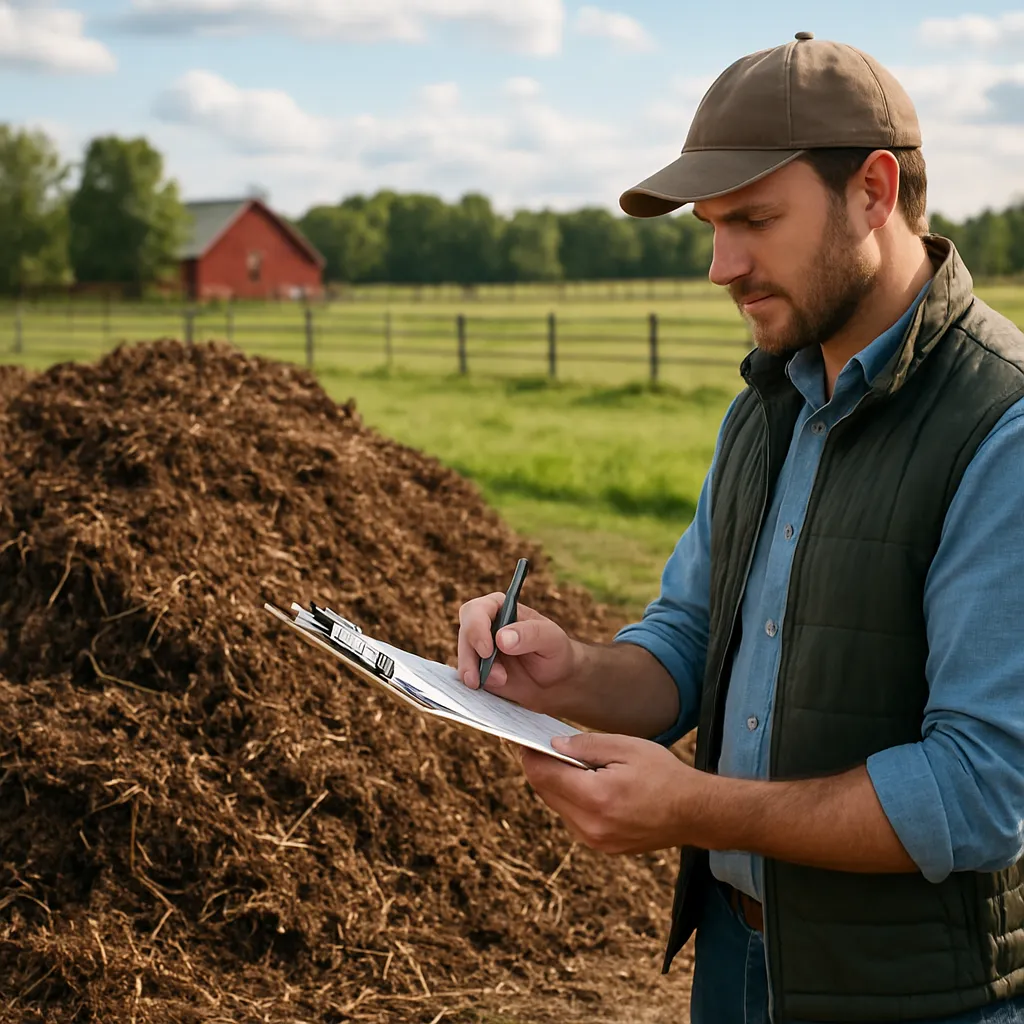
A well-thought-out compost management plan can turn farm residues into a powerful soil amendment, reduce waste handling costs, and foster greater sustainability in agricultural operations. By understanding the principles of decomposition, optimizing the carbon-to-nitrogen ratio, and maintaining ideal environmental conditions, farmers can produce high-quality compost that supports healthy crop growth. This guide outlines critical steps for creating and implementing an effective farm compost management strategy.
Site Selection and Layout
Choosing the right location and designing a functional layout are the first steps toward a successful compost system. Proper planning at this stage reduces odors, run-off issues, and labor demands.
Key Location Criteria
- Central access: Position the compost pad near equipment storage and fields to minimize transport time.
- Level ground: A flat, well-drained surface prevents waterlogging and eases pile turning.
- Shade and windbreaks: Partial shade can moderate temperature peaks, while natural barriers reduce odor drift.
- Distance to waterways: Maintain a buffer to protect ponds, streams, and wells from potential nutrient leaching.
Infrastructure Requirements
- Concrete or packed gravel pad for stable turning and equipment traffic.
- Drainage trenches or swales to divert excess rainwater.
- Covered area or tarps to control moisture and retain heat.
- Access to water supply for moisture management.
Feedstock Selection and Blending
A balanced mixture of raw materials accelerates microbial activity, ensuring efficient organic breakdown. Understanding the roles of various feedstocks helps achieve an optimal carbon-to-nitrogen ratio and supports diverse microorganisms.
Common Compost Ingredients
- High-carbon materials: Straw, dry leaves, wood chips, and crop residues provide structural bulk and energy.
- High-nitrogen materials: Manure, green plant clippings, food processing by-products, and legume residues fuel rapid microbial growth.
- Bulking agents: Shredded bark or perlite improve porosity and prevent compaction.
Mixing Guidelines
- Aim for a carbon-to-nitrogen ratio between 25:1 and 30:1 to foster balanced microbial activity.
- Layer feedstocks: Alternate thin layers of green (nitrogen-rich) and brown (carbon-rich) materials.
- Incorporate bulking agents to maintain airflow and reduce anaerobic zones.
- Moisture check: Ensure a 40–60% moisture content; the pile should feel like a wrung-out sponge.
Pile Construction and Management
Effective pile construction and routine management ensure uniform decomposition and temperature control. Regular intervention prevents odors and potential pathogens.
Building the Pile
- Base layer: Start with a 15–30 cm layer of coarse material for bottom aeration.
- Layer height: Build piles no higher than 1.5–2 meters to balance heat retention and oxygen flow.
- Shape considerations: Aerobic windrows, static piles, or in-vessel systems each offer unique benefits.
Process Monitoring and Turning
Routine monitoring of temperature, moisture, and oxygen levels keeps the system on track.
- Temperature checks: Use a long-stem thermometer to measure core temperatures; ideal ranges are 55–65°C for pathogen kill-off.
- Moisture monitoring: Add water or dry material to maintain target moisture.
- Oxygen levels: Turn piles every 7–10 days or install passive aeration channels to avoid anaerobic conditions.
- Record-keeping: Log parameters in a compost journal to track performance and improve future batches.
Environmental Control and Health Considerations
Maintaining optimal environmental conditions prevents odor, suppresses harmful microbes, and ensures farmer safety. Following best practices reduces the risk of contamination and enhances end-product quality.
Odor Management
- Balance feedstocks: Avoid excess nitrogen materials that can create ammonia emissions.
- Proper aeration: Aeration through turning or forced air systems prevents foul odors.
- Biofilters and covers: Use straw or wood chip covers to capture volatile compounds.
Pathogen and Weed Seed Control
- Thermophilic phase: Maintain 55–65°C for at least three consecutive days to inactivate pathogens and weed seeds.
- Moisture and pH: A neutral to slightly alkaline pH and adequate moisture help eliminate harmful organisms.
- Testing: Periodic microbial assays verify pathogen reduction and product safety.
Worker Safety Guidelines
- Personal protective equipment (PPE): Gloves, masks, and protective boots guard against contaminants.
- Training: Educate staff on proper handling, turning techniques, and hazard identification.
- First aid stations: Maintain accessible stations in case of injury or exposure incidents.
Curing, Screening, and Storage
After the active composting phase, a curing period stabilizes the material, improving nutrients availability and reducing phytotoxic compounds.
Curing Phase
- Duration: Allow 2–4 weeks for the stable microbiota to further refine the compost.
- Temperature: Curing piles should remain below 40°C to preserve beneficial organisms.
Screening and Quality Control
- Mesh screens: Remove oversized debris and ensure a uniform particle size.
- Quality tests: Analyze nutrient content (N, P, K), pH, electrical conductivity, and organic matter levels.
- Labeling: Clearly mark batches with production date, parameters, and test results.
Storage Best Practices
- Covered bays: Protect cured compost from rain and wind erosion.
- FIFO system: Use a “first in, first out” approach to maintain freshness.
Utilization and Integration into Farm Operations
Strategic application of finished compost enhances soil structure, water retention, and plant health. Customizing application rates ensures maximum benefit without nutrient overload.
Application Methods
- Broadcast spreading: Evenly distribute compost before planting or during fallow periods.
- Incorporation: Till compost into the topsoil to promote root zone enrichment.
- Side-dressing: Apply around growing plants to deliver nutrients as needed.
Rate Recommendations
- Vegetable crops: 5–10 tonnes per hectare per season.
- Cereal grains: 2–5 tonnes per hectare prior to seeding.
- Tree crops and orchards: 20–30 kg per tree annually, adjusted by tree age and soil tests.
Monitoring Field Response
- Soil tests: Pre- and post-application analyses guide future rate adjustments.
- Plant health surveys: Track vigor, disease incidence, and yield improvements.
- Adaptive management: Refine compost recipes and application timing based on results.
Decision Support and Continuous Improvement
Integrating data-driven tools and periodic reviews elevates your compost management plan, ensuring it remains aligned with evolving farm goals and environmental regulations.
Data Tracking Tools
- Spreadsheets or specialized software for recording batch details, parameter trends, and field performance.
- Mobile apps for on-the-go monitoring and real-time alerts on moisture or temperature anomalies.
Performance Audits
- Annual reviews: Assess operational costs, material inputs, and compost output quality.
- Benchmarking: Compare results with industry standards and peer farms.
- Stakeholder feedback: Incorporate insights from agronomists, extension agents, and farm workers.
Scaling and Innovation
- Pilot new feedstocks: Evaluate local agricultural by-products and industrial residues for potential inclusion.
- Technology upgrades: Consider in-vessel systems or automated aeration controls to boost throughput.
- Collaboration: Partner with research institutions to trial novel microorganisms or amendments.