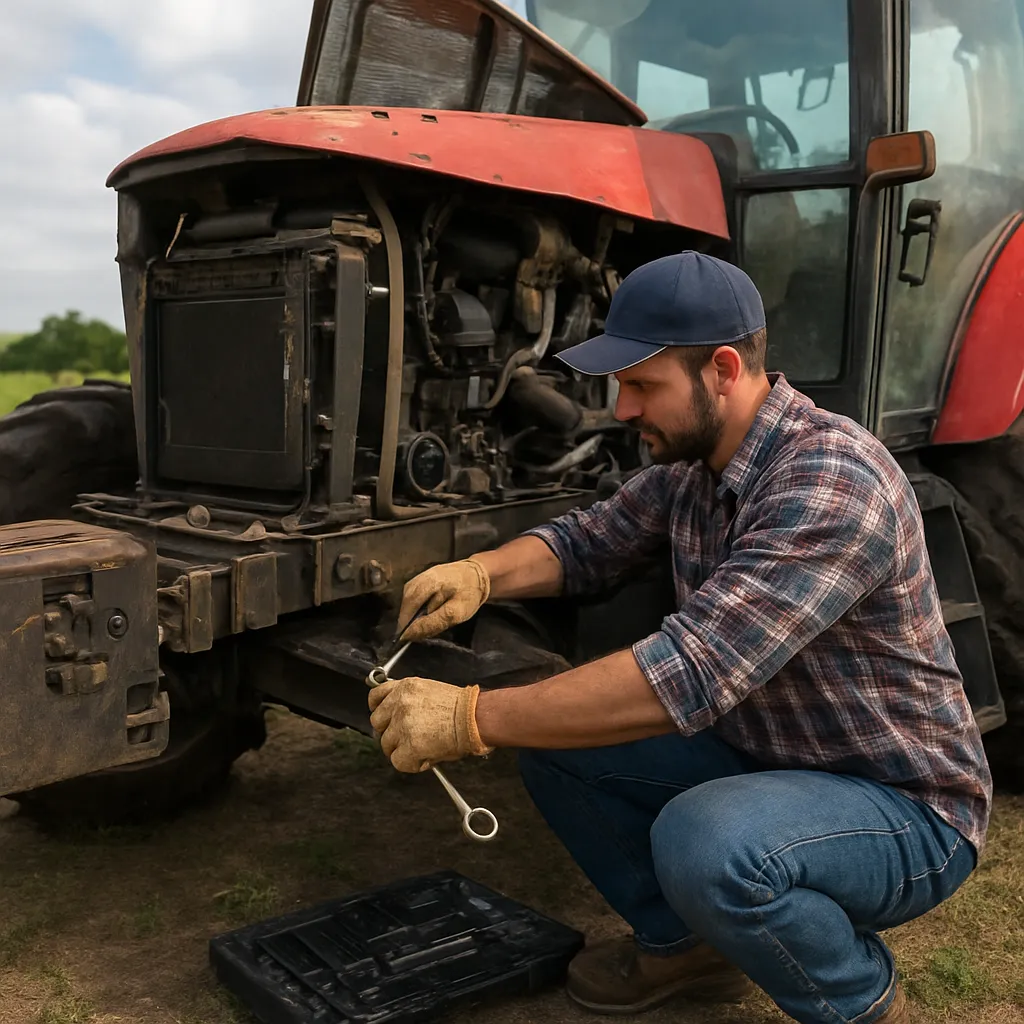
Maintaining farm machinery not only extends the lifespan of your assets but also reduces downtime and ensures a safer working environment. Implementing systematic checks and adhering to proven protocols can transform routine tasks into powerful risk management strategies. By focusing on key areas like inspection, lubrication, calibration, and proper operator training, you protect both personnel and investment.
Safety Inspection and Hazard Identification
Every maintenance session should begin with a thorough inspection. Identifying potential hazards early prevents minor issues from escalating into major failures. A structured approach to visual and hands-on checks empowers teams to address weak points before they become emergencies.
Visual Inspection Techniques
- Walk around the machine with a flashlight to spot cracks, corrosion, or leaks.
- Examine hydraulic hoses, fuel lines, and wiring for abrasions or bulges.
- Look for signs of oil or coolant pooling under the equipment.
Identifying Mechanical Wear
Mechanical components like gears, chains, and sprockets undergo constant stress. Checking for excessive play, broken teeth, or uneven surfaces reveals wear patterns. Documenting these findings in a daily log helps track degradation trends over time.
Electrical and Hydraulic Hazards
Electrical faults and hydraulic failures pose significant safety threats. Use a multimeter to test circuit continuity and voltage levels, ensuring all sensors and switches operate within specification. For hydraulics, monitor pressure readings and examine fittings for seepage. Always release stored energy by lowering raised arms or buckets before servicing.
Essential Maintenance Tasks
Routine upkeep tasks contribute directly to equipment efficiency and reliability. A failure to perform basic services can lead to costly breakdowns and unsafe conditions. Prioritize tasks according to manufacturer guidelines and on-field usage patterns.
Lubrication and Fluid Checks
Proper lubrication reduces friction and heat build-up in moving parts. Follow these steps:
- Use the recommended grease type at specified intervals.
- Check oil levels in engines and gearboxes weekly.
- Replace hydraulic fluid annually or after a set number of operating hours.
Filter and Belt Replacement
Filters capture contaminants that degrade performance and accelerate wear. Inspect air, fuel, and oil filters for clogging, and follow a replacement schedule. Belts may loosen over time—monitor tension, and look for cracking or glazing. Proper alignment prevents uneven wear and unexpected snap-offs.
Calibration and Alignment
Accurate calibration ensures implements perform tasks at the correct depth, width, and spacing. GPS-guided planters, sprayers, and spreaders require periodic recalibration to maintain precision. Alignment checks for axles and linkages prevent uneven tire wear and steering difficulties.
Developing a Maintenance Schedule
Creating a structured timetable empowers teams to stay ahead of potential issues, transforming reactive repairs into proactive services. Proper planning enhances operational continuity and fosters accountability among operators and technicians.
Creating a Checklist
A standardized checklist ensures no step is overlooked. Categorize items as daily, weekly, monthly, and seasonal tasks. Assign responsibilities and set reminder alerts to avoid lapses. A clear layout helps new staff adapt quickly and ensures consistency across shifts.
Seasonal Preparations
Adjust maintenance routines to weather and crop cycles. Before planting season, focus on calibration, lubrication, and fluid replacement. Prior to harvest, strengthen hydraulic systems, inspect cutting blades, and verify cooling systems. Winterizing requires draining water circuits, treating fuel with antifreeze additives, and storing machines under cover.
Emergency Repairs
Despite rigorous planning, breakdowns can occur. Equip your team with a basic repair kit that includes spare belts, hoses, filters, point-of-use greases, and essential tools. Train staff to perform quick fixes safely, and maintain a vendor contact list for specialized parts or services.
Training and Documentation
Effective training reduces human error and promotes adherence to best practices. Coupled with detailed operational guides and maintenance logs, education transforms processes into institutional knowledge.
Operator Training
Operators should understand machine functions, warning signs, and emergency shutdown procedures. Conduct hands-on demonstrations and periodic refresher courses. Use visual aids showing correct servicing points, torque values, and PPE requirements.
Standard Operating Procedures
Develop SOPs that define step-by-step maintenance actions. Include safety precautions, required tools, torque settings, and fluid types. Post SOPs in workshops and equipment sheds for quick reference. Review and update these documents annually or after significant machine upgrades.
Record Keeping and Records
Accurate records form the backbone of predictive maintenance. Log hours of operation, service dates, parts replaced, and inspections completed. Analyze data trends to forecast part replacements, adjust service intervals, and budget for capital expenditures.
Using Protective Gear and Tools
Wearing the correct gear and using purpose-built tools reduce the risk of injury and improve service quality. Investing in specialized equipment pays dividends in both safety and performance.
Personal Protective Equipment
- Safety glasses or face shields to guard against flying debris.
- Cut-resistant gloves for handling sharp components.
- Steel-toed boots and high-visibility clothing for general workshop work.
Specialized Tools
Hydraulic line wrenches, torque-limited drivers, vibration dampeners, and precision gauges help technicians perform accurate work. Using the right tool for each job prevents damage to fittings, threads, and machine surfaces.
Proper Storage
Organize tools in labeled racks or toolboxes. Store lubricants, chemicals, and spare parts in a dry, temperature-controlled area. Proper storage minimizes contamination, spoilage, and misplacement, ensuring everything is ready when needed.
Integrating Technology for Safety
Today’s farms benefit from digital systems that streamline maintenance tracking and enhance prevention strategies. Leveraging technology can uncover hidden inefficiencies and reduce manual paperwork.
Digital Inspection Apps
Mobile applications allow technicians to record inspections in real time, attach photos, and sync data to a central database. Automated reminders and analytics dashboards highlight overdue tasks and recurring faults, enabling swift corrective action.
Telematics and Monitoring Systems
Onboard sensors measure engine temperature, hydraulic pressure, fuel consumption, and vibration levels. Telematics platforms alert managers to anomalies, guiding remote diagnostics and timely interventions.
Data Analysis
Compiling historical maintenance and performance data reveals patterns that inform service intervals, part lifecycles, and retrofitting decisions. Data-driven choices improve long-term efficiency and reduce unexpected downtime.