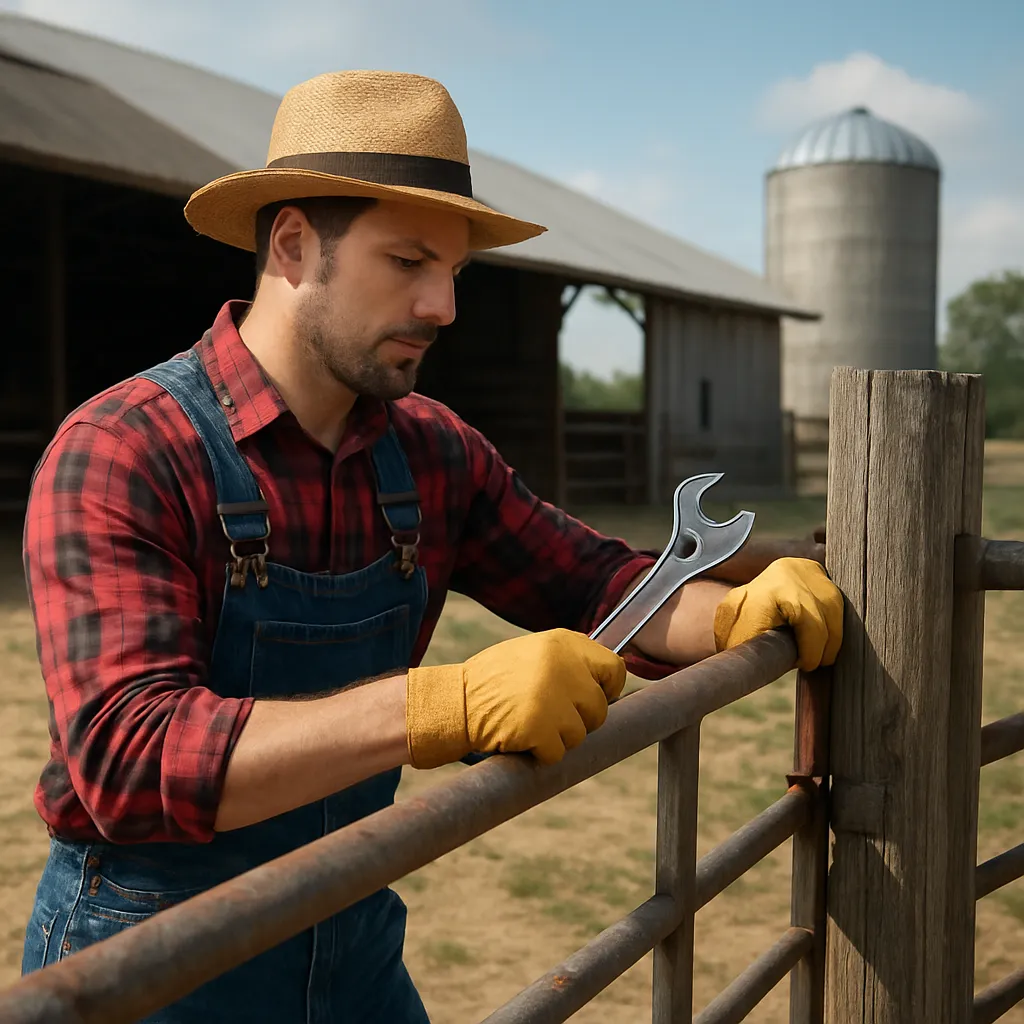
Maintaining a functional farm infrastructure is crucial for ensuring smooth operations, minimizing downtime, and safeguarding investments. Proper attention to every component—from buildings and fencing to irrigation systems and heavy machinery—can lead to improved productivity, reduced costs, and enhanced farm longevity. This guide explores practical tips and strategies on how to maintain farm infrastructure properly, emphasizing key principles and actionable steps.
Regular Inspection and Assessment
Consistent and thorough inspection is the foundation of any robust maintenance program. By identifying potential issues early, farmers can prevent small defects from escalating into costly breakdowns.
Visual Walkthroughs
- Perform daily or weekly tours of all major structures and equipment to spot wear, corrosion, or damage.
- Check roofs, walls, and foundations of barns and storage facilities for leaks, cracks, or pest infestation.
- Inspect fencing and gates to ensure posts are secure and wires or planks are intact.
Checklist and Documentation
Creating a standardized checklist streamlines the assessment process and ensures nothing is overlooked. Documentation of findings supports better decision-making and establishes maintenance history.
- List every asset—tractors, irrigation pumps, silos, and electrical systems—along with their inspection frequency.
- Record dates, findings, and corrective actions taken. Use logbooks or digital tools to track progress over time.
- Review past reports before major seasonal changes to prioritize repairs based on severity and impact.
Preventative Maintenance Strategies
Shifting from reactive repairs to preventative strategies can drastically reduce emergency breakdowns. A well-planned schedule not only extends the life of assets but also ensures consistent farm performance.
Equipment Upkeep
- Follow manufacturer guidelines for oil changes, filter replacements, and lubrication intervals.
- Maintain proper tire pressure, alignment, and brake function on tractors and trailers.
- Clean machinery after each major use to remove debris that can lead to rust or clog hydraulic lines.
Drainage and Water Management
Efficient drainage systems protect fields and structures from water damage. Proper water management enhances crop health and prevents erosion.
- Regularly clear ditches, culverts, and gutter systems of debris, sediment, and vegetation.
- Inspect pumps, pipes, and valves for leaks or blockages, replacing worn seals promptly.
- Install adjustable controls and sensors to monitor moisture levels, reducing overwatering and maintaining optimal soil conditions.
Structural Repairs and Upgrades
Timely repairs and strategic upgrades to farm buildings, barns, and storage facilities can significantly boost operational reliability. Addressing weak points early prevents safety hazards and costly reconstructions.
Roofing and Siding Maintenance
- Replace missing or damaged shingles, panels, or flashing to prevent leaks and rot.
- Inspect insulation, ventilation, and condensate drainage within enclosed structures.
- Apply protective coatings to metal roofing to guard against rust and UV damage.
Fencing and Gate Services
Well-maintained perimeter equipment secures livestock, deters pests, and defines property boundaries.
- Tighten loose wires, repair broken posts, and replace rusted hinges or latches.
- Use durable posts—treated timber or steel—to resist soil moisture and prolong lifespan.
- Consider automated or electronic gate solutions for improved access control and convenience.
Safety and Compliance
Ensuring safety and regulatory compliance protects workers, livestock, and the environment. A proactive approach integrates routine checks with ongoing training and documentation.
Training and Procedures
- Develop standard operating procedures (SOPs) for hazardous tasks such as pesticide application, silo entry, and machinery repair.
- Conduct regular safety drills and workshops for farmhands, emphasizing proper usage of personal protective equipment (PPE).
- Implement lockout/tagout protocols to de-energize equipment during maintenance and repairs.
Regulatory Standards
- Stay updated on local and national agricultural regulations related to waste disposal, water usage, and building codes.
- Maintain records of inspections, permits, and certifications required for equipment and infrastructure.
- Engage certified professionals for specialized tasks such as electrical rewiring, structural engineering, or environmental assessments.
Sustainable Practices for Long-Term Longevity
Integrating sustainability into maintenance routines promotes resource efficiency, reduces waste, and aligns with evolving market expectations.
Energy Efficiency
- Upgrade to LED lighting in barns and storage areas to lower power consumption and heat output.
- Install solar panels or wind turbines where feasible to offset electricity costs and minimize carbon footprint.
- Implement smart thermostats and automated controls to optimize heating and cooling based on actual needs.
Materials and Waste Management
- Choose eco-friendly building materials such as recycled steel, composite boards, or low-VOC paints.
- Recycle old metal parts, tires, and plastic containers through authorized collection centers.
- Compost organic residues from cleaning operations and integrate them back into soil enrichment practices.
Long-Term Planning and Investment
Budgeting for future maintenance and infrastructure improvements ensures financial stability. Plan capital expenditures with an eye on emerging technologies and climate resilience.
- Set aside a dedicated fund for emergency repairs, upgrades, and equipment replacement.
- Review lifecycle costs of major assets to decide between repair, retrofitting, or full replacement.
- Collaborate with agricultural extension services or industry experts to stay informed on innovative solutions.