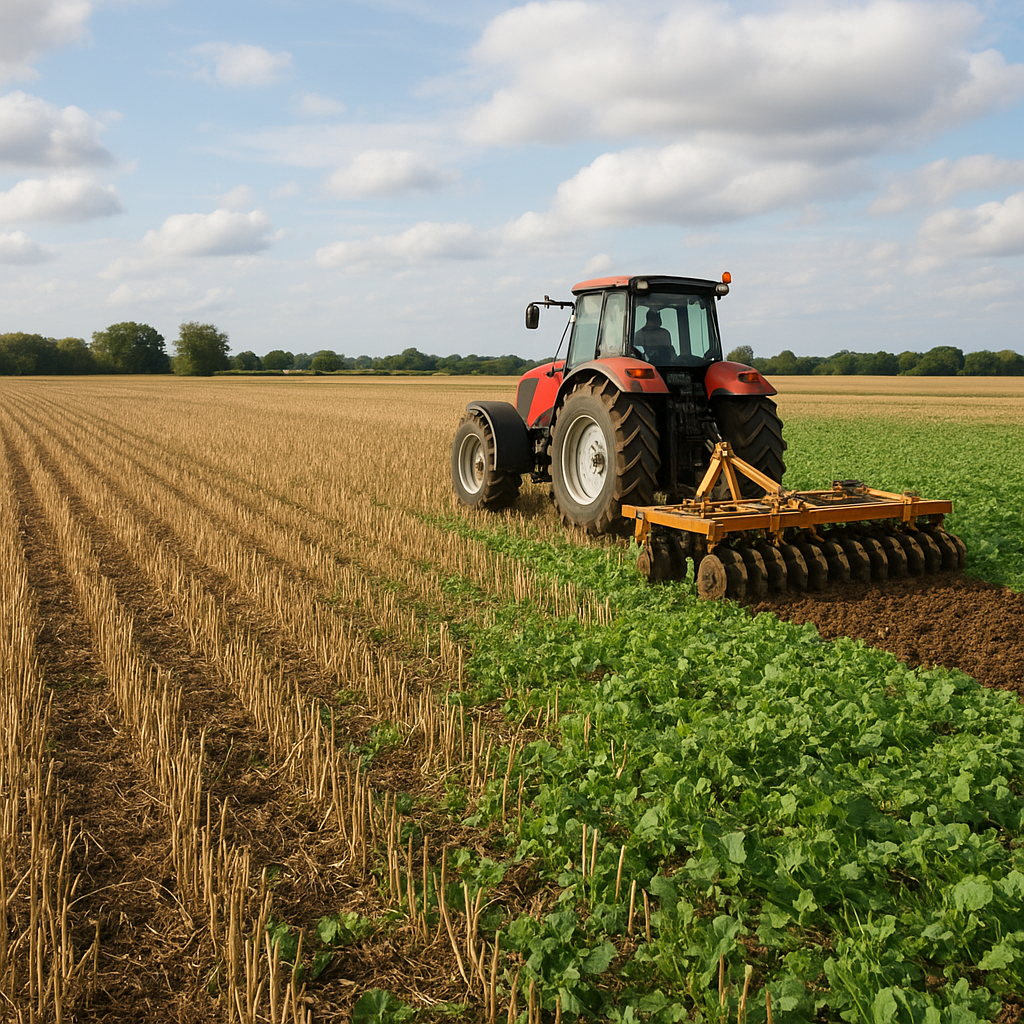
Zero-tillage farming has emerged as a cornerstone of modern agriculture, offering a pathway toward more sustainable and resilient crop production. By minimizing soil disturbance and leaving crop residues on the surface, this practice promotes enhanced soil structure, better water retention, and increased biodiversity. Farmers can reap multiple benefits—from reduced labor costs to improved profitability—while contributing to long-term environmental health.
Enhancing Soil Health and Structure
Impact on Texture and Composition
One of the most immediate effects of zero-tillage is its positive influence on soil texture. When tillage is eliminated, natural processes of earthworm activity and microbial decomposition work uninterrupted. Over time, soil aggregates form more steadily, resulting in a crumbly, well-aerated profile. Such structure reduces compaction and allows roots to penetrate deeper, accessing nutrients and moisture more effectively.
Moisture Conservation
Retention of crop residues atop the field surface acts as a protective mulch layer, minimizing evaporation. This mulch significantly lowers surface temperature fluctuations and conserves moisture even during periods of drought. In semi-arid regions, farmers have reported up to a 30% increase in soil water content compared to conventional tillage, which directly translates to more consistent yields under erratic rainfall patterns.
Enhanced Nutrient Cycling
By leaving crop residues on the field, zero-tillage fosters a continuous cycle of organic matter decomposition. Decomposers such as fungi and bacteria release essential nutrients—nitrogen, phosphorus, and potassium—back into the soil. Over successive seasons, this natural process can reduce dependence on synthetic fertilizers, enhancing both environmental outcomes and input cost savings.
Operational Advantages and Practical Tips
Reduced Fuel and Labor Costs
Traditional plowing requires multiple passes over a field, consuming large amounts of diesel and time. Adopting a zero-tillage system can slash fuel usage by up to 50% as well as cut down on machinery wear and tear. Farmers can redeploy labor to other value-added tasks, boosting overall efficiency on the farm.
Equipment Considerations
- Select specialized drills or planters designed for residue management.
- Ensure coulters and disc openers are sharp to penetrate heavy residue.
- Maintain ideal working depth to optimize seed placement without excessive soil disturbance.
Crop Rotation and Cover Crops
A robust rotation plan reduces disease carryover and improves soil fertility. Integrating legumes or cover crops like clover and rye can fix atmospheric nitrogen or scavenge residual nutrients. These practices synergize with zero-tillage by maintaining continuous ground cover and fostering biodiversity in both soil biology and above-ground ecosystems.
Environmental and Economic Benefits
Mitigating Soil Erosion and Runoff
Leaving residue on the surface acts as a natural barrier against wind and water erosion. Fields under zero-tillage have shown as much as 90% reduction in topsoil loss compared with conventional methods. This translates to preserved nutrient-rich topsoil and lower sediment loads entering local waterways, protecting aquatic habitats.
Carbon Sequestration and Climate Resilience
Minimal soil disturbance allows carbon to accumulate in the soil profile instead of being released into the atmosphere. Studies have demonstrated that zero-tillage systems can sequester an additional 0.3–1.2 tons of carbon per hectare annually. Over time, this contributes to climate change mitigation and enhances long-term resilience of farming systems against extreme weather events.
Boosting Productivity and Long-Term Profitability
Though the transition to zero-tillage may require initial adjustments, many farmers report stable or even increased yields within three to five seasons. Savings on fuel, labor, and inputs, combined with improved soil health, foster a more sustainable bottom line. Additionally, potential government incentives and carbon credit programs can further enhance the farm’s financial outlook.
Key takeaways from adopting zero-tillage include better soil water dynamics, lower erosion rates, reduced operational costs, and enhanced ecosystem services. As global agriculture seeks to meet growing food demands under changing climatic conditions, zero-tillage stands out as a valuable tool in the farmer’s toolkit.