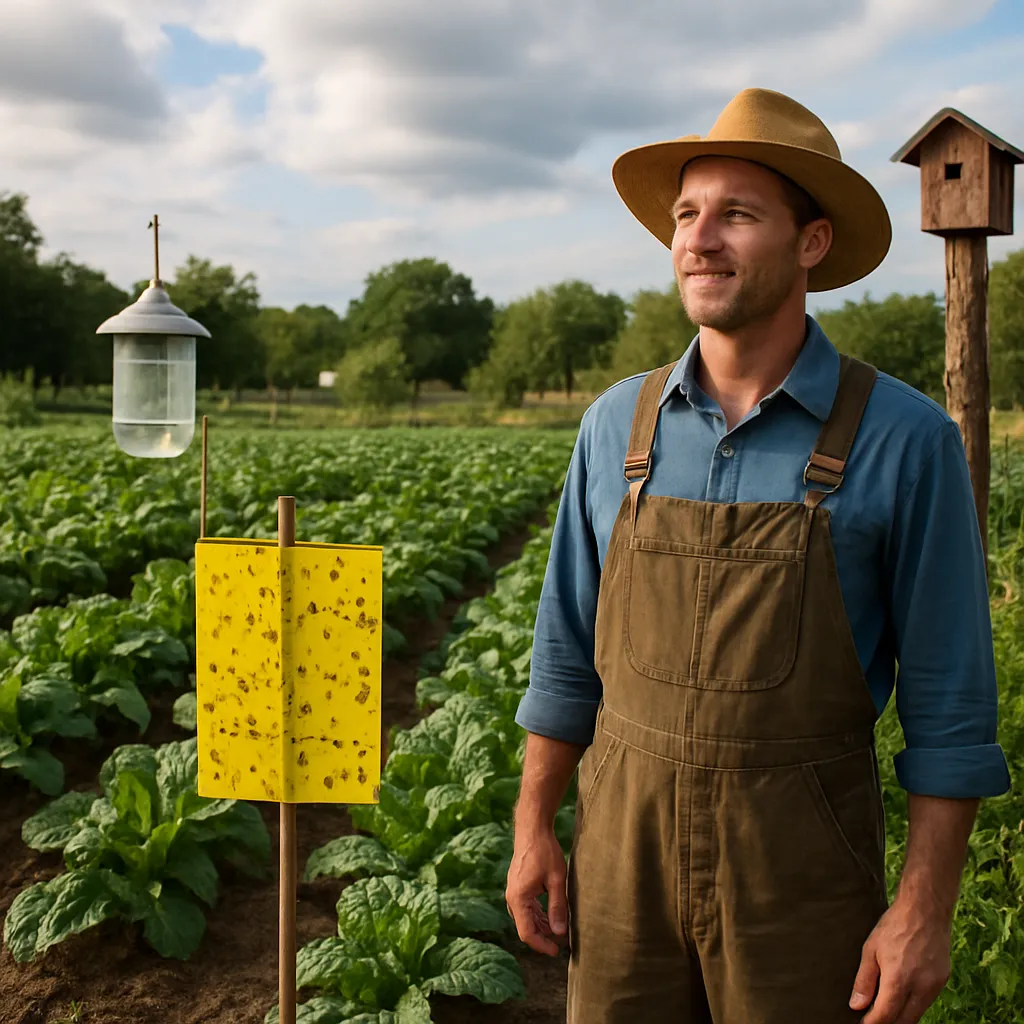
Creating a farm environment resilient to pests demands a well-coordinated approach that blends science and practice. From the selection of robust plant varieties to the careful planning of field operations, each decision contributes to building a pest-resistant agricultural system. This article explores proven tips for farmers aiming to develop a robust defense against unwanted invaders while promoting sustainable productivity and preserving ecological balance.
Crop Rotation and Biodiversity
Implementing an effective crop rotation plan is one of the most impactful strategies to reduce pest populations naturally. By alternating plant families in successive seasons, you create an environment that disrupts pest life cycles and reduces reliance on chemical controls. Introducing diverse species across your fields also enhances biodiversity, improving ecosystem resilience and nurturing beneficial organisms.
- Alternate deep-rooted and shallow-rooted crops to maintain soil health and break pest habitats.
- Include leguminous plants to boost nitrogen levels naturally.
- Intercrop fast-growing vegetables between slower-maturing species to limit pest spread.
- Plan rotations that avoid back-to-back planting of crops from the same family.
Rotational Strategies
Effective rotation systems can range from a simple two-year swap of cereals and legumes to complex multi-year sequences involving cover crops and forage species. Consider the following:
- Seasonal cover crops (like clover or rye) suppress weeds and provide habitat for predators.
- Non-host break crops (e.g., mustard for fungal diseases) interrupt pest reproduction.
- Green manures enrich organic matter and support a thriving microbial community.
By tailoring rotation schemes to local climate and pest pressure, farmers can create a dynamic barrier against pest build-up, reducing outbreaks of nematodes, aphids, and soil-borne pathogens.
Biological Control Methods
Harnessing the power of nature is a cornerstone of integrated pest management. Biological control leverages natural enemies—predators, parasitoids, and pathogens—to maintain pest populations at safe levels.
- Beneficial insects such as lady beetles, lacewings, and predatory mites feed on aphids, whiteflies, and other soft-bodied pests.
- Introducing parasitic wasps can control caterpillar and beetle infestations without harming crops.
- Pathogenic fungi and bacteria, like Beauveria bassiana or Bacillus thuringiensis, target specific pests while leaving non-target species unharmed.
Habitat Enhancement for Natural Predators
Establishing shaded refuges, hedgerows, and flowering strips invites beneficial species to thrive. By planting nectar-rich flowers such as alyssum, buckwheat, and dill along field margins, you ensure a steady supply of pollen and shelter for predators year-round. Consider these tips:
- Maintain small water sources to support insect life cycles.
- Leave patches of undisturbed vegetation as overwintering sites.
- Use organic materials like compost mulch to encourage predatory ground beetles.
When natural enemies become established, they provide ongoing suppression of pest outbreaks, reducing the need for chemical sprays and fostering an ecological balance.
Cultural Practices and Farm Hygiene
Good sanitation and cultural controls minimize pest habitats and interrupt reproduction. Rigorous farm hygiene is non-negotiable for any farmer serious about pest management.
- Remove crop residues and volunteer plants promptly to eliminate breeding grounds.
- Disinfect tools and machinery between fields to prevent disease spread.
- Rotate irrigation patterns to avoid creating damp pockets that encourage fungal growth.
- Implement timely weed control to reduce competition and hideouts for pests.
Optimal Irrigation and Soil Management
Overwatering can weaken plants and invite root pathogens, while underwatering stresses crops and makes them more vulnerable. Strive for balanced moisture levels by:
- Using drip irrigation systems to target the root zone.
- Scheduling watering based on soil moisture sensor data.
- Incorporating organic amendments to improve water retention and aeration.
Maintaining vigorous, healthy plants is your best defense against pest pressure. Regular soil testing and precise nutrient management will keep crops robust and less inviting to attackers.
Physical Barriers, Traps, and Monitoring
Combining preventive barriers with proactive observation ensures that pest incursions are caught early and dealt with effectively. Regular field monitoring allows you to assess pest levels and apply targeted controls only when necessary.
- Install fine mesh screens to exclude flying insects from greenhouses or high-value crop areas.
- Use sticky traps and pheromone lures to detect pest species and track population trends.
- Employ row covers to protect seedlings during vulnerable growth stages.
Surveillance and Decision-Making
Establish a routine scouting protocol, inspecting a representative sample of plants each week. Record pest counts, note beneficial insect activity, and consider weather forecasts when planning interventions. Adopting threshold-based action—only treating when pest levels exceed economic injury points—maximizes cost-efficiency and environmental safety.
Key Principles: early detection, precise intervention, and continual record-keeping equip farmers to make informed decisions that safeguard yields while preserving beneficial fauna.
Integrating Multiple Tactics for Long-Term Success
Rather than relying on a single method, the most effective pest-resistant environments arise from blending cultural, biological, physical, and chemical tactics into a unified strategy. This integrated approach leverages the strengths of each component while minimizing drawbacks. Collaborate with agronomists and extension services to tailor your pest management plan to local conditions and emerging threats.
- Rotate between biological agents and low-toxicity products to prevent resistance.
- Synchronize planting dates and pest pressure forecasts for optimal timing.
- Engage in continuous learning and field trials to refine your system.
By embracing a holistic mindset—where data, ecology, and farm operations converge—you’ll cultivate a resilient, productive, and eco-friendly farm that stands strong against pest challenges.