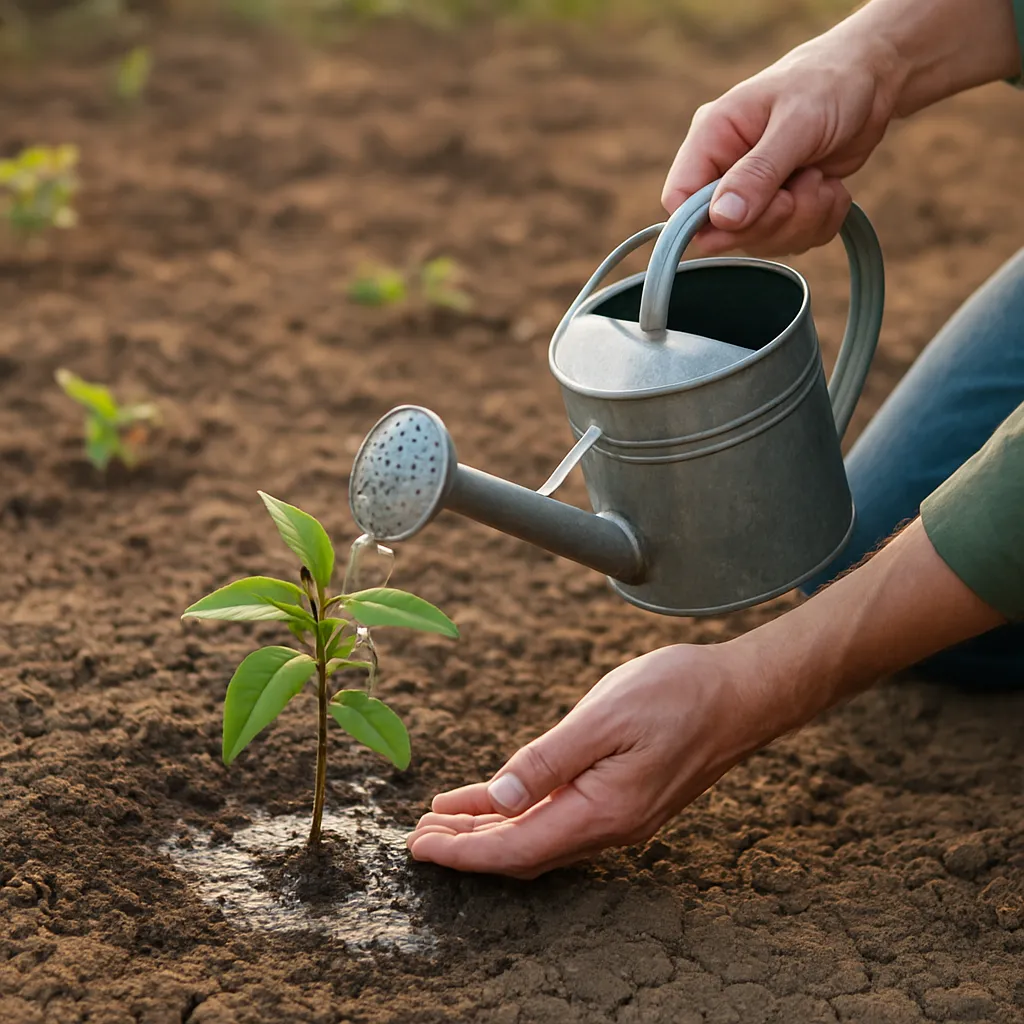
Maintaining optimal soil moisture is crucial for healthy crop growth, especially during periods of limited rainfall. By implementing strategic practices, farmers and gardeners can enhance water availability in the root zone, reduce stress on plants, and promote sustainable yields.
Understanding Soil Moisture Dynamics
Effective soil water management begins with a clear grasp of how water moves and is stored in the ground. Soil moisture refers to the amount of water retained between soil particles and within pore spaces. Proper balance is essential: too little moisture leads to plant wilting, while excess water can cause root diseases.
Soil Texture and Water Holding Capacity
Different soil types—sand, silt, and clay—have varying abilities to hold and transmit water. Sandy soils drain rapidly, reducing retention but increasing aeration. Clay soils, conversely, hold large volumes of water but may impede percolation and oxygen flow. A balanced loam offers the ideal compromise.
Role of Organic Matter
Incorporating organic materials improves soil structure and increases water-holding capacity. Well-decomposed compost enhances pore connectivity, facilitating both infiltration and storage. Organic matter also feeds beneficial microorganisms that aggregate particles into stable crumbs.
Soil Preparation and Amendments
Before the onset of dry spells, proactive soil preparation sets the stage for better moisture conservation. A well-structured soil profile allows roots to access water efficiently and reduces surface runoff.
Deep Tillage and Subsoiling
- Breaking up compacted layers enables deeper water penetration and root growth.
- Subsoiling at a depth of 30–45 cm alleviates plow pans and enhances moisture storage.
Adding Soil Conditioners
- Gypsum can improve structure in sodic soils, reducing surface crusting.
- Biochar application increases water retention and supports microbial life.
Cover Crops as Living Mulch
- Legume cover crops fix nitrogen and create root channels for better water movement.
- Grasses like rye or oats produce biomass that maintains soil cover.
Mulching Techniques for Moisture Conservation
Mulches are one of the most reliable tools to reduce soil water loss by limiting evaporation and suppressing weeds that compete for moisture.
Types of Mulch
- Organic Mulches:
- Straw, wood chips, and leaf litter decompose over time, enriching soil fertility.
- They buffer temperature extremes, keeping soil cooler in summer.
- Inorganic Mulches:
- Gravel or plastic films provide durable barriers against evaporation.
- Reflective plastic mulches can reduce soil heating.
Mulching Best Practices
Apply a uniform layer of organic mulch, 5–10 cm thick, around plants. Maintain a slight gap around stems to prevent rot. Replenish annually as decomposition progresses. Use landscape fabric under heavier mulches to inhibit weed emergence without hindering water absorption.
Irrigation Strategies and Water Management
Targeted water application can greatly improve water use efficiency, reducing waste and ensuring plants receive moisture where they need it most.
Drip and Micro-Irrigation Systems
Drip irrigation delivers water directly to the root zone, minimizing both surface runoff and evaporation. It allows precise scheduling of small volumes, ideal for vegetable gardens and high-value crops.
- Use pressure regulators and filters to prevent emitter clogging.
- Zone the system according to crop water requirements.
Scheduling Based on Soil Moisture Monitoring
Install soil moisture sensors at various depths to track changes between irrigations. Automated controllers can trigger irrigation events when moisture falls below a set threshold, avoiding both under- and over-watering.
Rainwater Harvesting and Supplemental Sources
Collecting roof runoff in cisterns or ponds provides a low-cost irrigation supply. Integrate this with drip lines or sprinklers to stretch municipal or well water during extended drought periods.
Advanced Techniques for Enhanced Water Efficiency
Innovative methods can further optimize moisture availability, often with minimal environmental footprint.
Subsurface Irrigation
- Install porous pipes below the soil surface to deliver water directly to root zones.
- Reduces surface evaporation by up to 70% compared to overhead sprinklers.
Soil Moisture Conservation Additives
- Polymer-based hydrogels absorb and slowly release water, boosting retention in sandy soils.
- Silica-based amendments can improve soil porosity and water-holding traits.
Contour Farming and Terracing
On sloped land, shaping furrows along contour lines slows water flow, encourages infiltration, and minimizes soil erosion. Terraces create flat planting areas, maximizing moisture capture.
Maintaining Long-Term Soil Health
Sustainable moisture management extends beyond individual dry spells. Consistent practices preserve soil vitality and resilience against climate variability.
Crop Rotation and Diversification
- Alternating deep-rooted and shallow-rooted crops helps redistribute moisture and nutrients through the profile.
- Intercropping with drought-tolerant species reduces overall water demand.
Regular Soil Testing
- Analyze soil structure, organic matter content, and salinity to fine-tune amendment strategies.
- Monitor changes in bulk density to detect compaction early.
Preventing Water Loss
- Avoid working wet soils to reduce surface crusting and compaction.
- Maintain ground cover with living mulches or residue to limit runoff during heavy rains.