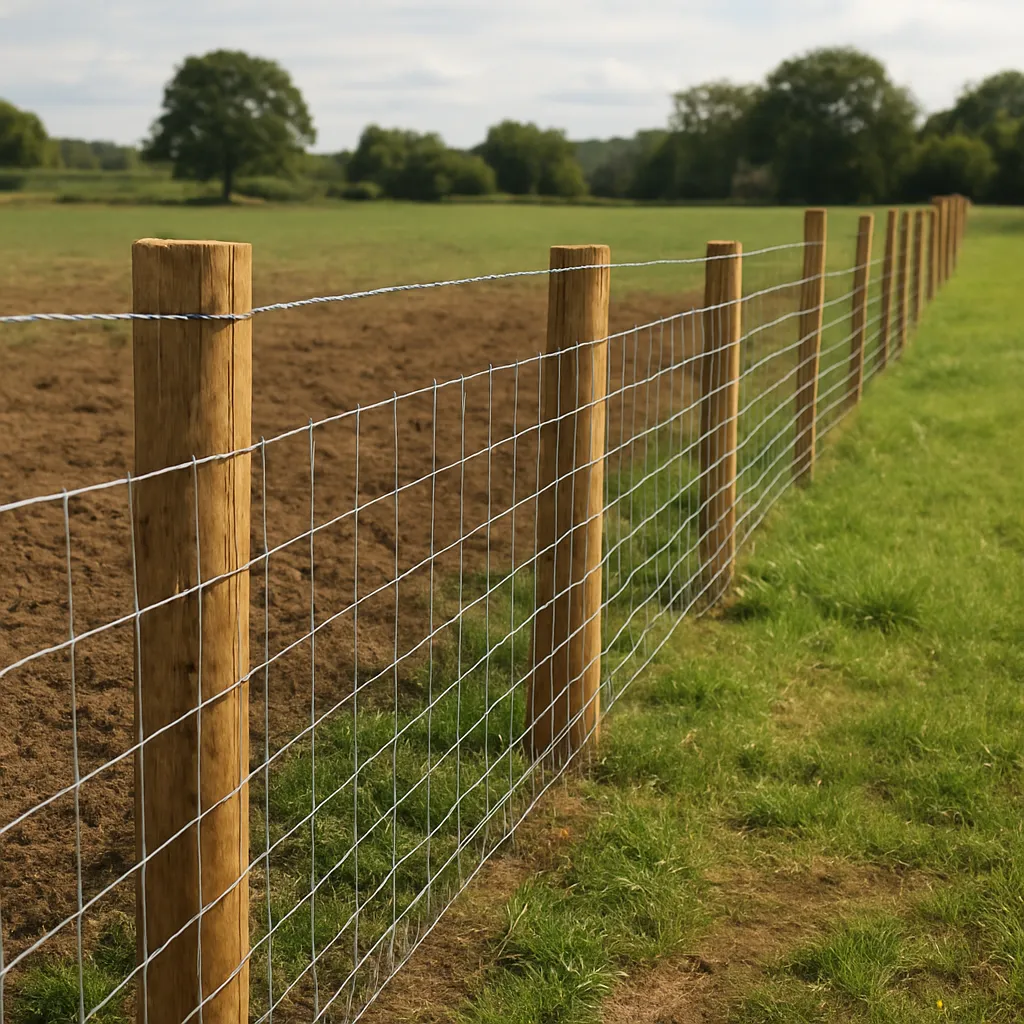
Building a robust and sustainable farm fence takes thoughtful planning, the right choice of materials, and attention to long-term maintenance. A well-designed barrier not only protects livestock and crops but also supports local biodiversity, preserves soil health, and reduces overall costs. This guide walks you through essential steps to create a durable, cost-effective, and resource-efficient fencing solution for your property.
Planning Your Fence Layout
Before you pick up a post driver or unroll wire, take time to assess your land. A solid design phase will help you avoid costly mistakes and ensure optimal performance.
Surveying the Property
- Walk the perimeter and mark high and low spots.
- Note potential obstacles: trees, rocks, drainage channels.
- Identify sensitive areas where wildlife corridors intersect.
Determining Purpose and Height
Clarify whether the fence’s main role is to retain grazing animals, deter pests, or subdivide fields for crop rotation. Typical guidelines:
- Cattle: 48–54 inches high
- Sheep and goats: 36–48 inches high
- Wildlife deterrence: consider electric top strands
Mapping a Cost Estimate
Create a simple spreadsheet detailing:
- Length of each fence segment
- Price per post (wood, steel, composite)
- Wire or panel cost
- Gate hardware and fasteners
Accounting for contingencies (10–15% extra material) helps you stay cost-effective and avoid mid-project delays.
Selecting Eco-Friendly Materials
Choosing the right components is crucial for a fence that endures without harming the environment. Emphasis on recycled or sustainably sourced options can boost overall resource-efficient performance.
Posts: Wood vs. Metal vs. Composite
- Timber posts: Look for certified sustainable wood (FSC). Treat with non-toxic preservatives to resist rot.
- Steel T-posts: Highly durable and recyclable, ideal for rocky soils where digging is difficult.
- Composite posts: Made from recycled plastics, they resist insects and moisture but come at a higher upfront cost.
Fencing Wire and Panels
- High-tensile wire: Thin, strong, and less prone to sagging over time.
- Woven wire mesh: Offers better control for smaller animals like sheep, poultry, or wild game.
- Electric fencing: Provides psychological deterrent; requires power source and regular inspections.
Eco-Conscious Treatments
Avoid creosote or heavy metal-based preservatives. Instead, opt for:
- Water-based stains
- Borate treatments
- Natural oils (linseed, tung oil)
Step-by-Step Construction Process
With materials on hand, focus on proper installation techniques to guarantee longevity and durability.
1. Post Hole Preparation
- Dig holes 1/3 the post length deep for stability.
- Widen the base into a bell shape to lock posts into the ground.
- Add gravel for drainage if needed.
2. Setting Posts in Place
- Position corner and gate posts first, ensuring they are perfectly plumb.
- Use a level and brace posts while concrete or tamped soil sets.
- Line posts every 8–12 feet for high-tensile wire; closer spacing for heavy panels.
3. Attaching Fencing Material
- Start at one end, securing wire or panels to the first post with high-quality staples or clips.
- Use a wire stretcher to remove slack and maintain tension.
- Anchor ends securely at each corner and gate post.
4. Installing Gates and Accessories
- Choose gate sizes to accommodate farm machinery and livestock passage.
- Reinforce posts supporting gates with additional concrete backfill.
- Add tensioning chains or springs if using an electric gate opener.
Maintenance and Environmental Impact
Regular upkeep prevents cost-effective issues from becoming expensive repairs and ensures your farm fence continues to benefit the ecosystem.
Routine Inspections
- Check tension on wires monthly, especially after winter frost or heavy rains.
- Look for broken strands, leaning posts, or rusted fasteners.
- Inspect gate alignment and weld joints.
Repair Techniques
- Spike loose wires back to the post using galvanized staples.
- Replace decayed wooden posts with composite or steel alternatives.
- Tighten or replace rusted clips to maintain full fence integrity.
Enhancing Biodiversity
Integrate wildlife-friendly features without sacrificing security:
- Wildlife crossings: Sections of lower fencing or single-strand top wires allow small mammals and amphibians to pass safely.
- Perch gaps for birds: Leave 4–6 inch openings near the top for raptors to hunt rodents.
- Buffer strips: Plant native shrubs along fence lines to provide food and habitat.
Seasonal Soil and Vegetation Management
- Keep the area adjacent to the fence clear of invasive plants that can compromise posts.
- Use mulch or ground cover to reduce soil erosion around base posts.
- Implement rotational mowing to encourage native grass growth and pollinator presence.
Long-Term Upgrades and Innovations
As technologies advance, consider these options to enhance fence performance and ecological benefits:
Solar-Powered Electric Fences
Integrate solar panels for off-grid energization. Benefits include:
- Reliable power in remote areas
- Reduced carbon footprint
- Easier installation without trenching cables
Biodegradable Fencing Options
For temporary paddocks or rotational grazing, use:
- Biodegradable twine and posts made from fiber composites
- Low-impact anchors that leave the soil intact once removed
Data-Driven Monitoring
Smart sensors can be mounted to detect fence breaches or voltage drops, sending alerts via SMS or integrated farm management software. This approach minimizes downtime and helps maintain optimal fence functionality.