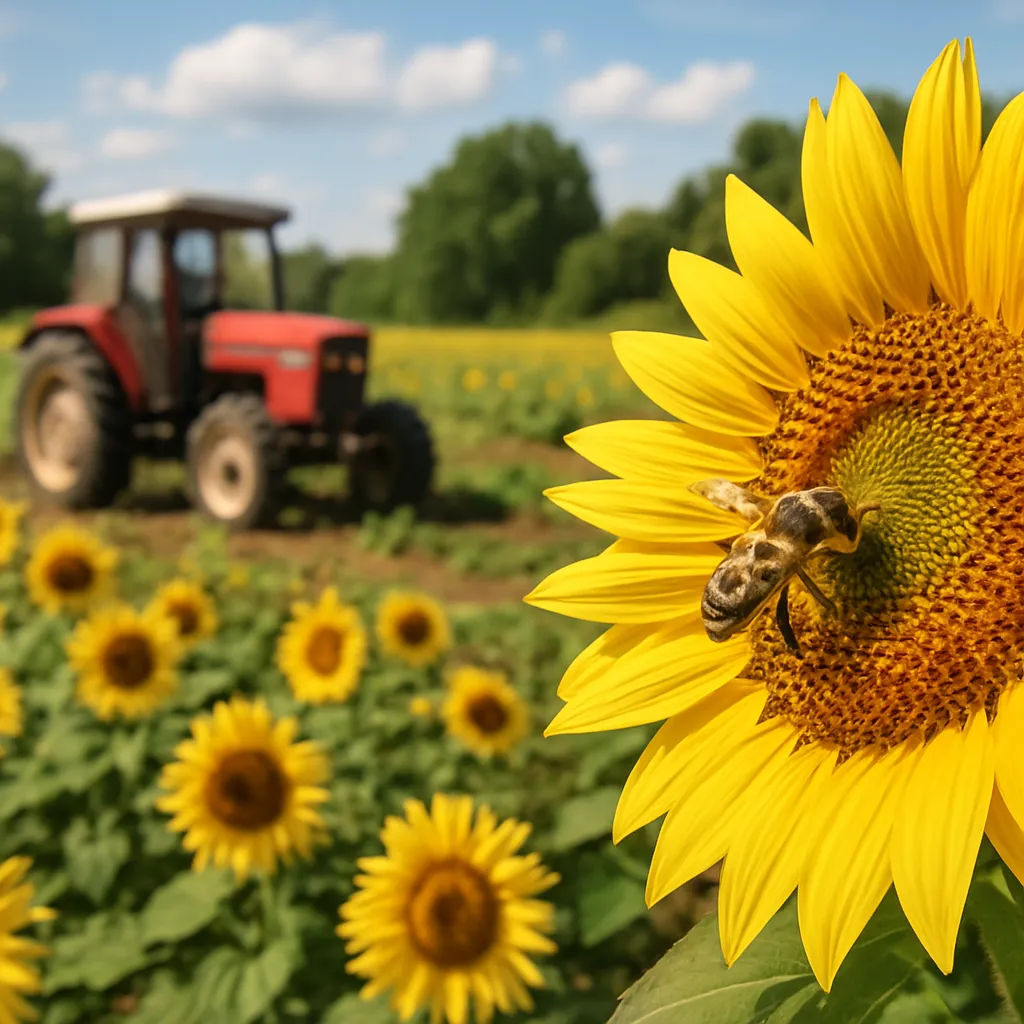
Boosting crop productivity often hinges on effective pollination. Farmers can enhance fruit set, seed production, and overall plant health by understanding pollinator behavior and creating supportive environments. This article explores practical strategies to elevate pollination rates and secure higher yield on your farm.
Understanding the Science of Pollination
Pollination is a crucial ecosystem service that relies on wind, water, or animal agents to transfer pollen between flowers. Most agricultural crops depend on insect pollinators such as bees, butterflies, moths, and beetles. Recognizing their biology and lifecycle helps in tailoring farm practices to boost activity during bloom periods.
Key Pollination Pathways
- Self-pollination: Some plants fertilize themselves without external agents.
- Cross-pollination: Requires movement of pollen from one plant to another, often dependent on bees.
- Wind pollination: Grasses and some trees rely on air currents.
- Water pollination: Rare, but occurs in aquatic plants.
Timing is critical. Aligning bloom periods with peak pollinator presence maximizes fruit set. Maintain a calendar of flowering stages and local insect emergence to coordinate your interventions.
Designing a Pollinator-Friendly Habitat
Creating and preserving a supportive habitat is key to sustaining healthy pollinator populations year-round.
Plant Diversity and Floral Resources
- Include native wildflowers to ensure a continuous supply of nectar and pollen.
- Establish multi-species flower strips along field margins that bloom sequentially.
- Rotate cover crops like clover or vetch, which double as green manure and bee forage.
Patchy landscapes that integrate meadows, woodlots, and hedgerows foster higher species richness. Such refuges shield insects from harsh weather and offer overwintering sites.
Optimizing Farm Management Practices
Farm operations directly impact pollinator health. Thoughtful adjustments can mitigate risks and encourage robust activity.
Pesticide Management and Integrated Pest Control
- Adopt an Integrated Pest Management (IPM) program to reduce chemical usage.
- Apply insecticides only when necessary and choose selective products with minimal impact on bees.
- Avoid spraying during bloom or when pollinators are most active, typically mid-morning and early afternoon.
Record all chemical applications and monitor pollinator responses to refine your approach.
Hive Placement and Apiary Practices
- Position managed hive colonies at strategic intervals, ideally every 1–2 acres for high-value fruit blocks.
- Provide clean water sources nearby, such as shallow trays with pebbles to prevent drowning.
- Rotate hive installations based on bloom sequence to ensure continuous pollinator presence.
Leveraging Advanced Techniques and Technology
Modern tools and tactics can further enhance pollination efficiency and farm stewardship.
- Utilize remote sensors and heat mapping to track bloom progress and pollinator activity hotspots.
- Install bat boxes or insect hotels to diversify your pollinator community beyond bees.
- Participate in citizen-science networks to share data on regional pollinator populations.
Leveraging drone-based surveys can reveal areas with suboptimal biodiversity or identify pest hotspots without disturbing beneficial insects.
Periodic soil tests also inform you about nutrient levels affecting floral quality, indirectly influencing pollinator attraction. Inoculating seeds with beneficial microbes can bolster plant vigor during bloom.
Introducing shelterbelts and windbreaks reduces wind stress on blossoms and slows pesticide drift into pollinator corridors. This simple design tweak improves pollen transfer and supports an overall healthier ecosystem.
Ultimately, balancing efficient crop production with conscientious pollinator care yields sustainable returns. By integrating diverse habitats, judicious chemical use, and innovative monitoring tools, you can secure stronger pollination outcomes that benefit both your farm and the wider environment.