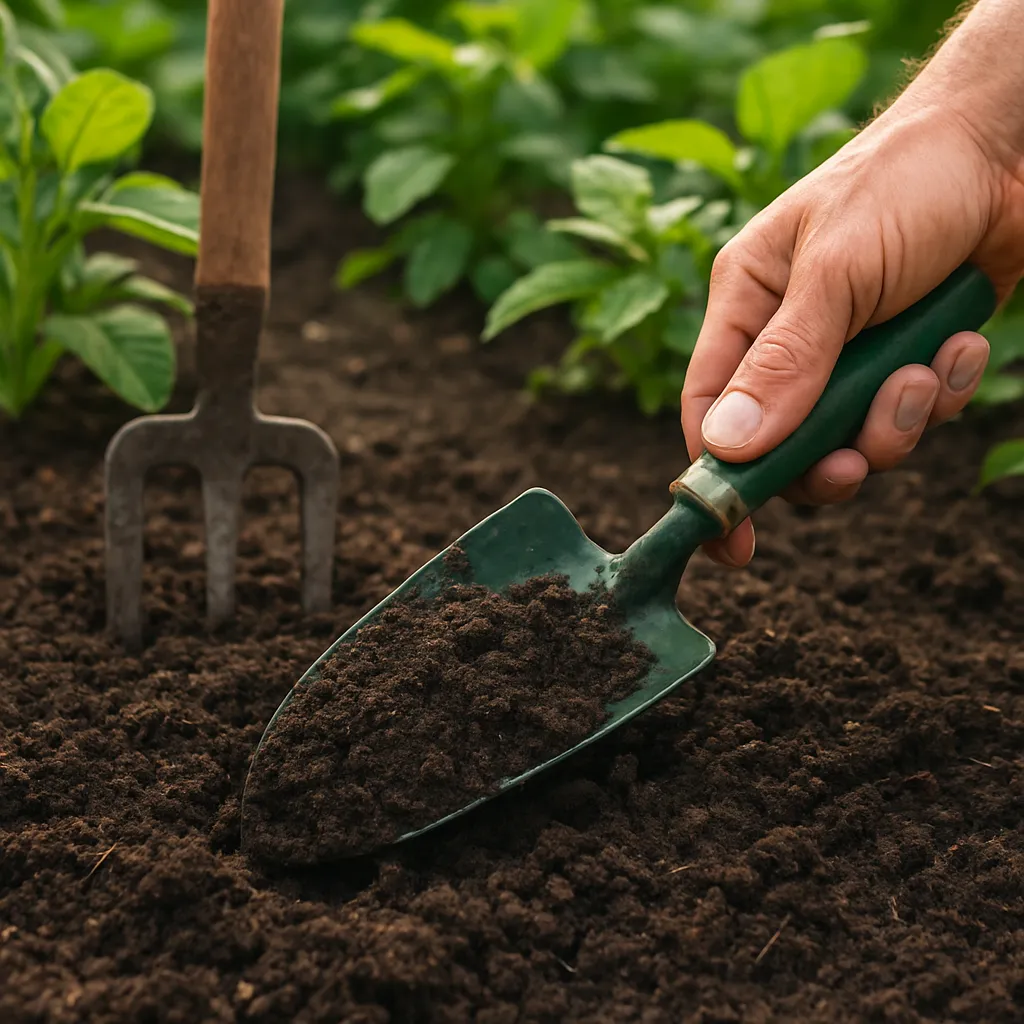
Ensuring your garden or field has well-aerated soil is essential for robust plant growth and sustainable yields. When soil becomes compacted, roots struggle to penetrate, water pools on the surface, and beneficial microbes decline. By adopting natural strategies, you can improve porosity and oxygen flow without resorting to heavy machinery or chemical treatments.
Understanding Soil Structure and the Role of Aeration
Healthy soil has a balanced mix of solid particles, pore spaces, and organic components. Good aeration means there are enough air pockets to allow roots to grow freely and absorb nutrients. Compacted soil lacks these spaces, creating anaerobic zones where plant growth slows and disease pressure increases. Proper drainage and gas exchange encourage a thriving population of microorganisms that break down organic residue and release valuable nutrients.
- Pore Size: Larger pores facilitate water movement, while smaller pores retain moisture.
- Bulk Density: Lower density usually indicates better aeration and less compaction.
- Aggregate Stability: Well-formed aggregates resist erosion and sustain air channels.
Incorporating Organic Matter to Boost Porosity
Adding organic matter such as compost, aged manure, or leaf mulch is one of the most effective natural methods to improve soil structure. Organic inputs increase aggregation, reduce bulk density, and nourish the soil food web.
- Compost Application: Spread a 2–4 inch layer of mature compost on top of planting beds and gently work it into the upper soil layer.
- Green Manure: Grow plants like legumes, then chop and incorporate them before flowering to add fresh biomass.
- Worm Castings: Introducing earthworms or applying their castings can greatly enhance aeration and nutrient cycling.
Regular additions of organic materials also help maintain balanced moisture levels. When organic matter decomposes, it creates stable aggregates that hold air and water, reducing the risk of compaction after heavy rain or irrigation.
Implementing Cover Crops and Crop Rotation
Using cover crops is a dynamic, living solution to compaction and poor soil health. Their root systems create natural channels that persist after decomposition, facilitating future root growth and water movement.
Key Cover Crop Species
- Legumes (e.g., clover, vetch) fix nitrogen and enhance fertility.
- Grasses (e.g., rye, barley) develop strong fibrous roots that break up hardpan layers.
- Brassicas (e.g., radish, mustard) have taproots that penetrate deep compaction zones.
Rotate these crops annually to target different soil layers, prevent disease buildup, and sustain a diverse ecosystem of beneficial organisms. After termination, leave residues on the surface as a mulch, further preserving moisture and preventing erosion.
Adopting No-Till and Reduced Tillage Practices
Conventional plowing and deep tillage can temporarily relieve compaction but often result in long-term degradation of soil structure. Adopting no-till or reduced-till methods helps preserve natural aggregates and the network of pores created by roots and organisms.
- Strip Tillage: Disturb only narrow rows where seeds will be placed, leaving inter-rows intact.
- Zone Tillage: Loosen deeper compaction bands while maintaining surface residue.
- Direct Seeding: Use specialized equipment to plant through existing plant residues without prior inversion.
Over time, reduced disturbance leads to increased earthworm activity, stable aggregate formation, and a resilient soil ecosystem capable of self-regulating aeration and moisture levels.
Maintaining Long-Term Soil Health Through Mulching
Applying a protective layer of mulch around plants moderates temperature extremes, retains moisture, and prevents surface crusting. Organic mulches gradually incorporate into the soil, feeding microbes and improving texture.
- Wood Chips and Bark: Excellent for perennials and orchards; decompose slowly.
- Straw and Hay: Ideal for annual vegetable beds; break down readily.
- Grass Clippings and Leaves: Readily available from yards; best applied in thin, alternating layers.
Mulches also suppress weeds that compete for nutrients and water. As they decompose, they contribute compost-like benefits, boosting both aeration and fertility.
Monitoring Soil Aeration and Drainage
Regular assessment helps you identify compaction hotspots and adjust management accordingly. Simple tests include:
- Spade Test: Dig a small hole and observe root penetration and soil layering.
- Penetrometer: Measure resistance to root growth at various depths.
- Visual Inspection: Look for standing water, crusting, or poor seed germination.
Combine these observations with soil moisture measurements to determine if you need additional organic inputs, cover cropping, or changes in irrigation scheduling. Over time, your efforts will foster a self-sustaining system with optimal drainage and gas exchange, leading to healthier plants and greater yields.