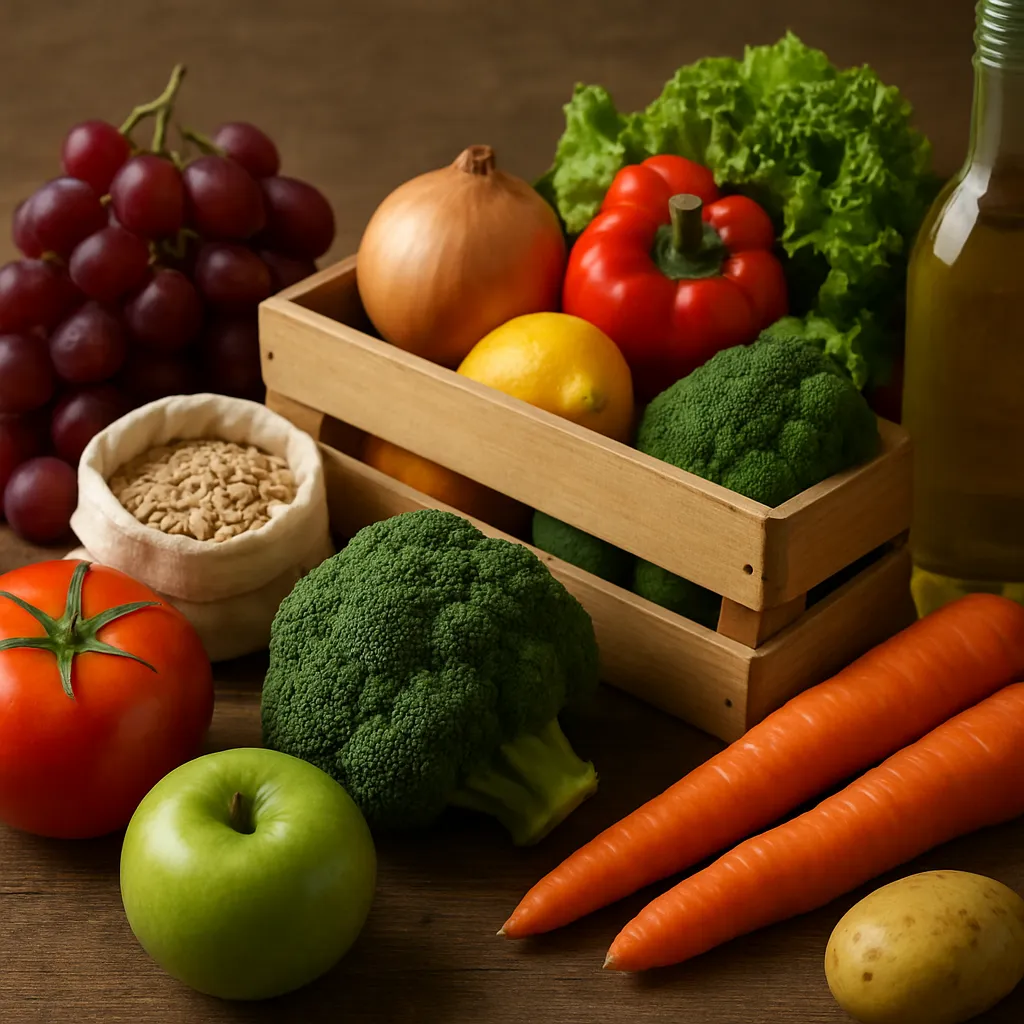
Improving the quality and extending the shelf life of crops involves a combination of precise on-field practices, careful postharvest handling, and innovative technologies. By focusing on critical factors—from soil preparation to advanced preservation methods—growers can maximize yield, reduce waste, and deliver superior produce to markets.
Understanding the Foundations of Crop Quality
Assessing Soil Health
High-quality produce starts with healthy soil. Conduct regular soil tests to determine pH, texture, organic matter, and macro- and micronutrient levels. Maintaining a balanced nutrient profile supports robust plant growth and improves resistance to pests and diseases.
- Test cycles: schedule a comprehensive soil analysis every 2–3 years and quick checks annually.
- Organic amendments: incorporate compost or green manure to enhance structure and microbial activity.
- pH management: apply lime or sulfur to adjust acidity, aiming for a pH range of 6.0–7.0 for most crops.
Balancing Nutrient Supply
Proper fertilization ensures that crops receive essential elements. Employ both soil-applied and foliar-applied fertilizers to address deficiencies quickly. Key considerations include:
- nutrients ratio: maintain optimal nitrogen-phosphorus-potassium (N-P-K) proportions based on crop requirements.
- Secondary elements: monitor calcium, magnesium, and sulfur for cell wall strength and enzyme function.
- Micronutrients: chelated iron, zinc, and boron can correct subtle deficiencies that impact fruit quality.
Optimizing Agricultural Practices
Efficient Irrigation Strategies
Water management directly influences yield and postharvest longevity. Employ drip or micro-sprinkler systems to deliver water precisely, reducing disease risk from surface moisture.
- irrigation scheduling: use soil moisture sensors and weather forecasts to water only when necessary.
- Deficit irrigation: for certain fruit, controlled water stress near maturity can concentrate sugars and improve flavor.
- Mulching: organic or plastic mulches conserve moisture, suppress weeds, and moderate soil temperature.
Climate and Microclimate Control
Tailoring growing conditions enhances quality traits like color, size, and firmness. Techniques include:
- Shade nets: reduce excessive solar radiation in hot climates, preventing sunscald.
- Windbreaks: establish hedgerows or fences to shield crops from desiccating winds.
- climate monitoring: deploy sensors for temperature, humidity, and light intensity to guide interventions.
Pest and Disease Management
Sustainable protection strategies lower chemical residues and improve marketability. Integrate:
- Biological controls: release predatory insects or use microbial biofungicides.
- Crop rotation: break pest cycles and reduce soil-borne diseases.
- Resistant cultivars: choose varieties bred for tolerance to common pathogens.
Advanced Techniques for Shelf Life Extension
Harvest Timing and Handling
Optimal harvest maturity ensures peak nutritional and sensory qualities. Factors to consider:
- Ethylene sensitivity: pick ethylene-producing crops at mature-green stage to slow ripening during transit.
- Mechanical damage: use cushioned bins and gentle conveyance systems to avoid bruising.
- Rapid cooling: implement forced-air or hydro-cooling within two hours of harvest to arrest respiration.
Temperature and Humidity Management
Postharvest storage hinges on precise climate control:
- temperature regimes: maintain near-optimal cold storage (0–4 °C for most vegetables, 4–7 °C for fruits).
- humidity control: keep relative humidity at 85–95 % to minimize water loss without encouraging mold.
- Modified Atmosphere Storage: adjust oxygen and carbon dioxide concentrations to slow metabolic rates.
Packaging Innovations
Packaging not only protects but also regulates the microenvironment around the product. Modern options include:
- packaging films with selective gas permeability for delayed ripening.
- Biodegradable trays and nettings to reduce environmental footprint.
- Active packaging: sachets absorbing ethylene or releasing antimicrobial compounds.
Innovations and Future Trends
Biotechnology and Genetic Improvements
Advances in biotechnology are enabling the development of cultivars with enhanced shelf life and stress tolerance. Techniques include marker-assisted selection and CRISPR gene editing, targeting traits such as:
- Delayed ripening genes for extended storage potential.
- Enhanced antioxidant profiles to slow cellular breakdown.
- Improved cuticle thickness for reduced water loss.
Smart Farming and Data Analytics
Precision agriculture platforms integrate sensors, drones, and AI-driven analytics to optimize every stage:
- Real-time soil and plant health monitoring to tailor interventions.
- Predictive models for harvest scheduling and shelf life estimation.
- Traceability systems ensuring transparency from field to consumer.
Sustainable and Organic Approaches
Meeting rising consumer demand for eco-friendly produce involves:
- Reducing chemical inputs through integrated pest management.
- Implementing water-saving technologies and renewable energy for on-farm operations.
- Certifications and labeling that communicate quality and environmental stewardship.
Emerging Preservation Technologies
Future postharvest solutions may include:
- Nanotechnology-based coatings for antimicrobial protection.
- Ultrasound and pulsed-light treatments to sterilize surfaces without heat damage.
- Edible films infused with natural preservatives like essential oils.
By integrating these principles—grounded in traditional agronomy yet enhanced by cutting-edge innovation—growers can significantly boost crop quality, reduce losses, and extend shelf life. Embracing a holistic approach ensures that produce reaching consumers is not only fresh and flavorful but also safe and sustainable for the planet.