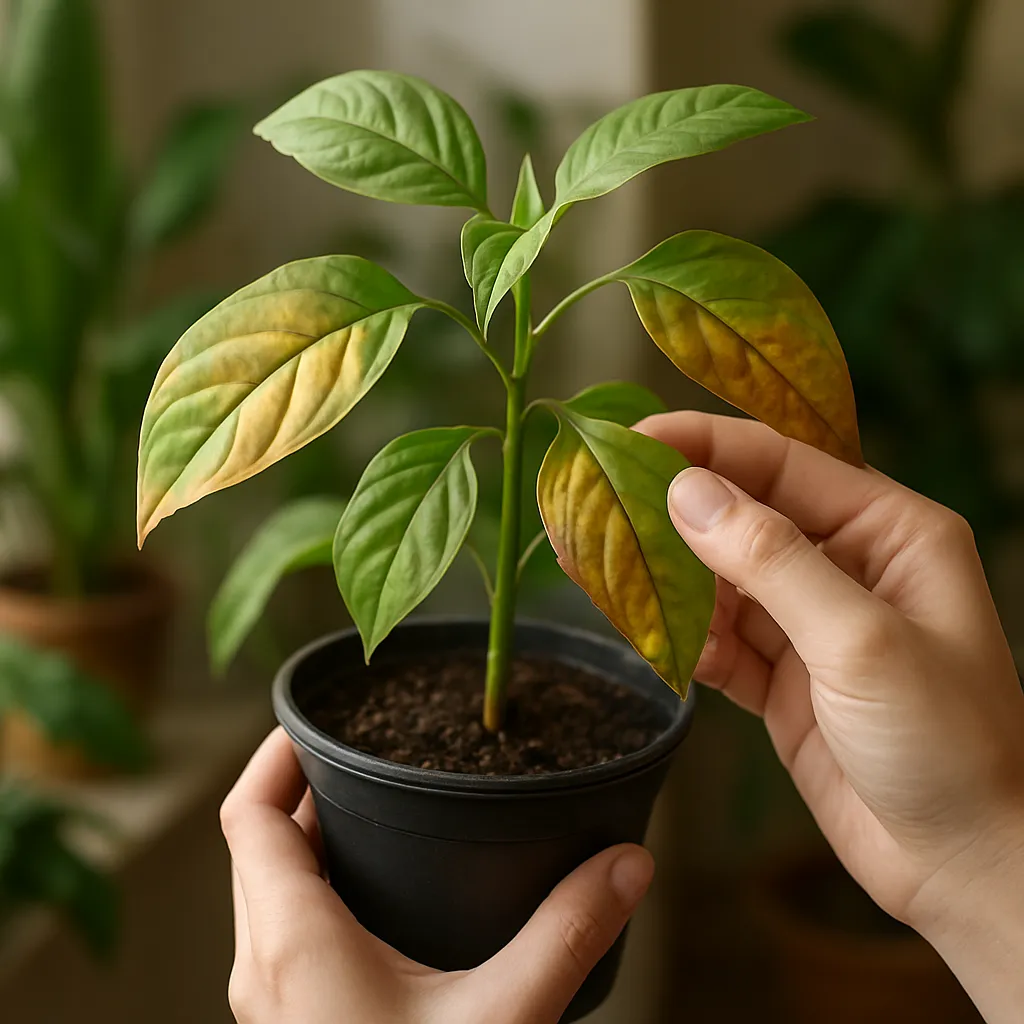
Healthy plants are the cornerstone of productive agriculture, yet stress factors often undermine their vitality before symptoms become obvious. By recognizing early warning signs, growers can intervene promptly to prevent yield losses. This article explores key indicators of plant stress, from environmental triggers to physiological responses, and presents practical strategies for monitoring and mitigation.
Environmental Indicators of Stress
External conditions play a pivotal role in plant health. Changes in weather patterns, soil quality, and surrounding biotic factors can induce subtle stress long before wilting appears. Monitoring these parameters helps anticipate issues and maintain optimal growth.
Temperature Extremes
Plants thrive within a specific thermal range. Prolonged exposure to suboptimal temperatures can disrupt photosynthesis and enzyme activity. Key signs include:
- Leaf scorch or browning at margins when daytime highs exceed tolerance.
- Slow growth or leaf drop during cold snaps that inhibit cellular processes.
Water Availability
Both water deficit and waterlogging can trigger stress responses. Over time, inadequate moisture leads to dehydration, while saturated soils suffocate roots. Early warnings include:
- Differing soil moisture readings across the field, suggesting uneven irrigation or drainage issues.
- Increased leaf temperature detected with infrared sensors, indicating reduced transpiration.
Soil Quality and Nutrient Availability
Soil conditions directly influence plant vigor. Imbalances in macro- and micronutrients, pH fluctuations, or compaction can stress roots and reduce nutrient uptake.
- Patchy growth patterns pointing to localized nutrient deficiencies.
- Soil tests revealing high pH that locks out phosphorus or low pH that releases toxic metals.
Biotic Pressures
Pests, pathogens, and competing weeds introduce competition and damage that stress plants. Monitoring pest populations and disease incidence helps in early detection:
- Sticky traps or pheromone lures identifying emerging insect threats.
- Remote sensing data highlighting hot spots of pathogen spread or weed proliferation.
Physiological and Visual Symptoms
Once environmental thresholds are breached, plants exhibit distinctive physiological changes. Recognizing these symptoms allows for targeted interventions before irreversible damage occurs.
Leaf Discoloration Patterns
Chlorophyll degradation manifests as color changes. The nature and location of discoloration can pinpoint specific stressors:
- Chlorosis: Uniform yellowing typically indicates iron deficiency or waterlogged roots.
- Interveinal yellowing often signals magnesium or manganese shortage.
- Tip burn or necrosis suggests salinity stress or calcium deficiency.
Wilting and Turgor Loss
Wilting reflects a failure to maintain internal water pressure. When stomatal conductance falls below a threshold, leaves droop and become limp:
- Morning recovery followed by midday wilting implies high evaporative demand or root restriction.
- Permanent wilting point signals irreversible damage if water supply is not restored.
Stunted Growth and Reduced Biomass
Developmental delays often precede visible distress. Key indicators include:
- Shortened internodes and reduced leaf area index under nutrient or light limitation.
- Lower root-to-shoot ratio reflecting restricted root expansion caused by compaction or pathogens.
Premature Senescence
Early leaf drop or flowering suggests that plants are reallocating resources to complete their life cycle under duress. Watch for:
- Abscission layer formation at leaf petioles under hormone imbalances.
- Accelerated fruit ripening when plants experience heat or drought stress.
Monitoring and Mitigation Strategies
Effective management relies on combining observation with technology. Implementing continuous monitoring and informed interventions can alleviate stress and sustain high yields.
Regular Field Scouting
Systematic visual inspections remain invaluable. During scouting, pay attention to:
- Uniformity of plant height, color, and vigor across plots.
- Evidence of pest activity such as chew marks or honeydew deposits.
Sensor-Based Technologies
Integrating sensors provides real-time insights into plant and soil conditions:
- Soil moisture probes that track volumetric water content at root depth.
- Leaf wetness sensors aiding in disease risk modeling by quantifying surface humidity.
- Infrared thermography to pinpoint hotspots of water stress before wilting.
Nutrient Management and Soil Amendments
Corrective measures based on soil test data ensure balanced nutrition:
- Applying slow-release fertilizers to prevent nutrient imbalance and leaching losses.
- Incorporating organic matter like compost to enhance structure and cation exchange capacity.
- Adjusting pH with lime or sulfur to optimize nutrient availability.
Water Management Practices
Optimizing irrigation and drainage reduces hydric stress:
- Drip or micro-sprinkler systems delivering precise volumes to root zones.
- Constructing raised beds or installing subsurface drains in waterlogged fields.
- Applying mulch to conserve soil moisture and moderate temperature extremes.
Integrated Pest and Disease Control
Addressing biotic stressors requires a holistic approach:
- Introducing beneficial insects to curb pest populations naturally.
- Applying targeted biopesticides or fungicides guided by threshold-based warnings.
- Rotating crops and using resistant varieties to break disease cycles.
Climate-Adaptive Practices
As climate variability intensifies, adopting resilient systems is crucial:
- Selecting drought-tolerant or heat-resistant cultivars to withstand extremes.
- Implementing agroforestry and windbreaks to buffer microclimate fluctuations.
- Employing cover crops that improve soil health and moisture retention.
By honing observation skills and leveraging advanced tools, growers can detect subtle stress signals early. Proactive interventions not only preserve plant health but also optimize resource use and support sustainable agricultural productivity.