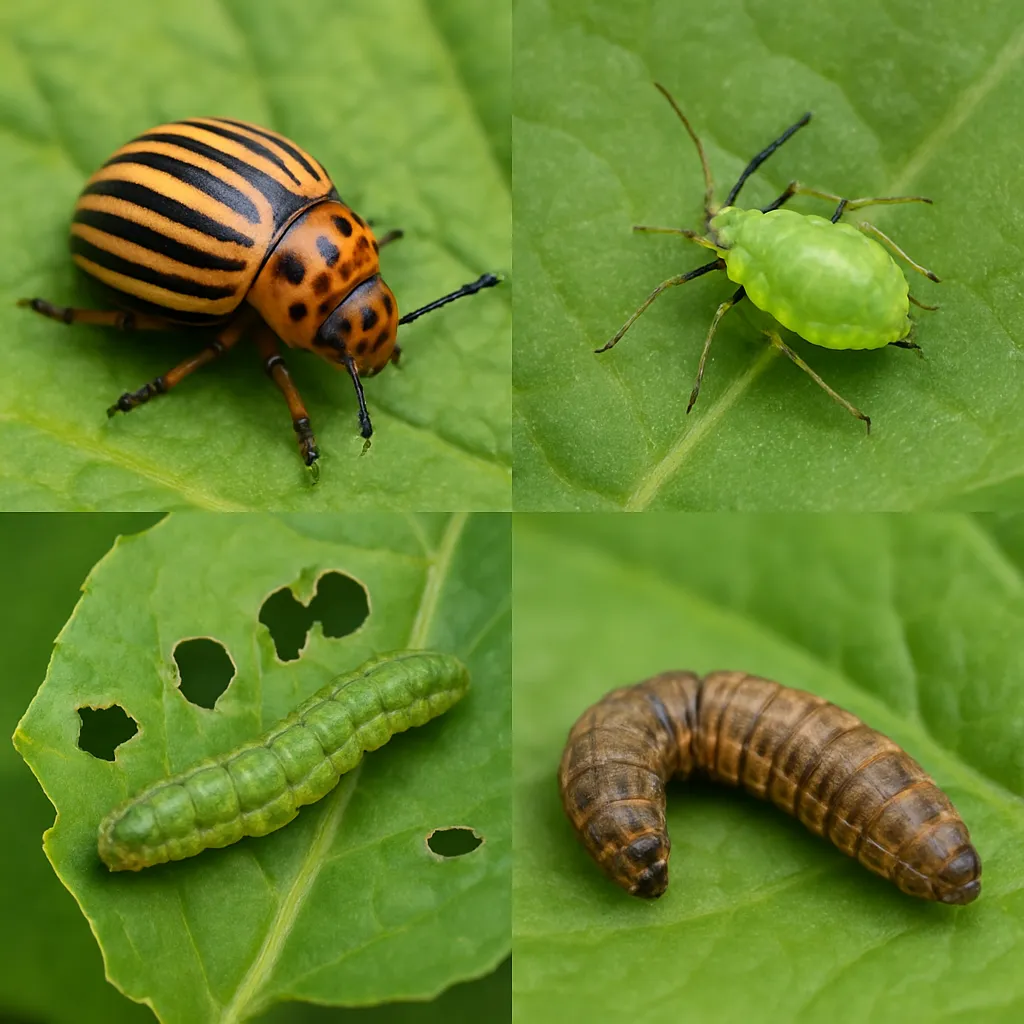
Effective crop management relies heavily on early detection and targeted interventions. Farmers who master the art of identifying pest problems can minimize yield losses and reduce reliance on harsh chemicals. This guide offers practical insights into common crop pests, their symptoms, and the best monitoring techniques to safeguard your fields.
Understanding Pest Life Cycles and Behaviors
Every pest undergoes a series of stages from egg to adult, and knowledge of these stages is crucial for timing control measures. Monitoring life cycles allows you to intervene when pests are most vulnerable. Pay special attention to:
- Egg laying periods—when targeted treatments can prevent population booms
- Larval or nymph stages—when feeding damage starts, often before adult pests become visible
- Reproductive thresholds—critical points at which one female can spawn hundreds of offspring
By learning about the behaviors and habitat preferences of pests—such as their favored host plants, hiding spots, and feeding times—you can refine your monitoring schedule and reduce unnecessary interventions.
Scouting Strategies: Effective Field Monitoring
Regular field scouting is the foundation of integrated pest management. Systematic checks enable you to detect small infestations before they explode into major problems. Key components of an efficient scouting program include:
- Random sampling across different field zones to capture pest distribution
- Use of sticky traps and pheromone lures to gauge population monitoring
- Recording pest counts and damage levels to determine action threshold levels
Scouting Tools and Techniques
- Sweep nets for collecting flying insects in cereals, legumes, and vegetables
- Colored sticky traps for small, mobile pests like whiteflies and thrips
- Visual inspection of leaf undersides, leaf axils, and soil surface for hidden eggs and larvae
Establish a baseline pest count at the season’s start. This accurate record makes it easier to spot population spikes that warrant intervention.
Visual Clues: Recognizing Damage Patterns
Certain pests leave distinctive marks on plants. Learning to associate damage types with specific pest groups can speed up identification and response:
Leaf Damage
- Chewed margins or holes: often caused by caterpillars or beetles
- Yellow stippling or tiny white spots: typical of spider mites
- Curled or distorted leaves: aphid feeding and virus transmission symptoms
Stem and Root Issues
- Wilting despite adequate moisture: root-knot nematode damage
- Entry holes with frass (sawdust-like droppings): stem-boring larvae such as corn borer or weevil
- Soft, sunken cankers on stems: bacterial or fungal secondary infections following pest injury
Fruit and Seed Symptoms
- Scarring and deformities: thrips or fruit fly larvae feeding inside developing fruit
- Premature fruit drop: heavy infestation by sucking insects like mirids or stink bugs
- Stunted kernel development: aphid-transmitted viruses in grains
Identifying Key Pest Groups
Accurate visual identification helps tailor control to the pest’s biology. Here are profiles of some valuable pest categories:
Aphids
- Small, soft-bodied, often green but also black or red
- Cluster on new shoots and leaf undersides
- Transmit viruses; excrete sticky honeydew promoting sooty mold
Spider Mites
- Microscopic arachnids visible as tiny dots or webs
- Favor hot, dry conditions; cause stippling and bronzing
- Rapid reproduction leads to quick escalation
Caterpillars and Worms
- Larval stage of moths and butterflies
- Chew leaves, bore into stems, or tunnel within fruit
- Control through biological control agents like Bacillus thuringiensis (Bt)
Beetles
- Diverse group: Colorado potato beetle, cucumber beetle, weevils
- Adults chew foliage; larvae may feed on roots or tubers
- Resistance issues demand rotating control methods
Nematodes
- Microscopic roundworms attacking roots
- Cause galls, poor nutrient uptake, and stunting
- Soil testing is essential for detection; require cultural controls
Implementing Control Measures
Once pests are identified, selecting the right combination of tactics is key. Overreliance on any single method can lead to resistance and environmental harm. Core strategies include:
- Crop rotation to interrupt pest life cycles and reduce soil-borne pest buildup
- Introduction of beneficial insects like lady beetles, lacewings, and predatory mites
- Targeted use of chemical pesticides only when pest levels exceed economic thresholds
- Physical barriers such as row covers, sticky bands, and trap crops to deter pests
Biological vs. Chemical Control
Biological approaches harness natural enemies and tend to be more sustainable, while chemical options offer swift knockdown of high infestations. Integrating both reduces environmental impact and maintains long-term control.
- Timing is critical: apply biological agents when pest populations are low
- Rotate pesticide modes of action to prevent resistance
- Combine mechanical removal (handpicking, pruning) with targeted sprays
Preventive Cultural Practices
- Maintain field hygiene: remove crop residues that harbor pests
- Use certified pest-free seeds and transplants
- Optimize planting dates to avoid peak pest emergence