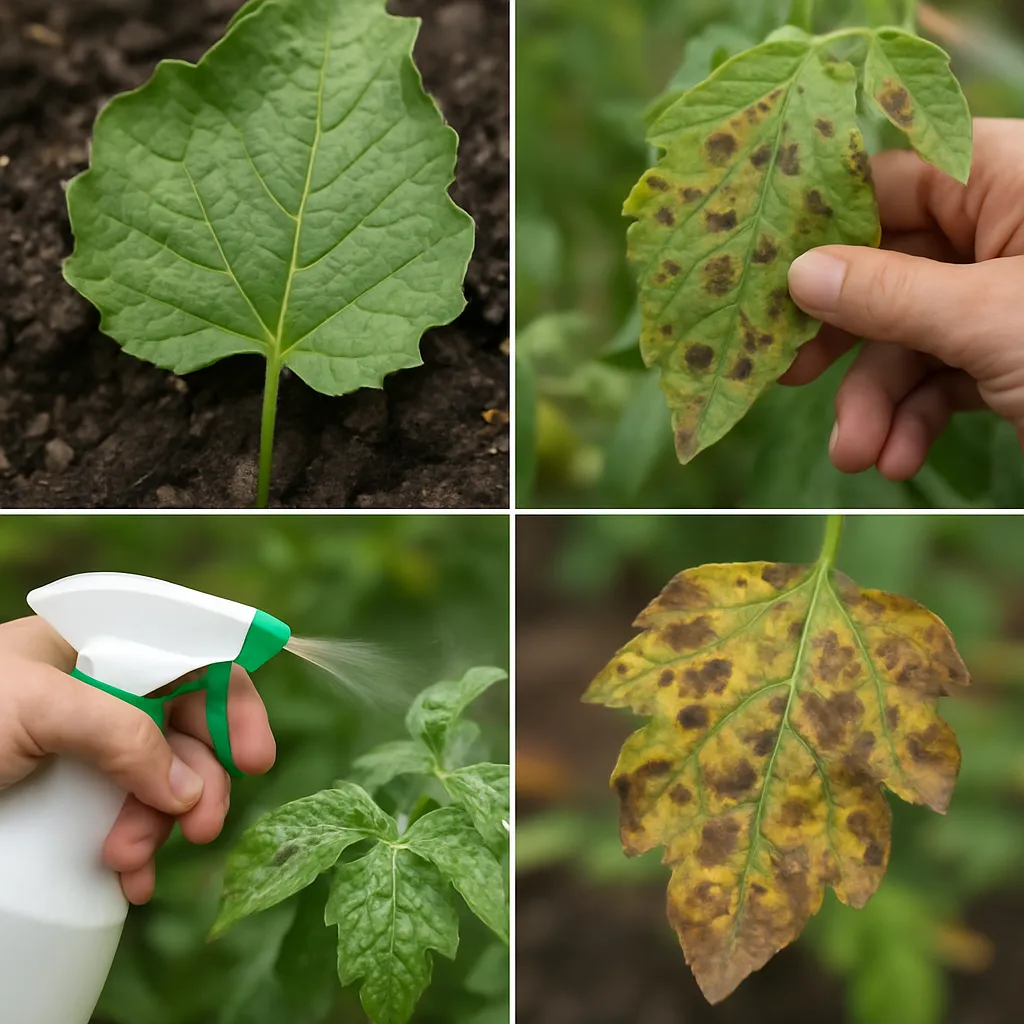
Maintaining a healthy garden or crop field requires more than just regular watering and fertilizing. Plant fungal diseases can quickly undermine months of hard work, leading to reduced yields and unsightly damage. By understanding how to spot early warning signs, applying targeted treatments, and implementing preventive measures, growers can protect their plants and ensure robust growth throughout the season.
Plant Fungal Diseases: Recognizing the Warning Signs
Fungal infections thrive in warm, humid environments, making many regions especially susceptible. Early detection is key: once a disease takes hold, containment becomes much more challenging. Look for the following symptoms on leaves, stems, flowers, and roots:
- Powdery mildew: White, powdery patches on leaf surfaces that eventually coalesce and defoliate plants.
- Downy mildew: Grayish or purplish fuzzy growth on the underside of leaves, often paired with yellow spots above.
- Leaf spots: Circular or irregular brown, black, or tan lesions bordered by a yellow halo.
- Rust: Orange, rust-colored pustules erupting on leaf undersides and stems, shedding spores when disturbed.
- Root rot: Wilting, yellowing foliage accompanied by mushy, discolored roots that emit a foul odor.
Some pathogens spread rapidly from plant to plant, carried by wind, rain splash, or contaminated tools. Monitor crops frequently and remove the most severely affected specimens to reduce inoculum levels.
Accurate Diagnosis: Tools and Techniques
Proper identification of the causal organism is crucial for selecting an effective treatment. Several approaches can help confirm a diagnosis:
- Visual assessment under a hand lens or portable microscope to observe spore structures, hyphae, and reproductive bodies.
- Field test kits that detect specific fungal antigens or DNA fragments, providing results within hours.
- Laboratory cultures grown on selective media, which isolate the fungus and allow for detailed morphological study.
- Mobile apps and online databases that match uploaded images of symptoms to known diseases, offering guidance on next steps.
When in doubt, send plant tissue samples to a plant pathology lab. Expert analyses can differentiate between similar-looking diseases (for example, downy mildew vs. nutrient deficiency) and recommend targeted interventions.
Treatment Options: Chemical and Organic Solutions
Once a fungal infection is confirmed, growers have multiple control measures at their disposal:
- Chemical fungicides: Systemic products (e.g., triazoles, strobilurins) penetrate plant tissues, protecting new growth, while contact fungicides (e.g., chlorothalonil, mancozeb) coat leaf surfaces to prevent spore germination.
- Biological agents: Beneficial microbes such as Trichoderma spp. or Bacillus subtilis compete with pathogens and induce plant resistance.
- Organic treatments: Solutions like neem oil, baking soda mixtures, potassium bicarbonate, and copper sprays offer low-toxicity alternatives for home gardens.
- Heat therapy: Soil steaming or solarization can reduce fungal inoculum in field beds and containers before planting.
Always follow label directions for dosage and application timing. Rotate fungicide classes to prevent the development of resistant pathogen strains. For biological products, maintain optimal temperature and humidity conditions to preserve viability.
Prevention Strategies and Cultural Practices
Effective prevention relies on creating an environment less hospitable to fungi:
- Improve air circulation by proper plant spacing and strategic pruning to reduce leaf wetness periods.
- Install drip or soaker irrigation systems to avoid overhead watering that splashes spores onto foliage.
- Practice crop rotation with non-host species to break disease cycles in the soil.
- Use certified disease-free seeds and transplants to minimize initial fungal load.
- Amend soil with organic matter and ensure proper drainage to discourage root-infecting fungi.
- Sanitize tools, stakes, and pots with a bleach solution (1:9 ratio) between uses.
- Select resistant cultivars bred for tolerance to common pathogens in your region.
Implementing these measures throughout the growing season can substantially lower disease incidence and severity.
Integrated Disease Management: A Holistic Approach
Relying on a single control method often leads to incomplete protection and faster resistance development. Instead, adopt an integrated program that combines multiple tactics:
- Rotate between chemical and biological controls to maintain efficacy and safeguard beneficial organisms.
- Monitor environmental conditions—temperature, humidity, leaf wetness—and apply fungicides or protective sprays based on disease forecasting models.
- Implement regular scouting protocols to catch new outbreaks early, allowing for spot treatments rather than blanket applications.
- Keep detailed records of disease occurrences, treatments used, and environmental data to refine your management plan year after year.
By harmonizing sanitation, cultural adjustments, chemical products, and biological solutions, growers can sustainably manage fungal threats and enjoy bountiful, healthy crops.