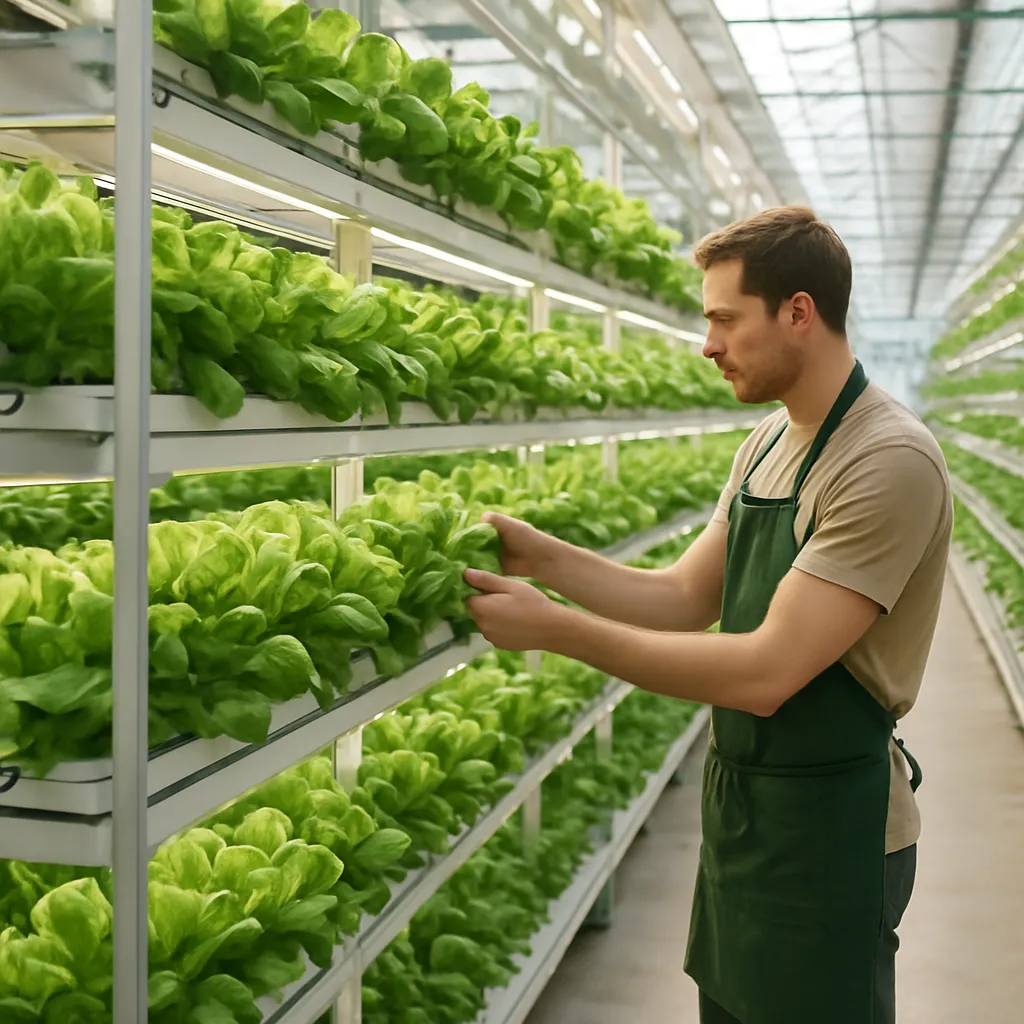
Vertical farming presents a transformative approach to agriculture, harnessing stacked layers and controlled environments to cultivate crops more efficiently. As urban populations rise and arable land becomes scarce, this method offers a sustainable solution that can fit inside warehouses, rooftops, or repurposed shipping containers. By integrating cutting-edge technologies, growers can maximize space, conserve water, and achieve higher yields year-round.
Benefits of Vertical Farming
Vertical farming delivers multiple advantages over traditional field agriculture. Its focus on controlled environments minimizes the risk of pests and diseases while optimizing plant growth parameters. Key benefits include:
- Space Optimization: Utilizing vertical space allows production on a fraction of the land footprint, making it ideal for urban settings.
- Water Conservation: Closed-loop irrigation systems recycle water, reducing consumption by up to 90% compared to conventional farming.
- Year-Round Production: Climate control ensures stable temperatures, humidity, and light, enabling continuous crop cycles.
- Pest and Disease Management: Enclosed facilities reduce exposure to external pathogens, cutting down pesticide use drastically.
- Sustainability: Localized production shortens supply chains, decreases transportation emissions, and lowers overall environmental impact.
Key Components for a Successful Vertical Farm
Building a thriving vertical farm requires integrating specialized systems. Each component plays a crucial role in maintaining optimal growth conditions:
- Growing Structures: Modular racks or towers designed to hold trays or containers in multiple tiers.
- Lighting: Full-spectrum LED lighting replicates sunlight, providing the right wavelengths for photosynthesis while minimizing heat output.
- Irrigation System: Precision nutrient solution delivery through drip lines, ebb-and-flow trays, or recirculating pumps ensures efficient uptake by plant roots.
- Climate Control: HVAC and dehumidification units regulate temperature and moisture, critical for consistent growth.
- Automation: Sensors and controllers adjust pH, nutrient concentration, and lighting schedules automatically, enhancing reliability and reducing labor.
Choosing the Right Crop Varieties
Not all plants respond equally well to vertical farming systems. Selection should be based on space requirements, growth cycles, and market demand.
- Leafy Greens: Lettuce, spinach, kale, and arugula thrive under low-profile setups and quick harvest times.
- Herbs: Basil, mint, cilantro, and parsley fit compact systems and command premium prices due to their fresh flavor.
- Microgreens: High-value and harvested within 7–14 days, ideal for rapid-turnover operations.
- Compact Fruit Crops: Strawberries, cherry tomatoes, and peppers can succeed in vertical racks if pollination is managed.
Hydroponics vs Aeroponics
Water-based growing methods form the backbone of vertical farms. Two leading techniques—hydroponics and aeroponics—offer unique advantages.
Hydroponic Systems
Hydroponics involves submerging roots or periodically flooding them with a nutrient-rich solution. Common setups include:
- Deep Water Culture: Plants float on rafts, with roots suspended in an oxygenated solution.
- Nutrition Film Technique (NFT): A thin film of circulating solution flows through sloped channels, feeding roots continuously.
- Drip Systems: Individual emitters distribute nutrients to each plant, with excess solution collected and reused.
Benefits of hydroponics include simplicity, predictability, and scalability. It’s well-suited for beginners and commercial operations alike.
Aeroponic Systems
Aeroponics suspends plant roots in the air, periodically misting them with a fine spray of nutrient solution. Key features include:
- High Oxygenation: Roots are bathed in oxygen between mist cycles, accelerating nutrient uptake.
- Water Efficiency: Very low volume of solution is required, and mist nozzles can be highly precise.
- Rapid Growth Rates: Many plants reach maturity faster due to optimized root zone conditions.
While more complex to install and maintain, aeroponic systems can deliver exceptional yield in specialized facilities that justify the initial investment.
Optimizing Light and Climate Control
Successful indoor cultivation depends on emulating natural conditions while gaining the flexibility to adjust parameters for each crop’s needs. Attention to detail can yield significant returns:
- Photoperiod Management: Matching day-length cycles to plant requirements, such as 16 hours of light for leafy greens.
- Spectrum Tuning: Blue light for vegetative growth and red light for flowering phases; programmable LEDs allow dynamic adjustments.
- Temperature Zoning: Dividing the facility into areas with specific temperature and humidity setpoints to cater to different crop stages.
- CO2 Enrichment: Controlled elevation of carbon dioxide levels can boost photosynthesis and accelerate biomass accumulation.
- Airflow Patterns: Fans and ducting distribute fresh air uniformly, preventing hotspots and mold formation.
Automation and Monitoring
Advanced vertical farms leverage data-driven tools to maximize consistency and reduce labor costs. Core elements include:
- Sensor Networks: Continuous measurement of pH, electrical conductivity (EC), temperature, and relative humidity.
- Data Analytics: Cloud-based platforms track trends, detect anomalies, and recommend parameter adjustments.
- Automated Nutrient Dosing: Pumps and valves add precise quantities of fertilizers, maintaining optimal nutrient solution balance.
- Remote Control Interfaces: Growers can monitor conditions and adjust settings from anywhere using mobile apps.
- Predictive Maintenance: AI algorithms alert staff to potential equipment failures before they impact crop health.
Economic and Environmental Considerations
Transitioning to vertical farming demands a thorough analysis of costs and benefits. Key factors include:
- Initial Capital Expenditure: Infrastructure, lighting, and climate systems represent significant upfront investment.
- Operational Costs: Energy consumption for LEDs and climate control can be mitigated with renewable sources or energy-efficient technologies.
- Market Pricing: Freshness, local sourcing, and year-round availability allow premium pricing to offset higher production costs.
- Life Cycle Assessment: Evaluating the farm’s carbon footprint, water usage, and waste generation to ensure true sustainability.
- Scalability: Modular designs permit incremental expansion as demand grows, reducing financial risk.
Future Trends in Vertical Farming
Innovations continue to shape the next generation of vertical agriculture. Emerging trends include:
- Integration of robotics for seeding, harvesting, and packaging tasks.
- Genetic optimization of cultivars specifically tailored for indoor systems.
- Hybrid facilities combining aquaponics and vertical farms to utilize fish waste as fertilizer.
- Blockchain-enabled traceability for enhanced food safety and consumer trust.
- Decentralized microfarms embedded within residential or commercial buildings.