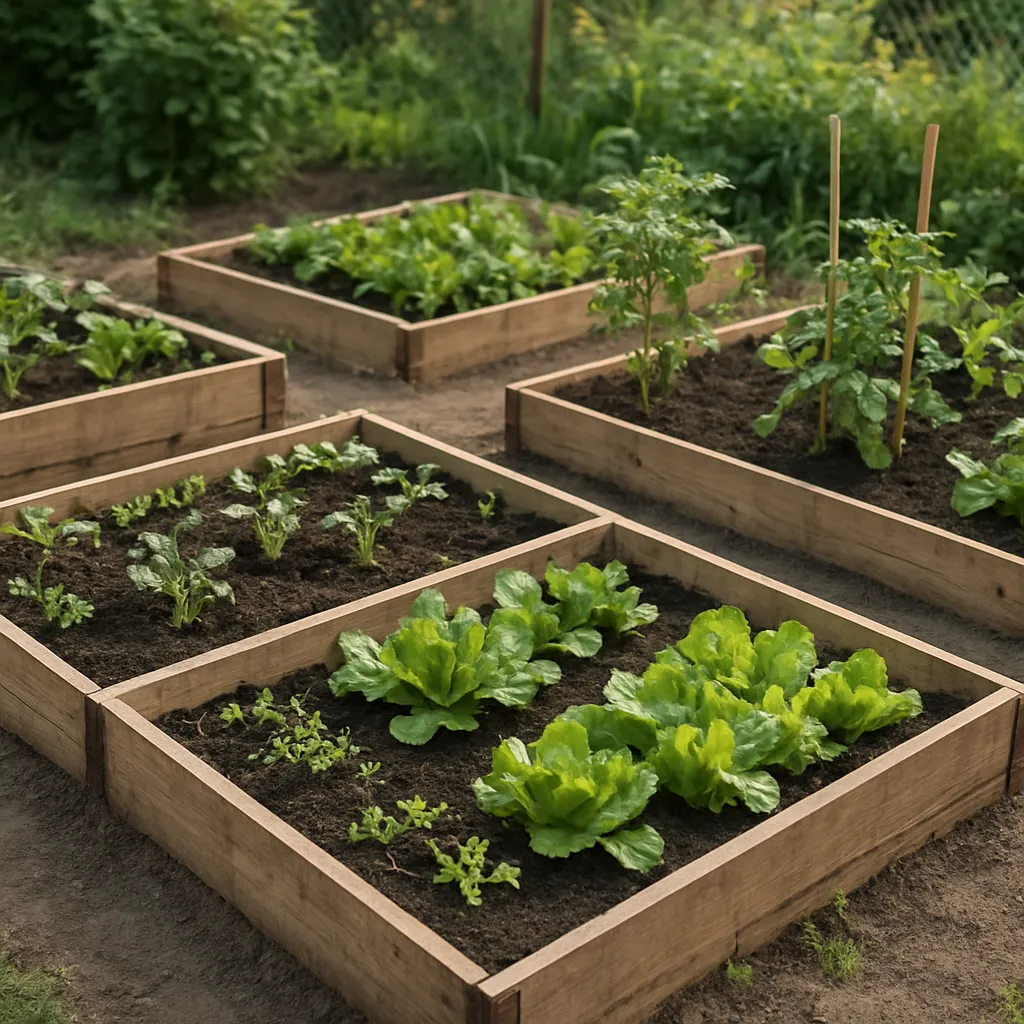
Raised beds offer gardeners a versatile and efficient method to cultivate vegetables, fruits, and flowers in a controlled environment. By elevating the growing area, you can improve drainage, reduce soil compaction, and tailor the nutrients needed for optimal plant growth. This guide will walk you through site selection, bed construction, soil preparation, planting strategies, and maintenance tips to maximize your yield and ensure healthy crops.
Site Selection and Bed Construction
Choosing the Right Location
Identifying a suitable spot for your raised bed garden is the first critical step. Aim for an area that receives at least six to eight hours of direct sunlight daily. Avoid low-lying regions where water may pool, as this can undermine your bed’s drainage capacity. Consider proximity to a water source for convenient irrigation and easy access for routine care.
Materials and Dimensions
Raised beds can be constructed from diverse materials—weather-treated lumber, galvanized steel, stone, or recycled composite boards. Each choice affects bed longevity, cost, and temperature regulation. Standard dimensions are 4 feet wide (for easy access from both sides) and 6 to 8 inches deep for shallow-rooted vegetables. For deeper-rooted crops, consider depths of 12 to 18 inches. Ensure your bed is level and secured with corner brackets or stakes.
Preparing the Raised Bed
Soil Composition and Amendments
Success hinges on a high-quality growing medium. Start with a mix of loamy topsoil and organic amendments. A popular formula is one-third garden soil, one-third high-grade compost, and one-third coconut coir or peat moss. This blend promotes healthy root development, adequate nutrients, and consistent moisture retention. Incorporate a handful of slow-release organic fertilizer to maintain fertility throughout the season.
Layering Techniques
Sheet mulching (lasagna gardening) is an effective layering approach to build fertility and suppress weeds. Begin with a bottom layer of cardboard or newspaper to block weeds. Next, add a layer of coarse materials—twigs, straw, or wood chips—for air pockets. Follow with a thick layer of compost, then finish with nutrient-rich soil. Over time, these layers decompose, enriching the bed’s microbial life and structure.
Planting and Crop Management
Crop Selection and Rotation
Raised beds allow you to experiment with diverse crops. Select varieties suited to your climate and season: cool-season greens (lettuce, spinach), warm-season fruiting plants (tomatoes, peppers), and root crops (carrots, beets). Implement crop rotation by grouping plants by family—nightshades, brassicas, legumes—and shifting them each season to minimize pest buildup and optimize nutrient use.
Irrigation and Moisture Control
Consistent moisture is vital in raised beds, which can dry out faster than in-ground gardens. Install drip lines or soaker hoses beneath the soil surface for efficient water delivery directly to the roots, reducing evaporation. Mulch the soil surface with straw, shredded leaves, or wood chips to conserve moisture and suppress weed growth. Monitor soil moisture with a simple finger test or moisture meter to prevent under- or over-watering.
Pest and Disease Management
Raised beds often experience fewer pest issues due to improved soil temperature and drainage. However, vigilance is still necessary. Employ physical barriers like row covers or fine mesh to protect against insects and birds. Encourage beneficial insects—ladybugs, lacewings—by planting flowers such as marigolds or zinnias at the bed’s edges. For disease prevention, space plants properly to allow airflow, removing any infected foliage promptly.
Maintenance and Harvesting
Mulching and Weeding
Regular maintenance keeps your raised bed productive. Keep the surface mulched with organic materials to maintain moisture levels and avert weed emergence. Hand-weed gently to avoid disturbing the roots of your crops. Periodically top-dress with compost or aged manure to replenish nutrients as plants deplete them.
Harvest Timing and Techniques
Timely harvesting maximizes flavor and encourages continued production. Harvest leafy greens when they reach sufficient size, cutting outer leaves first. Pick fruits and vegetables at their peak maturity—tomatoes should yield easily from the vine, and beans should snap crisply. Use clean, sharp shears or scissors to ease cutting and reduce stress on plants. Record harvest dates and yields to plan future spacing and planting schedules more accurately.
Advanced Tips for Raised Bed Success
Succession Planting
To boost productivity, employ succession planting—stagger sowing dates of fast-maturing crops so you enjoy a continuous harvest. After harvesting early spring radishes, immediately sow summer greens like bush beans or cucumbers.
Intercropping Strategies
Maximize limited space by intercropping: plant fast-growing radishes or arugula between slower-developing carrots. This approach enhances bed efficiency and can deter pests by confusing their host-finding.
Season Extension
Raised beds warm up sooner in spring and retain heat later into fall. Combine with row covers, cold frames, or floating tunnels to protect against frost, effectively extending the growing season.
Sustainable Practices and Soil Health
Compost Integration
Building and using your own compost closes the nutrient loop. Mix kitchen scraps, yard trimmings, and coffee grounds in a dedicated bin. Once fully broken down, apply as a top-dress throughout the growing season to support vigorous growth.
Cover Cropping
During off-seasons, sow cover crops like clover, vetch, or rye in your raised beds. These plants prevent erosion, suppress weeds, and when turned in, provide a green manure that enhances soil structure and fertility.
Rainwater Harvesting
Supplement your irrigation system by collecting rainwater in barrels or cisterns. This sustainable water source reduces reliance on municipal supplies and buffers against drought periods.