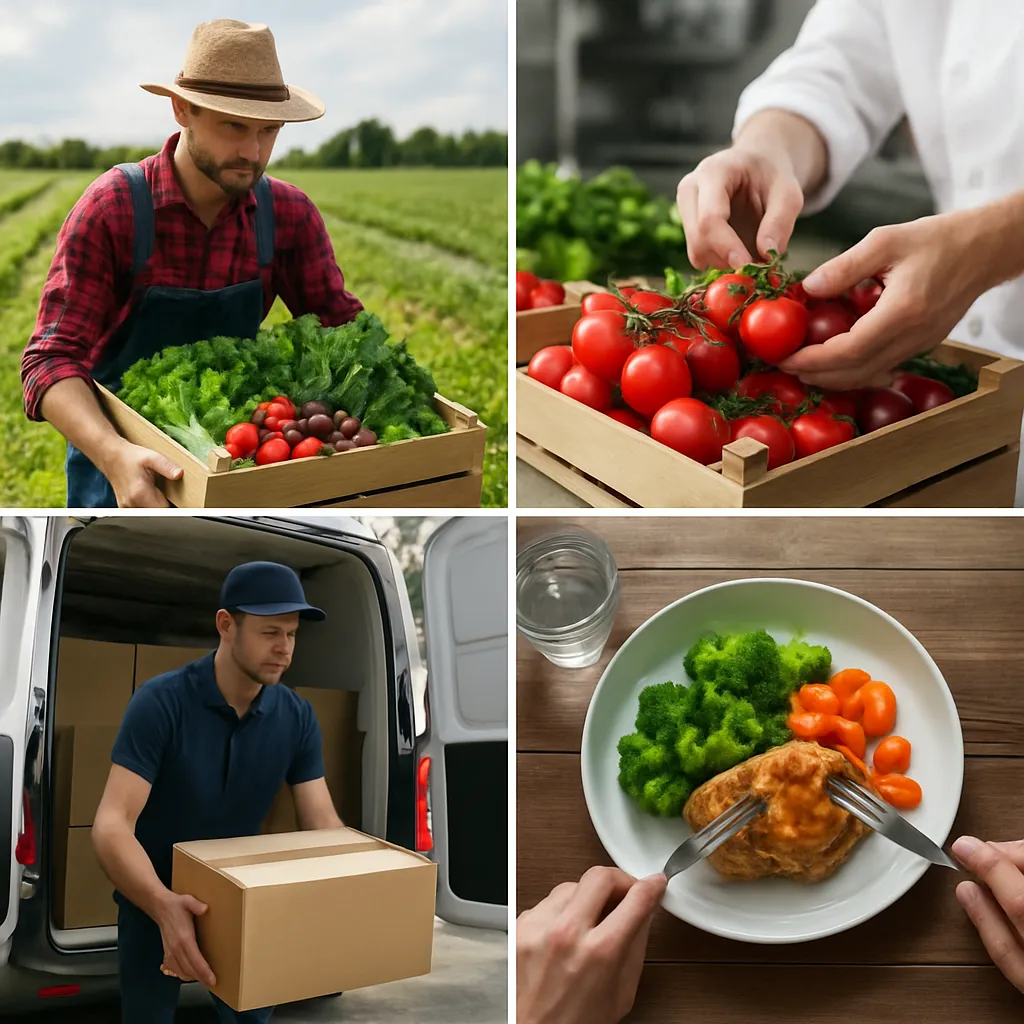
Creating a robust farm-to-table operation demands thoughtful planning, strong relationships, and streamlined processes. This article explores practical steps to design an efficient supply chain that delivers exceptional quality from field to fork. By focusing on collaboration, transparency, and innovation, producers and distributors can ensure maximum freshness and customer satisfaction at every stage.
Understanding Farm-to-Table Principles
Embracing the farm-to-table concept means prioritizing short, direct pathways between growers and consumers. The goal is to minimize intermediaries while maximizing product quality and environmental stewardship. Farmers must assess their production capacity, seasonal availability, and varietal selections to match local demand.
Key to success is establishing clear traceability protocols. Detailed records of planting dates, harvest methods, and post-harvest handling ensure full transparency. Consumers increasingly seek to know the origin of their food, so documenting each step builds trust and brand loyalty.
An integrated approach requires coordination across planting schedules, harvest cycles, and delivery windows. Understanding local market preferences—such as heirloom tomatoes or microgreens—enables farms to tailor their output and reduce waste. This alignment of production and demand forms the backbone of a resilient supply chain.
Building Local Partnerships
Strong connections with nearby stakeholders create a network of mutual support. Cultivating relationships with local producers, restaurants, grocers, and community organizations anchors the network in shared goals and resources. Transparent communication and regular site visits reinforce trust.
Collaboration can take various forms, from formal contracts to informal farm stands. Consider these partnership models:
- Community-supported agriculture (CSA) shares
- Wholesale agreements with independent grocers
- Weekly farmers’ market stalls
- Farm-to-school or farm-to-hospital programs
Each model demands clear expectations around quantities, pricing, and delivery logistics. By negotiating fair terms and maintaining consistent quality, producers and partners thrive together. Such arrangements also foster community engagement and encourage consumers to visit on-site.
Optimizing Logistics and Distribution
Efficient logistics are vital to preserving product integrity. Temperature-controlled vehicles, insulated packaging, and rapid transit routes reduce spoilage and maintain freshness. Plan delivery schedules that align closely with harvest times to shorten the interval between field and kitchen.
A dedicated distribution hub—whether a refrigerated warehouse or a shared cool-storage facility—helps consolidate shipments. Centralizing inventory management simplifies order fulfillment and ensures traceability. Implement barcoding or digital tracking systems to monitor each batch in real time.
Adaptive routing software can optimize delivery paths, reducing fuel consumption and carbon emissions. Strategic clustering of drop-off points and flexible time windows increase efficiency. Regularly review performance metrics—such as delivery punctuality and shrink rates—to refine processes.
Effective Marketing and Consumer Engagement
Communicating the story behind your products enhances value perception. Highlight the people, methods, and land that contribute to every harvest. Use social media platforms and email newsletters to showcase farm activities, seasonal recipes, and customer testimonials.
Engaging consumers directly builds a devoted following. Host on-farm events like harvest festivals, cooking demos, or pick-your-own days. These experiences foster emotional connections and inspire word-of-mouth referrals. Incorporate feedback loops—surveys or comment cards—to gauge preferences and improve offerings.
Leverage targeted marketing to inform audiences about new products or subscription programs. Offer referral incentives or loyalty rewards to encourage repeat purchases. A well-crafted narrative emphasizing sustainability and local impact differentiates your brand in a crowded marketplace.
Embracing Technology and Sustainability
Modern tools can streamline operations and enhance environmental performance. Implement farm management software to coordinate planting calendars, labor assignments, and resource usage. Data-driven insights help reduce waste and optimize yields.
Renewable energy installations—such as solar panels or wind turbines—lower operating costs and carbon footprints. Pair on-site composting and water conservation measures with regenerative agriculture practices to support soil health. These efforts not only benefit the ecosystem but also resonate with eco-conscious customers.
Continuous innovation is key. Explore vertical farming or hydroponics for year-round production. Pilot traceability apps that enable consumers to scan QR codes and learn about product origins. By staying at the forefront of agri-tech trends, you maintain a competitive edge and uphold high standards of quality.