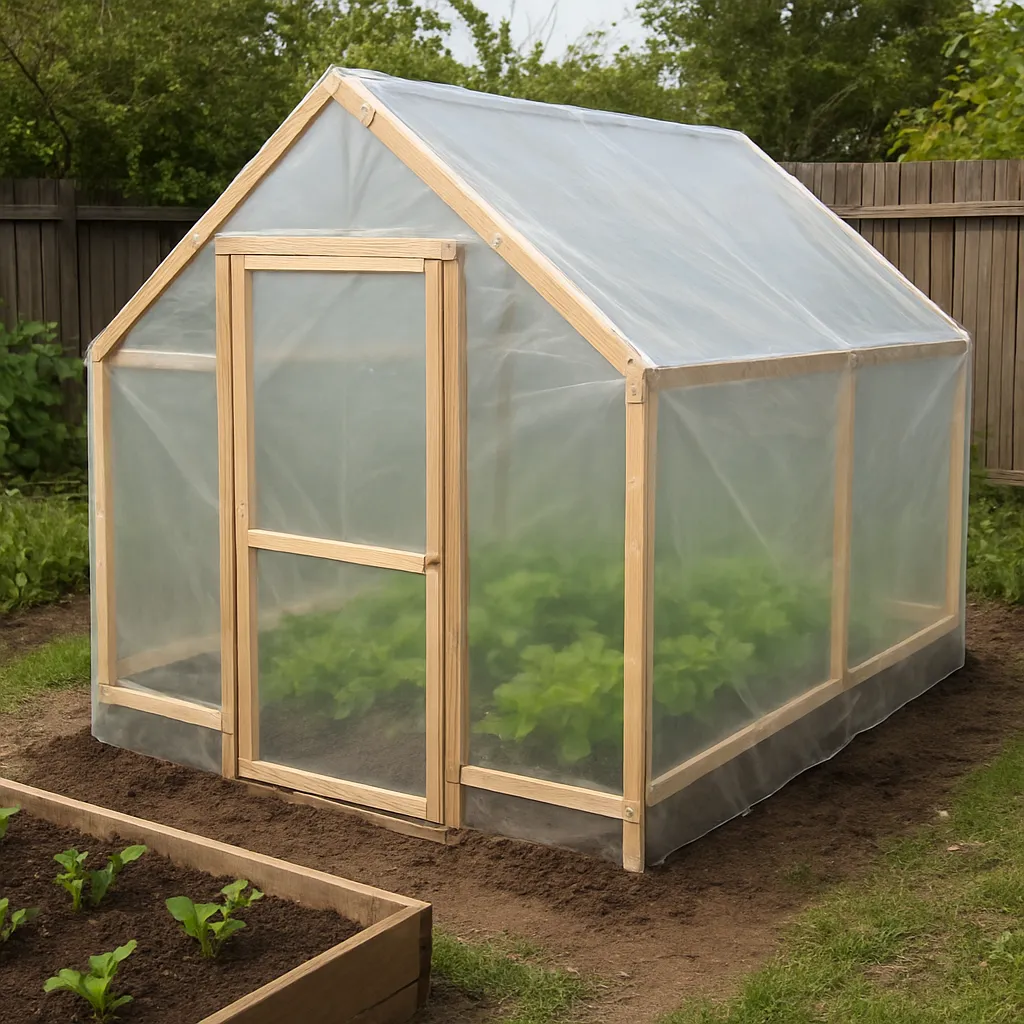
Building a successful low-cost greenhouse can transform your gardening experience, extending your growing season and protecting plants from harsh weather. With careful planning, resourceful material choices, and basic construction skills, you can create a functional structure that maximizes yields without breaking the bank. This guide offers practical tips and step-by-step instructions to help you design and erect a durable, budget-friendly greenhouse suited to your garden.
Site Selection and Preparation
Choosing the right location is one of the most critical steps in designing an efficient greenhouse. Prioritize a spot with consistent sunlight, good drainage, and easy access to water and electricity. A south-facing area will capture the most sunlight throughout the day, boosting internal temperatures naturally. Avoid low-lying spots prone to water pooling, as excess moisture can lead to rot and mold inside your structure.
- Sunlight: Aim for at least six hours of direct sun daily.
- Drainage: Elevate the base or incorporate gravel beds to prevent flooding.
- Access: Keep the greenhouse near existing water sources to simplify irrigation.
Once you’ve selected the ideal spot, clear vegetation and level the ground. Compact the soil or lay a simple gravel foundation to provide a stable, weed-resistant flooring. A well-prepared base reduces maintenance and ensures your frame remains straight and secure over time.
Choosing Materials and Design
Cost efficiency hinges on savvy material choices. While commercial greenhouse kits can be expensive, you can substitute many components with readily available or repurposed items, earning big savings without sacrificing performance.
Frame Options
- Galvanized steel or PVC pipes – lightweight, durable, and easy to assemble.
- Reclaimed wood – offers natural insulation but requires protective treatments against moisture.
- Old windows or doors – ideal for small, rustic greenhouses where reusing glass reduces expenses.
Covering Materials
- Polyethylene plastic sheeting – highly budget-friendly and versatile.
- Polycarbonate panels – more expensive initially, but provide excellent insulation and longevity.
- Recycled glass – available from salvage yards, can be combined with scrap lumber for a traditional look.
Hybrid designs often merge plastic sheeting on the roof with wood framing and reclaimed windows on the sides. This approach balances cost with thermal performance and light transmission. Always tension the plastic tightly and secure edges with batten strips to prevent wind damage.
Construction Steps
Gathering tools and setting a clear plan accelerates the build process. Basic tools include a drill, saw, measuring tape, level, and caulking gun. Prioritize safety by wearing protective eyewear and gloves during cutting and assembly.
Step-by-Step Assembly:
- Lay the foundation: Install pressure-treated sleepers or pour a simple concrete footing for greater stability.
- Erect the frame: Assemble arches or side posts first, ensuring each section is plumb and level.
- Install braces: Cross-bracing prevents swaying and increases the overall structure strength.
- Attach covering: Stretch plastic sheeting over the frame, secure at the base, then trim excess material.
- Seal all gaps: Use silicone caulk around window frames and door edges to maintain a controlled environment.
- Build ventilation: Fit adjustable vents or install louvered panels near the roofline to allow hot air to escape.
For a small construction team, the entire project can be completed within a weekend. If you face uneven terrain, consider a raised platform or adjustable footings to keep the frame level without extensive excavation.
Climate Control and Energy Efficiency
Maintaining optimal temperature and humidity levels is essential for healthy plant growth. A well-designed greenhouse minimizes external fluctuations and reduces the need for expensive heating or cooling systems.
Passive Solar Heating
- Use dark-colored water barrels or masonry benches to absorb heat during the day and release it at night.
- Orient the longest side of the greenhouse toward the south to maximize solar gain.
Ventilation Strategies
- Roof vents: Allow hot air to rise and escape naturally.
- Side vents or louvered windows: Provide cross-ventilation to prevent stagnation.
- Exhaust fans: Powered by solar panels for an energy-efficient forced-air solution.
Insulating the north wall with straw bales or rigid foam panels can further reduce heat loss during colder months. For small operations, inexpensive thermostats linked to vents or fans ensure automated climate control, reducing manual monitoring.
Irrigation and Plant Management
Efficient irrigation systems save water, time, and effort. Drip irrigation tubing laid along benches delivers moisture directly to the roots, reducing evaporation and runoff. Pair this with a simple timer or solar-powered controller to automate watering schedules.
- Mulching around pots and planting beds conserves soil moisture.
- Install a rainwater harvesting barrel connected to downspouts for an eco-friendly water source.
- Use hanging gutters and drip chains to capture and redirect moisture uniformly.
Choose plant varieties suited for greenhouse cultivation: tomatoes, peppers, and herbs like basil thrive in controlled environments. Rotating crops and practicing integrated pest management reduces disease buildup and maintains plant health.
Maintenance and Upgrades
Regular upkeep extends the lifespan of your greenhouse and keeps plant growth optimal. Inspect plastic covers each season for wear and replace any torn sections promptly. Tighten loose screws, reapply sealant around windows, and clean glazing surfaces to maximize light transmission.
- Lubricate moving parts on vents and doors to ensure smooth operation.
- Apply natural antifungal sprays to prevent mold and mildew on frames.
- Add supplemental LED grow lights during short winter days to maintain plant vigor.
As your gardening skills and budget grow, consider integrating more advanced systems like hydroponics or aquaponics. These upgrades can dramatically increase yield without expanding your greenhouse footprint.