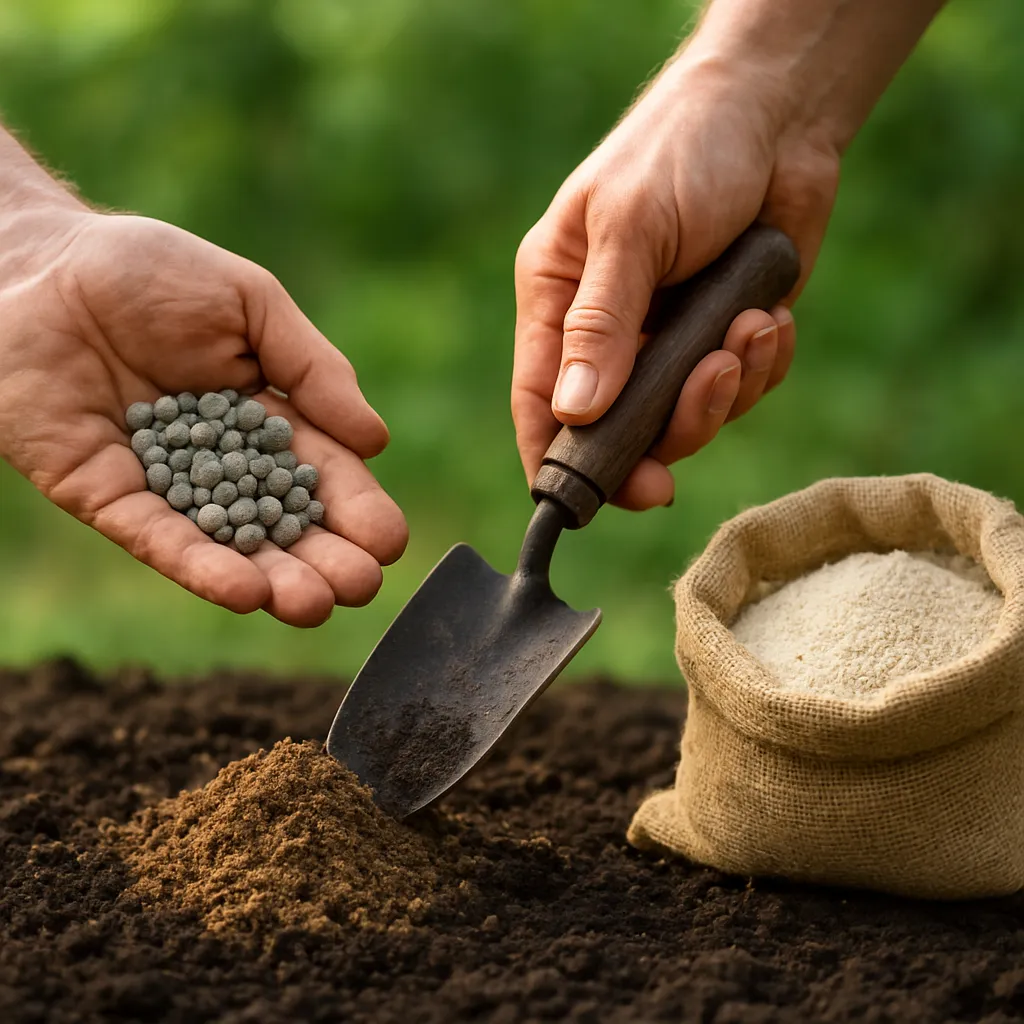
Balancing soil nutrients naturally is essential for thriving crops and a sustainable agricultural ecosystem. Embracing time-tested methods can improve soil health, boost microbial activity, and reduce dependence on synthetic fertilizers. This guide explores effective strategies to maintain a fertile soil environment while nurturing the planet’s resources.
Understanding Essential Nutrients and Soil Health
A healthy soil profile contains a balanced supply of macronutrients and micronutrients. Macronutrients like nitrogen, phosphorus, and potassium support vigorous plant growth, while micronutrients such as iron, zinc, and manganese ensure cellular functions. Before exploring natural amendments, assess the soil’s current state through testing. A comprehensive soil test reveals:
- pH level and buffering capacity
- Organic matter content
- Existing nutrient concentrations
- Soil texture (sand, silt, clay proportions)
With this data, you can tailor amendments to correct deficiencies or imbalances. For instance, acidic soils with low pH may require lime, while alkaline soils benefit from sulfur or organic acids.
Importance of Organic Matter
Incorporating high-quality organic matter is a cornerstone of natural nutrient management. Decomposed plant residues, compost, and well-aged manure enrich soil structure, enhance water retention, and feed a vast community of microorganisms. Over time, organic matter improves aggregate stability, making the soil more resilient to erosion and compaction.
Natural Soil Amendments and Their Benefits
Rather than relying on chemical fertilizers, natural amendments can supply essential elements while nurturing the ecosystem. Below is a list of widely recommended organic additions:
- Compost: A versatile amendment rich in diverse nutrients and beneficial microbes.
- Green manure: Cover crops like legumes add nitrogen through fixation.
- Biochar: A stable carbon form that improves nutrient-holding capacity.
- Rock dust: Provides trace minerals such as calcium, magnesium, and silica.
- Worm castings: An abundant source of plant-available nutrients and growth hormones.
- Animal manure: Well-composted poultry or cow manure introduces both macro and micronutrients.
Compost Preparation and Application
Crafting high-quality compost involves balancing carbon-rich materials (e.g., straw, dry leaves) with nitrogen-rich inputs (e.g., kitchen scraps, grass clippings). Maintain adequate moisture and aeration by turning the pile regularly. Mature compost should be dark, crumbly, and earthy-scented. Apply it at a rate of 2–4 inches across beds, then incorporate into the topsoil to kickstart microbial decomposition.
Cover Crops and Crop Rotation
Using cover crops between cash crops helps prevent nutrient leaching and builds soil organic matter. Leguminous species like clover or vetch fix atmospheric nitrogen, while grasses capture residual nutrients with their extensive root systems. After termination, roots and biomass decompose, releasing locked nutrients.
- Rotate families of crops annually to mitigate pests and disease pressure.
- Alternate deep-rooted and shallow-rooted species to mobilize different soil layers.
- Incorporate cover crop residues at optimal growth stages for nutrient release timing.
Managing Soil pH and Mineral Balance
Optimal nutrient uptake occurs within a specific pH range, typically between 6.0 and 7.0 for most vegetables and grains. Deviations can lock nutrients or increase toxicity. Natural pH adjustment methods include:
- Lime or wood ash for raising pH
- Elemental sulfur, pine needle mulch, or sphagnum peat moss for lowering pH
- Dolomitic lime to supply both calcium and magnesium
Regular pH monitoring ensures amendments are applied precisely, avoiding overcorrection. Consistent pH also fosters a balanced microbial community, vital for nutrient cycling.
Utilizing Rock Dust and Mineral Amendments
Rock dust, derived from glacial deposits or quarry fines, provides a slow-release source of micronutrients. Common formulations include basalt, granite, and glacial rock flour. Benefits:
- Enhanced soil cation exchange capacity (CEC)
- Improved root development through trace elements
- Long-term carbon sequestration when combined with organic matter
Practical Techniques for Nutrient Cycling and Efficiency
Balancing soil nutrients extends beyond amendment selection. It involves strategic practices to optimize availability and minimize losses. Below are essential guidelines:
- Mulching: Organic mulches conserve moisture and gradually add nutrients as they decompose.
- Drip irrigation: Delivers water directly to the root zone, reducing nutrient leaching.
- No-till or reduced tillage: Preserves soil structure and reduces disruption of fungal networks.
- Precision nutrient application: Base rates on soil test results and crop requirements.
- Intercropping: Growing complementary species together can enhance nutrient use efficiency.
Monitoring and Adjusting Over Time
Effective nutrient management is dynamic. Implement the following steps for ongoing success:
- Conduct soil tests every 1–3 years to track changes.
- Keep detailed records of yields, amendments, and observations.
- Modify amendment rates based on crop response and test outcomes.
- Integrate on-site observations, such as leaf color and plant vigor, for in-season adjustments.
By combining data-driven decisions with traditional knowledge, growers can sustain a balanced soil ecosystem that supports robust yields and environmental stewardship. Embracing natural strategies ensures long-term productivity while respecting the biology beneath our feet.