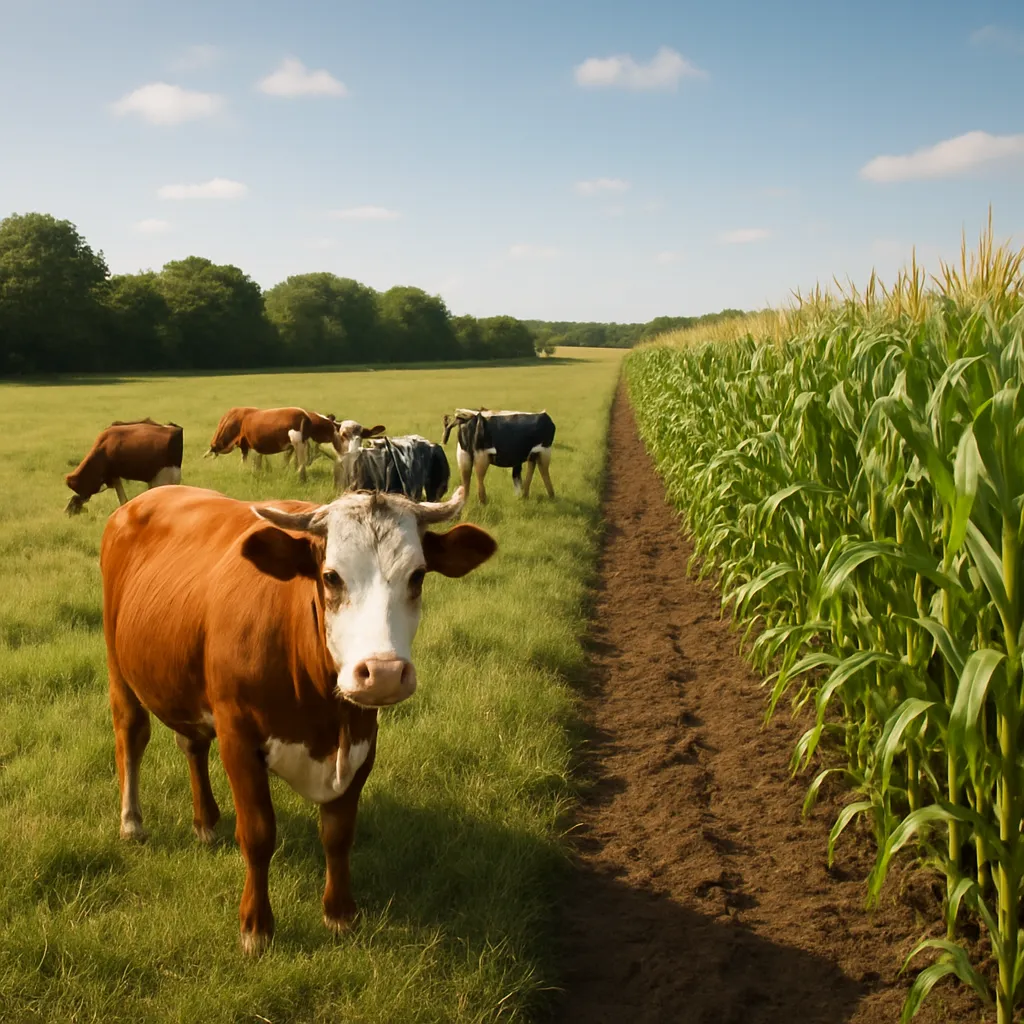
Balancing crop cultivation with animal husbandry demands a strategic approach that maximizes resource efficiency, bolsters farm resilience, and promotes long-term sustainability. When designed thoughtfully, combining livestock and plant production can create a self-reinforcing cycle of nutrients and improved soil health, while diversifying revenue streams. This guide outlines practical methods and considerations for farmers seeking to optimize both sectors on the same land.
Harmonizing Land Use and Farm Layout
Effective integration begins with a clear land-use plan. Allocate separate zones for cropping, grazing, and manure storage. Evaluate topography, soil type, and water access to determine how fields can support both forage production and cash crops. For example, lower-lying fields may be reserved for silage or hay, while well-drained slopes host vegetables or grains. Consider installing fences, movable troughs, and water points to create flexible paddocks that adapt to seasonal needs.
Mapping and Zoning
- Use GPS or a simple grid to mark areas for rotation and rest periods.
- Designate manure application zones close to livestock housing but avoid steep slopes.
- Incorporate buffer strips of cover crops or grasses near streams to protect water quality.
Infrastructure Essentials
- Invest in durable fencing to manage grazing patterns and prevent crop damage.
- Set up a centralized manure handling area with easy access for equipment.
- Ensure reliable water supply for both plants and animals, using gravity-fed systems where possible.
Optimizing Nutrient Cycling
Livestock manure is a rich reservoir of plant-available nutrients. When applied correctly, it reduces reliance on synthetic fertilizers and enhances soil structure. Balance nutrient applications by testing soil regularly and matching manure rates to crop requirements.
Manure Management Strategies
- Compost or age manure to stabilize nitrogen and reduce weed seeds.
- Apply organic amendments in early spring or late fall to minimize nutrient loss.
- Incorporate manure into the soil within 24 hours to prevent ammonia volatilization.
Cover Cropping and Residue Management
Between cash crop cycles, establish cover crops such as clover, rye, or vetch. They scavenge leftover nitrogen, reduce erosion, and offer supplemental forage. When terminated, their residues feed soil biology, supporting the next crop.
Implementing Rotational and Agroecological Practices
Rotational systems break pest and disease cycles while enhancing biodiversity. By alternating livestock grazing with crop cultivation, you encourage deeper root growth and improved nutrient uptake.
Mixed and Sequential Rotations
- Integrate short-duration forages before planting cereals to provide animal feed and soil cover.
- Follow high-demand crops with legumes to rebuild soil nitrogen.
- Use mob grazing to mimic natural herd behavior, improving pasture vigor and carbon sequestration.
Polyculture and Intercropping
Growing complementary species side by side can suppress weeds and attract beneficial insects. For instance, maize intercropped with beans provides simultaneous fodder and soil enrichment through biological nitrogen fixation.
Enhancing Farm Profitability and Ecosystem Services
Diversified operations often fare better in fluctuating markets and variable weather. By combining biodiversity in pastures with high-value crops, farmers spread risk and boost overall returns.
Value-Added Products
- Process excess milk into cheese or yogurt for local markets.
- Turn surplus fruits or vegetables into preserves or dried goods.
- Offer agritourism experiences focused on farm-to-table education.
Economic Considerations
- Track input costs separately for crops and livestock to identify inefficiencies.
- Leverage government programs or grants aimed at sustainable agriculture.
- Collaborate with neighboring farms to share equipment and labor during peak seasons.
Overcoming Challenges and Building Efficiency
Integrated systems can be complex to manage. Clear record-keeping, ongoing monitoring, and adaptive decision-making are key to success.
Risk Mitigation
- Develop contingency plans for drought, disease outbreaks, or market shifts.
- Maintain emergency feed reserves and medical supplies for livestock.
- Regularly calibrate equipment and service irrigation systems to prevent downtime.
Continuous Learning
Stay connected with extension agents, farmer networks, and research institutions. Field days and workshops provide hands-on experience and expose you to innovative practices that enhance profitability and environmental performance.