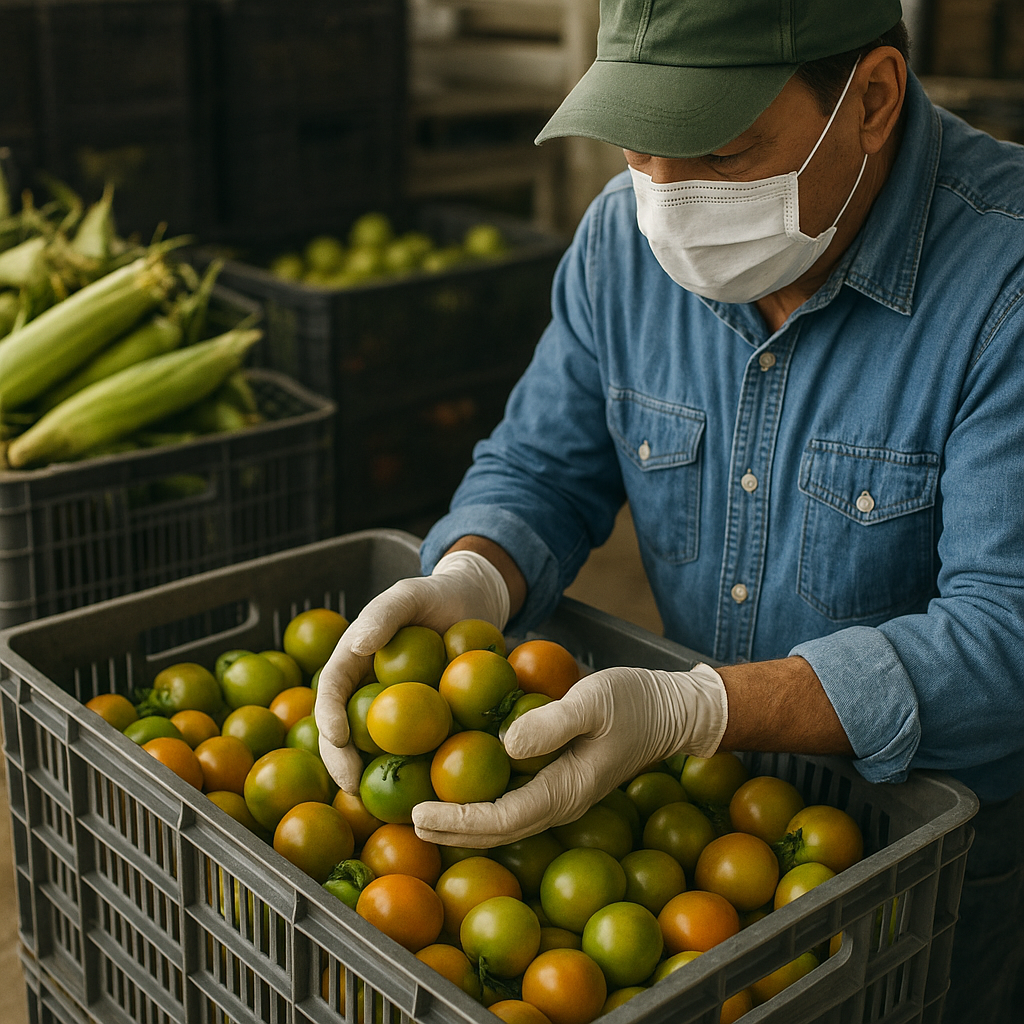
The Best Practices for Post-Harvest Handling focus on preserving the value of agricultural products from the moment of harvest until they reach consumers. Proper handling plays a crucial role in reducing losses, maintaining freshness, and ensuring food safety. By adopting the right techniques and technologies, producers can optimize resource use, uphold market standards, and maximize revenue.
Maintaining Proper Temperature and Humidity Levels
One of the most vital aspects of post-harvest care is controlling environmental conditions. Temperature and humidity directly impact the respiration rate of produce and the growth of spoilage organisms. Inadequate control can lead to rapid quality decline, weight loss, and increased waste.
Cold Chain Management
Implementing a robust Cold Chain Management system involves:
- Initial cooling immediately after harvest to remove field heat.
- Using refrigeration units set to crop-specific temperatures, often between 0°C and 5°C for fruits and vegetables.
- Monitoring relative humidity, which typically ranges between 85% and 95% to prevent wilting or moisture condensation.
- Employing data loggers to track fluctuations and ensure consistent conditions.
Controlled Atmosphere Storage
Advanced facilities regulate oxygen, carbon dioxide, and nitrogen levels to slow down respiration. This method extends shelf-life significantly by maintaining fruit firmness, color, and nutritional value.
Sanitation and Hygiene Practices
Sanitation is fundamental for reducing microbial contamination and prolonging product life. Implementing strict hygiene measures protects both produce and personnel.
Cleaning and Disinfection Protocols
- Regularly clean floors, walls, and equipment with approved detergents and disinfectants.
- Schedule deep cleaning during downtime to remove biofilms and residues.
- Use potable water sources for washing produce to avoid chemical or microbial hazards.
Personnel Hygiene and Training
Workers should follow personal hygiene standards, including handwashing stations, protective clothing, and health checks. Training programs help staff understand the importance of preventing cross-contamination and adhering to standard operating procedures.
Effective Packaging and Labeling Strategies
A well-designed packaging system offers physical protection, helps maintain quality, and provides vital information to consumers and supply chain partners.
Choosing the Right Materials
- Use breathable containers such as perforated crates or mesh bags for produce that emits moisture.
- Select materials with cushioning properties to prevent bruising during handling and transportation.
- Consider biodegradable or recyclable options to reduce environmental impact.
Labeling and Trace Information
Labels must include harvest date, origin, and handling instructions. This enhances traceability and allows rapid response to safety recalls. Digital solutions like QR codes or RFID tags can store harvesting data and quality test results.
Transportation and Logistics Optimization
Efficient transport reduces transit time and product degradation. A seamless logistics network ensures produce arrives in peak condition.
Route Planning and Scheduling
- Use route optimization software to minimize travel time and avoid harsh weather.
- Schedule shipments during cooler hours to maintain low temperatures in transit.
- Consolidate loads when feasible to reduce fuel consumption and handling events.
Vehicle Maintenance and Insulation
Well-maintained refrigeration units and insulated vehicles prevent temperature excursions. Regular checks on seals, gaskets, and coolant levels are essential to maintain a stable environment for perishable goods.
Implementing Monitoring and Traceability Systems
Real-time monitoring and digital record-keeping are transforming how post-harvest operations are managed. Automated systems reduce human error and improve accountability.
Data Logging and Analytics
- Deploy sensors to record temperature, humidity, and gas composition at regular intervals.
- Use cloud-based platforms to visualize trends and receive alerts for deviations.
- Analyze historical data to identify process improvements and cost-saving opportunities.
Blockchain and Certification
Blockchain technology offers immutable records of handling steps, chemical treatments, and origin points. Certification bodies often require documented evidence to grant organic or fair-trade status, enabling premium pricing and consumer trust.
Conclusion: Embracing Best Practices for Long-Term Success
Adopting these strategies ensures that agricultural products reach consumers in optimal condition while reducing losses and maintaining transportation efficiency. Through careful attention to humidity, temperature, sanitation, and packaging, producers can protect their investment and meet stringent market demands. Investing in technology for monitoring, along with robust hygiene and logistical protocols, secures both product integrity and consumer confidence.