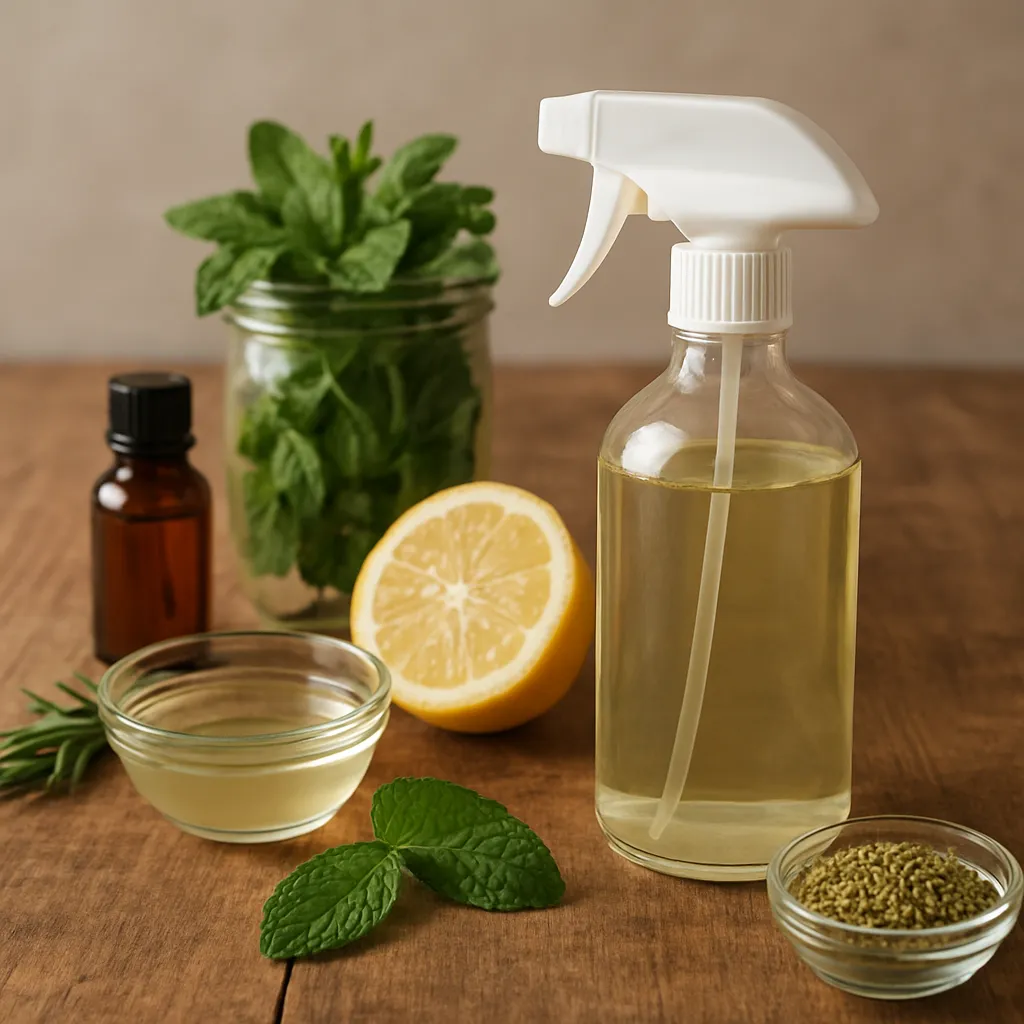
Organic insect repellents are gaining popularity among gardeners and small-scale farmers eager to avoid harsh chemicals and preserve the natural balance within their ecosystem. By harnessing the power of essential oils, plant extracts and common pantry items, it is possible to create cost-effective, sustainable pest deterrents that protect crops and promote healthy soil biology. Whether you cultivate a backyard vegetable patch or maintain a larger hobby farm, understanding how to formulate and apply these remedies will improve overall pest management and support the presence of beneficial insects.
Understanding Common Garden Pests
Before crafting any homemade spray, it is vital to identify the most prevalent invaders in your agricultural setting. Aphids, whiteflies, spider mites and caterpillars pose a constant threat to tender leaves and developing fruits. Each group of insects exhibits different feeding habits and life cycles, demanding tailored approaches for maximum efficacy.
- Aphids: Soft-bodied, sap-sucking bugs that cluster on new growth. Signs include curled or yellowing leaves.
- Whiteflies: Tiny, white, moth-like insects that flutter when disturbed. They excrete sticky honeydew.
- Spider mites: Minuscule arachnids leaving webbing and speckled discoloration on foliage.
- Caterpillars: Larval stage of moths and butterflies, chewing through foliage with visible bite marks.
Accurate identification allows you to select the most appropriate ingredients and application methods, reducing collateral harm to pollinators and soil microorganisms.
Key Natural Ingredients and Their Benefits
When formulating an organic repellent, choose components that deliver both deterrence and compatibility with plant health. Many of these items can be sourced from the kitchen, garden or health-food store.
- Neem oil: Extracted from neem tree seeds, it disrupts insect hormones and acts as an anti-feedant. Effective against a wide range of arthropods.
- Citronella: Derived from lemongrass, offers strong repellent properties for flies, mosquitoes and moths.
- Essential oils (peppermint, rosemary, eucalyptus): Concentrated plant extracts that target specific pests through odor and toxicity at microdoses.
- Garlic and onion infusion: Natural sulfur compounds repel aphids and beetles; simple to prepare with kitchen scrap materials.
- Castile soap or mild detergent: Acts as an emulsifier to disperse oils in water and provide contact control by disturbing insect respiratory systems.
- Vegetable glycerin: Increases adherence to leaf surfaces and slows evaporation for longer lasting coverage.
Combining these elements in the right proportions ensures a biodegradable blend that breaks down harmlessly after serving its purpose.
Step-by-Step Recipes for DIY Repellents
Below are three proven formulations to tackle a wide spectrum of pests. All recipes yield approximately one liter of spray solution.
Neem Oil and Soap Emulsion
- 5 ml of liquid Castile soap
- 10 ml of pure neem oil
- 985 ml of warm water
- Combine soap and oil first, whisking vigorously to create an emulsified mixture, then add warm water while stirring.
- Pour into a spray bottle, shake before each use.
Garlic-Pepper Infusion
- 3 cloves of crushed garlic
- 1 tsp of ground cayenne pepper
- 1 liter of boiling water
- Steep ingredients for 24 hours, strain, then add a few drops of Castile soap to aid coverage.
Herbal Essential Oil Blend
- 8 drops of peppermint oil
- 5 drops of rosemary oil
- 5 drops of eucalyptus oil
- 980 ml of water
- Mix oils with 5 ml of glycerin, add water and stir; pour into sprayer.
Always label containers clearly and store any unused concentrate in a cool, dark place.
Application Methods and Best Practices
Timing and technique can dramatically influence success rates. Follow these guidelines to maximize repellent performance while safeguarding sensitive flora and fauna.
- Early morning or late afternoon applications reduce leaf burn and increase absorption.
- Spray both topside and underside of leaves, targeting areas where pests congregate.
- Test on a small leaf area first to ensure no phytotoxic response occurs.
- Reapply every 7 to 10 days or after heavy rainfall, unless plant shows stress signs.
- Rotate recipes to prevent insect adaptation and maintain consistent deterrence.
- Complement sprays with mechanical controls such as hand‐picking and physical barriers (row covers, sticky traps).
Additional Organic Strategies for Pest Control
Insect repellents are most effective when integrated into a holistic farm or garden approach. Consider the following complementary tactics:
- Create habitat for predators: Ladybugs, lacewings and ground beetles feed on common pests. Provide water sources and flowering plants for shelter.
- Employ crop rotation and intercropping to interrupt pest life cycles and confuse host location.
- Utilize botanical mulches such as straw or wood chips to suppress soil-dwelling larvae and maintain moisture.
- Practice good sanitation—remove fallen debris and prune diseased foliage to reduce breeding grounds.
- Monitor pest populations regularly using yellow sticky cards or visual inspection to catch outbreaks early.
By combining DIY repellents with these organic methods, you establish a resilient agroecosystem that minimizes chemical reliance and fosters long-term productivity.