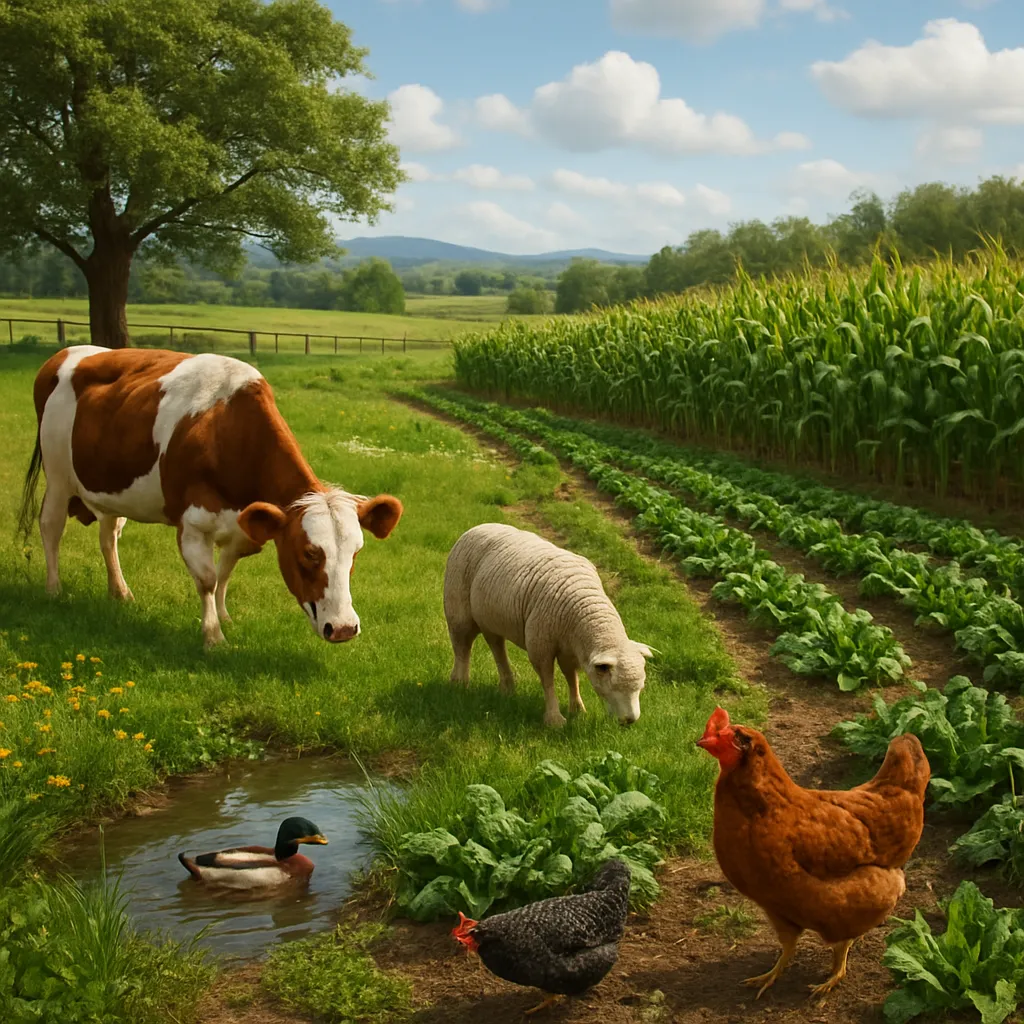
Maintaining a productive and balanced farm ecosystem involves a holistic approach that considers soil health, water management, biodiversity, and sustainable cropping techniques. Each component plays a critical role in ensuring long-term viability and resilience against environmental stressors. By adopting diverse strategies and leveraging natural processes, farmers can enhance productivity while preserving the surrounding environment.
Soil Health and Management
Healthy soil is the foundation of any successful agricultural operation. The physical structure, chemical composition, and biological activity within the soil determine its ability to support plant growth. Practices that enhance soil fertility and structure are essential for sustaining crop yields and preventing erosion.
- Regular Soil Testing: Conduct comprehensive soil analyses at least once per year to monitor pH levels, nutrient availability, and organic matter content. Adjust fertilization plans based on test results to avoid overapplication of synthetic inputs.
- Organic Amendments: Incorporate well-composted manure, green waste, or biochar to boost microbial activity and increase water-holding capacity. These amendments improve nutrient cycling and foster a diverse soil food web.
- Reduced Tillage: Minimize mechanical disturbance to protect soil aggregates and preserve beneficial organisms. No-till or strip-till systems lessen erosion risk and promote efficient water retention.
- Cover Cropping: Sow cover crops during fallow periods to supply organic matter, suppress weeds, and capture residual nutrients. Leguminous species, such as clover, fix atmospheric nitrogen, reducing the need for synthetic fertilizers.
Integrating these practices encourages robust biological communities, including earthworms, mycorrhizal fungi, and beneficial bacteria. These organisms facilitate nutrient exchange, improve root penetration, and bolster plant health, thereby reducing dependency on chemical interventions.
Water Conservation Strategies
Efficient water use is vital in regions facing irregular rainfall or limited resources. By implementing advanced irrigation methods and landscape modifications, farmers can optimize moisture levels and preserve groundwater reserves.
- Drip Irrigation: Deliver water directly to the root zone at controlled rates, minimizing evaporation and runoff. This technology increases irrigation uniformity and reduces water waste by up to 50% compared to traditional sprinkler systems.
- Mulching: Apply organic mulches, such as straw or wood chips, to maintain consistent soil moisture and moderate temperature fluctuations. Mulch layers also inhibit weed emergence, further conserving water.
- Rainwater Harvesting: Install gutter systems and storage ponds to capture rainfall from barn roofs or impervious surfaces. Stored water can supplement irrigation needs during dry spells.
- Contour Farming and Terracing: Shape fields along natural contours or build terraces on slopes to slow surface runoff and enhance infiltration. These structures reduce soil erosion and contribute to long-term water conservation.
Monitoring soil moisture with sensors or tensiometers helps determine when irrigation is truly necessary. Combining these tools with weather forecasts reduces overwatering and ensures water resources are allocated wisely.
Promoting Biodiversity and Pest Control
A diverse ecosystem supports natural predators that regulate pest populations, reducing reliance on chemical pesticides. Encouraging a variety of species both above and below ground fosters ecological balance.
- Hedgerows and Buffer Strips: Establish native shrubs, grasses, and flowering plants along field margins to provide habitat for pollinators and predatory insects. These zones also act as windbreaks and filter potential contaminants.
- Intercropping: Cultivate two or more crops in close proximity to confuse pests and create microhabitats for beneficial species. For example, combining maize and beans can deter specific insects that target one crop type.
- Biological Controls: Introduce or conserve natural enemies, such as lady beetles, lacewings, and parasitic wasps. These organisms prey on common pests, offering a self-sustaining pest management solution.
- Crop Residue Management: Remove or properly decompose residues that harbor overwintering pests and diseases. Composting residues at high temperatures can neutralize pathogens before returning organic matter to the soil.
Adopting an integrated approach—combining cultural, mechanical, and biological strategies—ensures a robust defense against outbreaks. Regular scouting and record-keeping help detect emerging issues early and inform targeted interventions.
Implementing Sustainable Crop Rotation and Cover Crops
Cultivating the same crop repeatedly depletes specific nutrients and increases vulnerability to disease. Rotations and cover crops break pest cycles and replenish soil resources naturally.
- Diverse Rotations: Plan multi-year sequences that alternate between cereal grains, legumes, and root crops. Legumes fix nitrogen, benefiting subsequent cereal crops, while deep-rooted species improve subsoil structure.
- Cover Crop Selection: Choose cover crops based on desired functions—nitrogen fixation, soil compaction alleviation, or biofumigation. Mustard and radish varieties can suppress soil-borne pathogens through natural compounds.
- Termination Timing: Mow or roll down cover crops at optimal growth stages to maximize biomass incorporation without depleting moisture or delaying planting of the primary crop.
- Residue Distribution: Evenly distribute residues to prevent clumping and ensure uniform decomposition. This practice supports consistent nitrogen release and fosters balanced soil moisture.
By cycling families of plants, farmers disrupt pest habitat continuity and encourage a wider array of soil organisms. This diversity underpins a resilient sustainable farming system that can adapt to changing conditions.
Integrating Livestock and Agroforestry Practices
Mixed farming and agroforestry combine animals, trees, and crops to create mutually supportive relationships. Thoughtful integration improves nutrient cycling, provides shade, and diversifies income streams.
- Rotational Grazing: Move livestock between paddocks to allow pasture recovery, distribute manure evenly, and avoid overgrazing. This practice enhances forage quality and prevents bare patches susceptible to erosion.
- Silvopasture Systems: Plant lines of trees within grazing areas to supply fodder, timber, and carbon sequestration. Tree roots stabilize soil and promote deeper water infiltration.
- Manure Management: Compost livestock waste to produce pathogen-free, nutrient-rich fertilizer. Properly cured manure boosts agroforestry and crop yields without introducing weed seeds.
- Multi-Use Trees: Select species that yield fruit, nuts, or forage. Integrating these trees within field boundaries creates shelterbelts, reduces wind damage, and supports biodiversity.
Combining animal and plant production optimizes resource utilization. Manure recycles on-site nutrients, trees enhance microclimates, and diversified outputs buffer against market fluctuations.