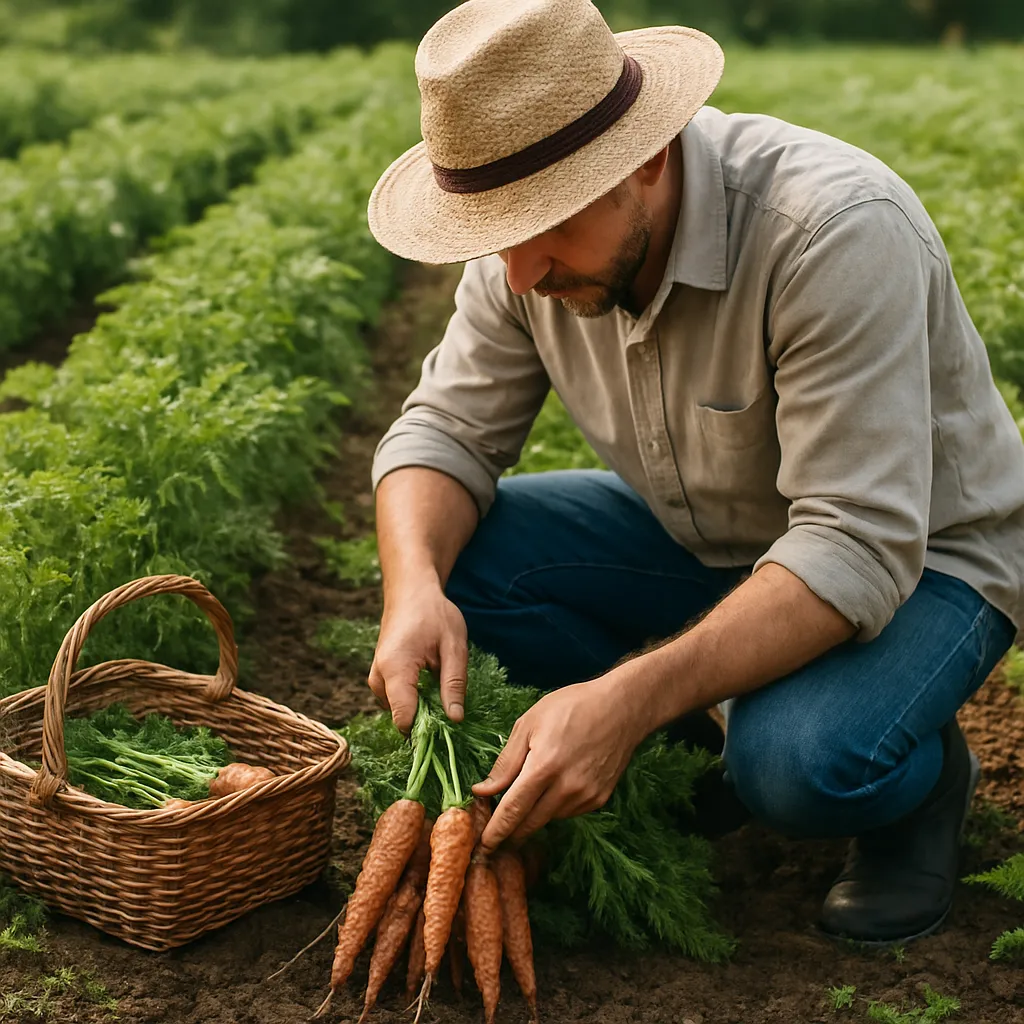
Mastering the art of hand harvesting can significantly improve the quality and quantity of your produce. By focusing on efficiency, proper technique, and meticulous attention to detail, you will maximize yield and maintain the integrity of each crop. Whether managing a small family plot or coordinating a larger farm crew, adopting structured approaches to labor allocation, ergonomic practices, and post-harvest care ensures every step delivers optimal results.
Preparing for Manual Harvest
Choosing the Right Tools
Selecting high-quality implements is the foundation of successful hand harvesting. Essential items include:
- Sharp harvesting knives or shears designed for specific crops (tomatoes, peppers, herbs).
- Protective gloves that balance dexterity with puncture resistance.
- Sturdy baskets or containers that prevent bruising and allow airflow.
- Secured pruning hooks for fruit trees with higher branches.
- Field carts or trolleys to minimize repeated carrying of heavy loads.
Ensure all equipment is well-maintained. Regularly sharpen blades and inspect handles or fasteners for wear. This attention to detail prevents damage to crops and reduces risk of injury.
Field Assessment & Crop Ripeness
Before harvesting, conduct a systematic walk-through of fields to gauge the moisture content, maturity stage, and health status of each plant. Key tasks include:
- Sampling fruit or vegetable ripeness by color, texture, or refractometer readings (for Brix levels).
- Identifying pests, fungal infections, or physical damage that could spread during picking.
- Monitoring recent weather—cool, dry conditions often yield the best hand-harvest environment.
- Marking rows or blocks that are ready, partially ready, or require further time.
Document field conditions in a simple log to track harvest windows, ensuring you pick at peak quality and avoid overripeness, which can hurt overall yield.
Techniques for Efficient Hand Harvesting
Ergonomic Posture & Movement
Maintaining proper body mechanics is crucial for sustainable harvesting. Fatigue and injuries can slow down operations dramatically. Follow these guidelines:
- Bend at the knees rather than hunching the back—this protects the spine during low-level fruit picking.
- Use a slight squat or kneeling stool when harvesting ground crops like lettuce or spinach.
- Alternate tasks between team members to prevent repetitive strain—for instance, switching between cutting, sorting, and carrying.
- Encourage frequent micro-breaks (30 seconds every 15 minutes) to stretch shoulders, back, and wrists.
By focusing on ergonomics, teams work longer with minimal downtime, boosting overall efficiency.
Optimal Harvest Sequence & Coordination
Organizing your crew and planning the harvest flow can cut wasted effort and reduce crop handling time. Consider these strategies:
- Divide the field into manageable sections and assign clearly labeled harvest groups to each.
- Establish a one-way flow: pickers pass produce to sorters, who then fill crates for transport.
- Use colored flags or simple GPS tags to indicate completed rows and avoid rework.
- Implement a communication system (hand signals, radios) so that pickers can quickly request additional bins or report issues.
A well-coordinated system dramatically improves throughput. When everyone knows their role, the logistics of moving produce from field to packaging area becomes seamless.
Post-Harvest Handling and Storage
Sanitation & Initial Cleaning
Immediately after harvest, remove debris, leaves, or foreign material to prevent spoilage:
- Gently shake or rinse (if appropriate) leafy greens in cool, sanitized water.
- Use food-grade brushes for root vegetables to clear soil without damaging skin.
- Sanitize work surfaces, knives, and containers between harvest waves to maintain sanitation standards.
- Dry produce adequately before packing to minimize microbial growth.
Adhering to these steps enhances shelf life and reduces post-harvest losses.
Packing, Logistics, and Cold Chain
Effective packaging and temperature control maintain peak freshness:
- Choose breathable corrugated cartons for fruits; ventilated crates for vegetables.
- Layer produce with moisture-absorbing sheets to manage condensation.
- Pre-cool harvested items as soon as possible—target advised temperatures (e.g., 0–2 °C for leafy greens, 10–12 °C for tropical fruits).
- Coordinate transport schedules to minimize hold times; track each shipment’s temperature to ensure continuous cold chain integrity.
Optimizing packing density while preserving airflow safeguards against crushing and decay. Clear labeling with harvest date and field block helps recipients manage inventory.
Sustainability and Best Practices
Reducing Waste & Improving Resource Use
Minimizing on-farm losses supports both profits and environmental stewardship:
- Collect imperfect produce for immediate processing—juices, sauces, or fermented products.
- Harvest in multiple passes: pick fully ripe items first, leaving slightly immature ones to develop.
- Recycle plant residues as compost or mulch, returning nutrients to the soil.
- Consider cover crops and no-till strips between rows to enhance moisture retention and biodiversity.
Such approaches lower input costs and enrich field health over time.
Record-Keeping & Continuous Improvement
Tracking data empowers you to refine practices season after season:
- Log hours spent per crop type, enabling cost analysis and labor allocation adjustments.
- Note equipment performance—identify frequently replaced parts or tools needing upgrade.
- Monitor quality metrics (blemish rates, average produce weight) to detect areas for training or process refinement.
- Gather feedback from harvest crews on workflow bottlenecks, ergonomics, and potential innovations.
Systematic record-keeping fosters a culture of continuous enhancement, ensuring your farm remains competitive and adaptive in a dynamic market.