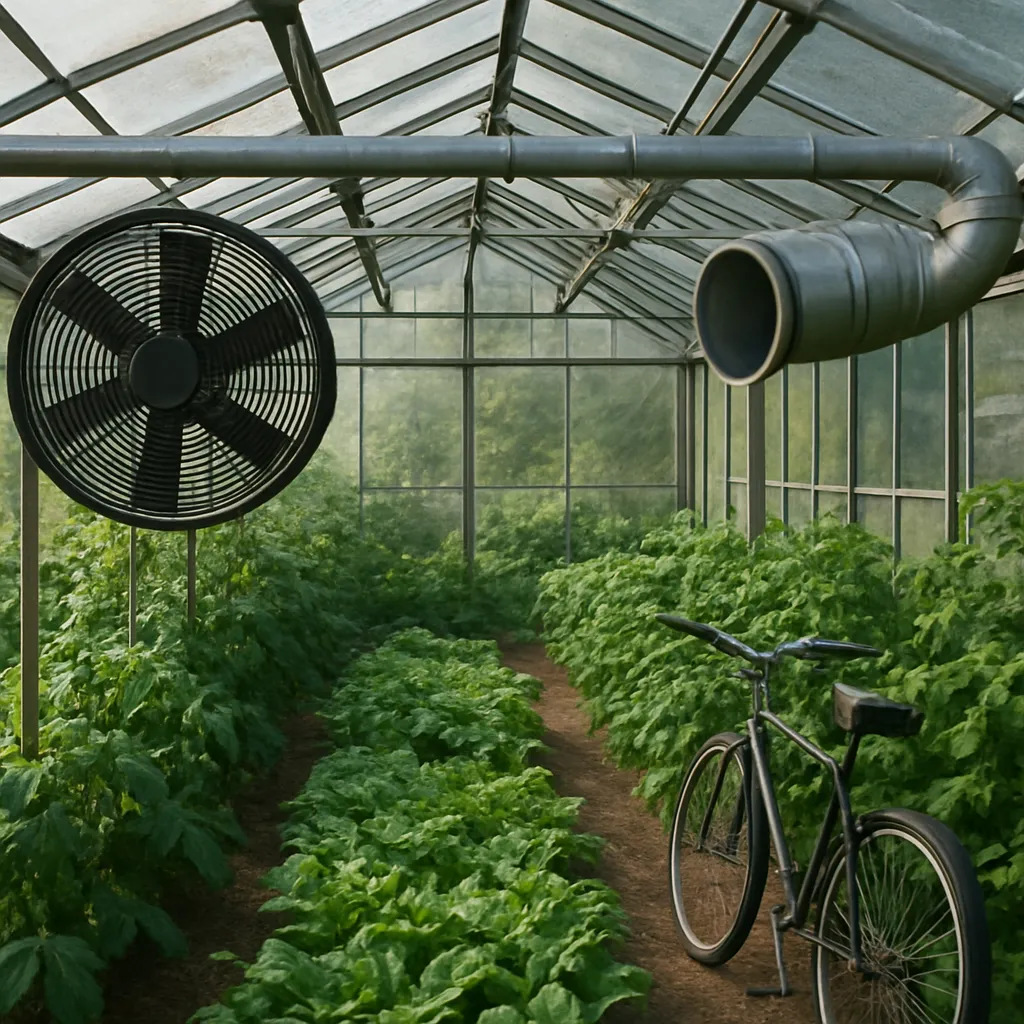
Enhancing air movement within a greenhouse is essential for creating a healthy and productive environment. Proper circulation reduces hotspots, controls humidity, and supports strong plant growth through improved photosynthesis. This guide covers practical methods to boost airflow, balance temperature, and maintain a uniform environment.
Understanding the Role of Air Circulation
Effective ventilation ensures that fresh air reaches every plant canopy, preventing pockets of stagnant air where moisture and pathogens can thrive. In a closed environment, warm air rises and cold air sinks, creating thermal stratification that can stress crops. By circulating air, growers can:
- Maintain consistent temperature levels from floor to ceiling.
- Reduce excessive humidity and limit condensation on surfaces.
- Enhance CO₂ distribution for optimal photosynthesis.
- Support disease prevention by inhibiting mildew and fungal growth.
Balancing these factors leads to improved plant vigor, higher yields, and greater energy efficiency by preventing overuse of heating or cooling systems.
Natural Ventilation Techniques
Leveraging natural airflow is often the most cost-effective strategy. By designing a greenhouse to harness wind and buoyancy effects, growers can achieve significant air exchange without mechanical systems.
Sidewall and Roof Vents
- Position sidewall vents low and roof vents high to create a chimney effect.
- Adjust vent angles to capture prevailing breezes and direct them inward.
- Install insect screens to allow air in while keeping pests out; choose screens with optimal mesh size to balance airflow and protection.
Roll-Up Sides and End-Wall Louvers
- Roll-up sides offer flexible ventilation during mild conditions; they can be adjusted manually or with automatic sensors.
- End-wall louvers facilitate cross-ventilation, especially when paired with roof vents; ensure both sides open evenly for uniform circulation.
Using Thermal Mass and Shading
- Incorporate barrels of water or stone floors to absorb heat by day and release it by night, stabilizing temperatures.
- Employ retractable shade cloths to reduce solar gain and minimize overheating during peak hours.
Mechanical Ventilation Systems
When natural methods are insufficient, mechanical systems offer precise control over air movement. Proper design and placement of equipment are key to maximizing airflow.
Circulation Fans
- Oscillating fans distribute air horizontally, preventing dead zones and improving crop uniformity.
- Ceiling-mounted fans push warm air down and mix temperature layers, reducing reliance on heating.
- Place fans at regular intervals; avoid pointing directly at delicate seedlings to prevent windburn.
Exhaust Fans and Intake Shutters
- Install exhaust fans at one end of the greenhouse and intake shutters at the opposite end to create a steady airflow path.
- Size fans according to greenhouse volume; aim for a complete air exchange every 1–2 minutes under hot conditions.
- Pair with motorized shutters or vents that open automatically based on thermostat or humidistat readings.
Horizontal Airflow (HAF) Fans
- HAF fans are smaller than standard circulation fans but create a gentle, uniform breeze through entire crop canopies.
- Mount fans low and angle them upward at 45 degrees to encourage mixing and prevent boundary layers around leaves.
Optimizing Environmental Factors
Achieving optimal conditions involves more than just moving air; it requires careful monitoring and integration of various systems.
Monitoring Temperature and Humidity
- Install digital sensors at plant height to capture accurate environmental data.
- Use data loggers and cloud-based platforms to track trends and adjust settings remotely.
- Set alarms for extreme temperature or humidity levels to prompt immediate corrective action.
Balancing CO₂ Enrichment
- Ensure proper circulation when supplementing CO₂ so that all plants benefit equally.
- Release CO₂ during daylight hours when stomata are open; mix it with incoming air using circulation fans.
Heating and Cooling Integration
- Coordinate heaters with circulation fans to distribute warmth evenly in cooler months.
- Utilize evaporative cooling pads or misting systems to lower temperatures; fans help disperse the cooled air rapidly.
Maintenance, Troubleshooting, and Technological Advances
Regular upkeep and adoption of new technologies ensure sustained performance of ventilation systems.
Routine Maintenance Practices
- Clean fan blades, shutters, and screens quarterly to remove dust and debris that hinder airflow.
- Lubricate motors and inspect belts for wear to prevent failures during peak demand.
- Verify calibration of thermostats, humidistats, and CO₂ controllers at the start of each season.
Troubleshooting Common Issues
- Uneven crop growth may indicate blocked vents or misaligned fans; perform a smoke test to visualize airflow patterns.
- Persistent high humidity could result from inadequate exhaust capacity; consider adding more fans or vents.
- Excessive energy bills may signal fans running unnecessarily; install variable-speed drives to adjust airflow based on real-time conditions.
Advanced Automation and Smart Controls
- Integrate environmental controls into a centralized greenhouse management system for seamless coordination.
- Employ AI-powered algorithms that predict temperature spikes and activate cooling or ventilation preemptively.
- Use wireless mesh networks of sensors to map microclimates and fine-tune fan speeds and vent positions accordingly.
Innovations in Passive and Active Systems
- Dual-pressure vent systems respond more quickly to changes in wind and temperature, optimizing energy efficiency.
- Phase-change materials embedded in walls and benches can absorb heat peaks and release energy later, aiding passive ventilation.
- Solar-powered fans offer off-grid solutions for remote or off-season operations.