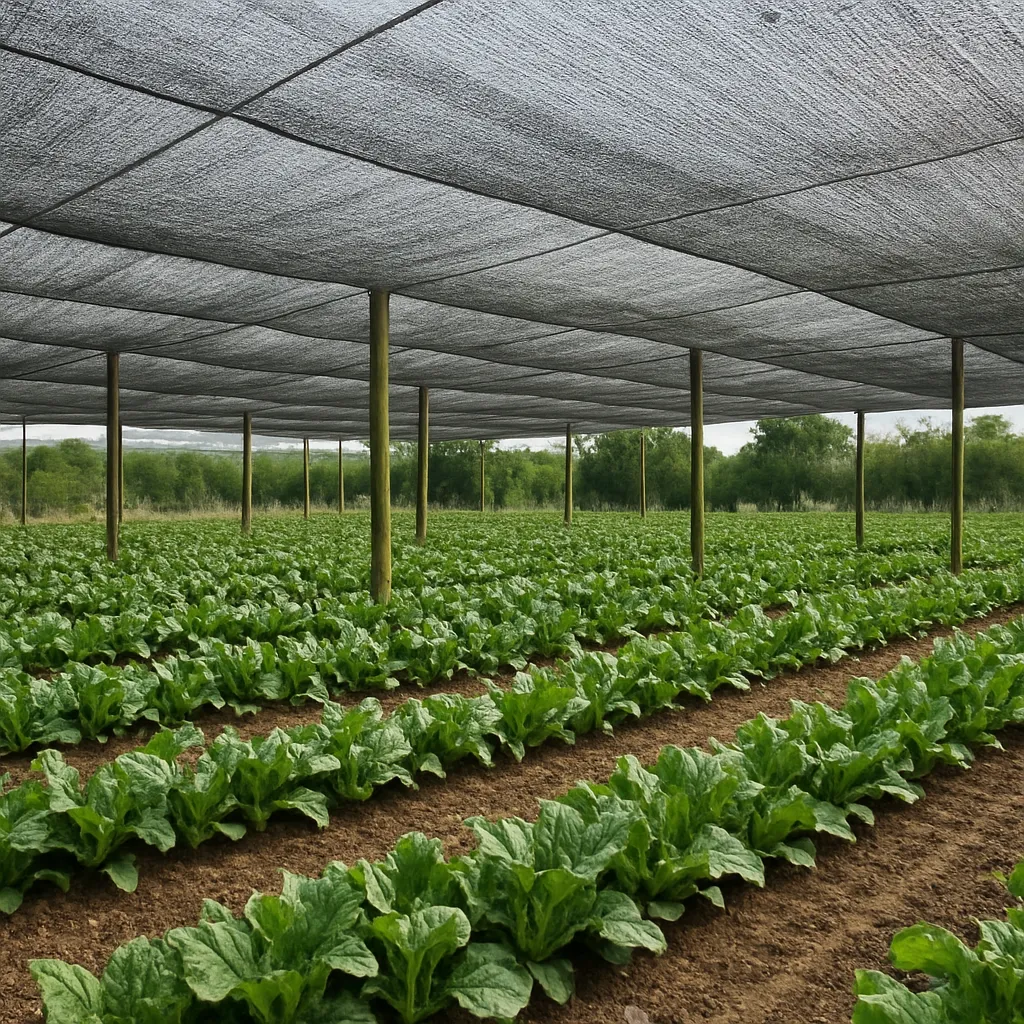
Growing crops under shade netting offers a versatile solution for farmers seeking to balance sunlight exposure, protect plants from extreme weather, and enhance overall productivity. By understanding the nuances of installing and managing shade structures, growers can achieve higher quality produce, improved growth rate, and reduced losses due to heat stress and environmental damage.
Understanding Shade Netting and Its Benefits
Shade netting, also known as shade cloth, comes in various densities and materials designed to filter sunlight. Its primary purpose is to create a protective barrier that reduces direct solar radiation while still allowing sufficient light for photosynthesis. Key advantages include:
- shade netting reduces plant stress by moderating temperature fluctuations.
- It improves air circulation, ensuring adequate ventilation and preventing fungal outbreaks.
- The netting offers UV protection which limits leaf scorching and sunburn.
- By controlling light intensity, crops can achieve a more uniform growth rate.
- Shade structures can extend the growing season by buffering against frost or excessive heat.
Selecting the Right Shade Netting for Your Crops
Choosing the correct shade net involves assessing crop requirements, climatic conditions, and production goals. Consider these parameters:
Shade Percentage
Different crops tolerate varying light intensities. For instance:
- Leafy greens (lettuce, spinach): 30–50% shade
- Fruits (tomatoes, peppers): 20–30% shade
- Nursery plants and shade-loving ornamentals: up to 70% shade
Material and Durability
Netting materials include high-density polyethylene (HDPE) and knitted or woven fabrics. HDPE nets are favored for their strength and resistance to tearing. When evaluating durability, look for:
- UV-stabilized fibers for longer service life
- Reinforced edges and UV-resistant ropes
- Manufacturer’s warranty and tensile strength ratings
Color Effects
Shade nets are available in green, black, white, and even red or blue. Color influences light spectrum transmission, impacting plant morphology and flowering. For example, red nets can enhance fruiting in some species by filtering green wavelengths.
Designing an Effective Shade Netting System
A well-designed structure ensures uniform coverage and easy maintenance. Follow these guidelines when planning your installation:
Structural Support
- Use galvanized steel or treated timber posts spaced according to net tension requirements (typically 3–5 meters apart).
- Install cross beams or cables at the top to anchor the netting securely.
- Consider retractable systems to adjust shade percentage seasonally.
Anchoring and Tensioning
Proper tension prevents sagging and pooling of water during rainfall. Employ turnbuckles or tension wheels at each corner. Inspect anchors regularly to maintain quality coverage.
Irrigation Integration
Integrating drip or micro-sprinkler lines within the shade house can optimize water distribution. This improves irrigation efficiency and ensures plants receive precise moisture levels while minimizing evaporation losses.
Optimizing Environmental Conditions
Creating a favorable microclimate under the shade netting demands careful management of temperature, humidity, light, and nutrient availability.
Temperature Control
- Monitor daytime highs and nighttime lows with digital sensors.
- Use evaporative cooling pads or oscillating fans to combat heat spikes.
- Ventilate side walls or open panels when ambient temperatures rise above optimal thresholds.
Humidity Management
Maintaining relative humidity between 60–80% can suppress the spread of diseases like powdery mildew. However, excessive moisture may encourage fungal outbreaks. Practices to balance humidity include:
- Adjusting ventilation settings based on dew point readings.
- Scheduling irrigation during morning hours to allow foliage to dry.
- Applying preventative fungicides or biofungal agents when necessary.
Nutrient Management
Under shade conditions, nutrient uptake rates can shift. To ensure robust plant health:
- Conduct regular soil or substrate tests.
- Adjust fertilization schedules to deliver balanced nutrient management.
- Incorporate organic matter or slow-release fertilizers to sustain growth.
Monitoring, Maintenance, and Troubleshooting
Regular inspections and prompt interventions are essential for a productive shade house. Key practices include:
- Daily monitoring of environmental sensors for temperature, humidity, and soil moisture.
- Weekly checks for tears, abrasions, or loose fittings in the netting fabric.
- Integrated pest management (IPM) to control pests such as aphids, whiteflies, and mites.
- Immediate removal and destruction of infected or infested plants to limit disease spread.
- Reinforcing tension lines and replacing worn-out anchors before the rainy or windy seasons.
By following these guidelines—selecting the appropriate materials, designing a robust structure, optimizing the internal environment, and maintaining diligent monitoring—growers can harness the full potential of shade netting to boost crop yield while practicing sustainable agriculture.