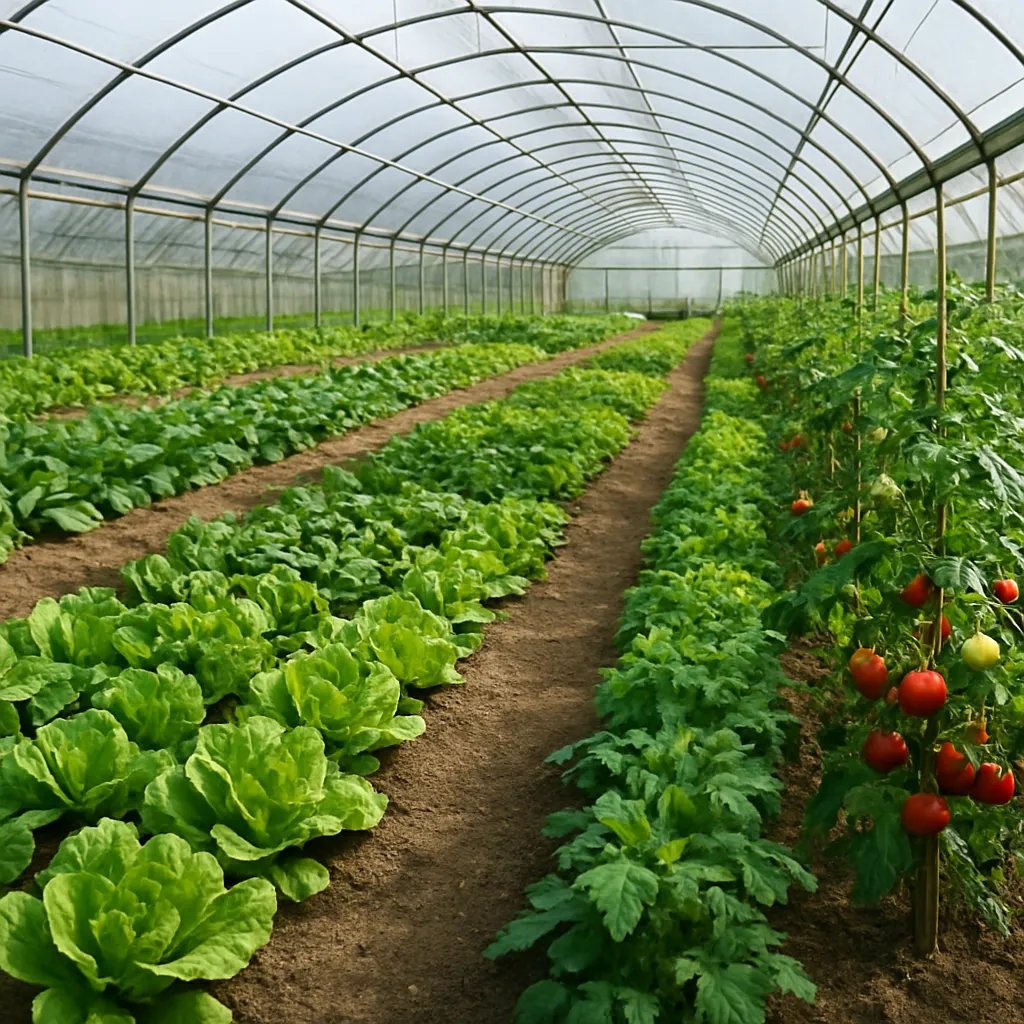
Producing abundant, high-quality vegetables and fruits throughout the coldest months requires a **greenhouse** system designed for continuous productivity. By mastering key elements such as temperature control, **humidity** management, and strategic crop scheduling, farmers and hobbyists alike can enjoy fresh produce year-round. This guide outlines practical steps to optimize your growing environment, select the right varieties, and maintain plant health under controlled conditions.
Understanding Year-Round Greenhouse Agriculture
Greenhouses create a protected microclimate that shields plants from extreme weather and pests. To achieve consistent yields, it’s crucial to grasp the fundamentals:
- Microclimate Control: Balancing heat, light, and moisture ensures optimal growth. Excessive fluctuations can stress plants and slow development.
- Heat Retention: Effective insulation helps reduce energy costs. Double-layer polyfilm or rigid panels trap solar radiation after sunset.
- Light Management: Supplemental LED or high-pressure sodium lamps can extend the **photoperiod** during short winter days.
- Ventilation: Proper air exchange prevents overheating, controls humidity, and reduces disease pressure by removing stale air.
Key Environmental Factors
- Temperature range: 18–24 °C for most leafy greens; higher for fruiting crops.
- Relative humidity: Maintain 50–70% to minimize fungal issues.
- CO₂ enrichment: Levels around 800–1,000 ppm boost photosynthesis and yield.
Designing and Maintaining an Optimal Environment
Creating a consistent environment involves both passive features and active systems. Careful planning reduces surprises and keeps your labor manageable.
Insulation and Structure
- Choose framing materials (aluminum, wood, or PVC) with low thermal bridging.
- Install bubble wrap or thermal screens for nighttime insulation.
- Seal all gaps, doors, and vents to eliminate drafts.
Heating and Cooling Solutions
- Use radiant heaters or under-bench heating mats for uniform soil warmth.
- Implement evaporative coolers, shade cloth, and ridge vents to reduce summer heat peaks.
- Integrate thermostats with remote monitoring to fine-tune conditions automatically.
Lighting Strategies
- Deploy full-spectrum LEDs to support photosynthesis during low-insolation days.
- Position lights at the correct height (30–60 cm above canopy) to prevent burning and ensure even coverage.
- Program light cycles to mimic natural seasons or accelerate growth by extending day length to 16–18 hours.
Crop Selection and Rotation Strategies
Not all plants thrive under the same conditions. Proper rotation and crop choice prevent nutrient depletion and pest buildup.
Choosing the Right Varieties
- Leafy greens (lettuce, spinach, kale): Fast turnover, low heat requirements, high value per square meter.
- Herbs (basil, cilantro, parsley): Compact growth, marketing appeal, and **hydroponics** compatibility.
- Fruit-bearing crops (tomatoes, peppers, cucumbers): Higher light and warmth needs; consider supplemental CO₂.
- Microgreens and shoots: Ultra-short cycles (7–14 days), minimal space, high returns.
Crop Rotation and Succession Planting
Implement these practices to maintain soil fertility and disrupt pest life cycles:
- Rotate families: Avoid planting two nightshade crops (tomato, pepper) in the same bed consecutively.
- Use cover crops: Legumes or buckwheat can fix nitrogen and improve soil structure during downtime.
- Stagger sowing dates: Ensure a continuous flow of produce and reduce peak labor demands.
Integrated Pest Management and Disease Control
Vigilance and prevention are more cost-effective than reacting to outbreaks. A multi-pronged approach keeps your operation resilient.
Monitoring and Early Detection
- Install sticky traps and pheromone lures to track common greenhouse pests (whiteflies, fungus gnats).
- Conduct weekly inspections of leaves (undersides), stems, and soil surface for signs of infestation.
- Record data digitally to identify trends and assess treatment efficacy over time.
Biological Controls
- Encourage beneficial insects (ladybugs, predatory mites) by providing habitat and nectar sources.
- Apply microbial agents (Bacillus thuringiensis, Beauveria bassiana) for targeted control of caterpillars and fungus gnats.
- Release banker plants (aphid-rearing plants) to sustain populations of beneficial predators.
Sanitation Practices
- Sanitize benches, tools, and containers between crops with approved disinfectants.
- Remove plant debris promptly to eliminate breeding grounds for pathogens.
- Quarantine new plant material for 7–10 days to prevent disease introduction.
Sustainability and Resource Efficiency
Maximizing yields while minimizing inputs safeguards both profitability and the environment. Implementing resource-efficient tactics pays dividends long-term.
Water Management
- Adopt drip irrigation or ebb-and-flow benches to reduce water use by up to 50% compared to overhead systems.
- Collect and store rainwater for irrigation to lower utility costs and conserve municipal supplies.
- Recycle nutrient-rich runoff through a closed-loop hydroponic setup, adjusting **monitoring** probes regularly for optimal pH and EC.
Energy Conservation
- Pair solar panels with battery storage to offset peak electricity rates.
- Use energy curtains during nighttime hours to retain heat and reduce heater runtime.
- Invest in high-efficiency fans and pumps rated for greenhouse applications.
Waste Reduction
- Compost spent growing media and plant residues to return organic matter to outdoor fields or container gardens.
- Reuse plastic trays and pots after thorough sanitization to reduce landfill contributions.
- Partner with local composting facilities or community gardens to redistribute surplus byproducts.
Year-round greenhouse production demands attention to detail, thoughtful planning, and ongoing adaptation. By prioritizing **sustainability**, proper environmental control, integrated pest management, and strategic crop choices, growers can secure a steady supply of fresh produce regardless of external weather. Embrace technology, monitor diligently, and refine your processes to unlock the full potential of protected cultivation.