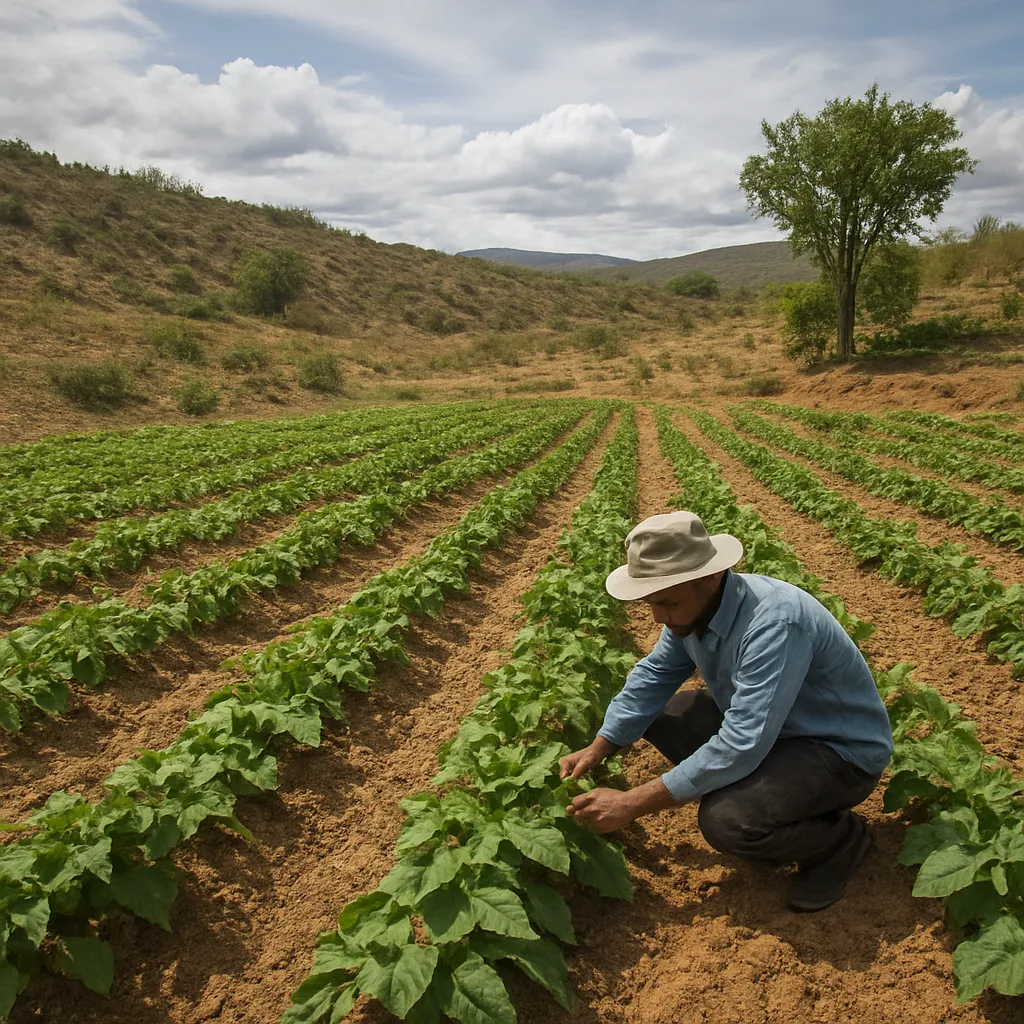
Farming on marginal tracts involves turning less-than-ideal soil and climatic conditions into opportunities for sustainable production. With careful planning and innovative approaches, growers can maximize yield without exhausting natural resources. This guide outlines essential techniques for cultivating crops on marginal land, focusing on careful variety selection, soil health enhancement, water-saving methods, and sustainable practices.
Selecting Appropriate Crop Varieties
Choosing the right plant species and cultivars is the first step toward success on challenging terrain. Prioritize crops with natural resilience to stresses like drought, salinity, and low fertility. Consider the following factors when making your selection:
- Drought-resistant traits: Opt for varieties bred to thrive with minimal moisture, reducing irrigation needs.
- Root architecture: Deep or extensive root systems improve access to subsoil moisture and nutrients.
- Low input requirements: Some legumes and hardy cereals can fix nitrogen or tolerate poor nutrient levels.
- Market value: Balance adaptive features with economic returns to ensure long-term viability.
Perennial Versus Annual Options
Perennials like alfalfa or miscanthus reduce the need for frequent tillage, helping maintain soil structure. Annuals such as sorghum and millet can be rotated in mixed systems to optimize resource use.
Improving Soil Health and Fertility
Soil on marginal land often suffers from erosion, compaction, or nutrient depletion. Restoring its productivity calls for a multi-faceted approach:
- Cover cropping: Planting legumes, buckwheat, or mustard between main crops builds organic matter and suppresses weeds.
- Organic amendments: Adding compost, manure, or biochar enhances cation exchange capacity and holds moisture.
- Reduced tillage: Minimizing mechanical disturbance preserves soil aggregates and reduces erosion risk.
- Crop rotation: Alternating cereal and legume families breaks pest cycles and balances nutrient demand.
Enhancing Microbial Activity
Beneficial microbes drive nutrient cycling. Techniques to boost their populations include:
- Applying mycorrhizal fungi inoculants for improved phosphorus uptake.
- Maintaining a pH level between 6.0 and 7.0 to support diverse microbial communities.
- Using green manures such as clover or vetch to feed soil life during off-seasons.
Efficient Water Management Strategies
Marginal lands often border on drought-prone regions, making efficient water use critical. Implementing these methods can stretch every drop:
- Drip irrigation delivers water directly to the root zone, reducing evaporation losses by up to 50%.
- Mulching with straw or wood chips maintains soil moisture and lowers surface temperatures.
- Rainwater harvesting systems store runoff in ponds or tanks for supplemental irrigation.
- Contour bunding and terracing slow runoff on sloped fields, improving infiltration and sediment control.
Scheduling and Monitoring
Adopt soil moisture sensors or tensiometers to prevent both overwatering and drought stress. Scheduling irrigation based on crop growth stages maximizes yield while conserving water.
Implementing Sustainable Farming Techniques
Long-term productivity on marginal land depends on maintaining ecological balance. Embrace practices that support biodiversity and resource efficiency:
- Agroforestry: Integrating trees or shrubs provides shade, wind protection, and organic litter for soil enrichment.
- Intercropping systems: Planting complementary species together—such as maize with cowpeas—boosts overall productivity and pest suppression.
- Integrated pest management (IPM): Use biological controls, pheromone traps, and resistant varieties instead of relying solely on chemicals.
- Minimal chemical inputs: Reduce synthetic fertilizer use by leveraging organic sources and precision application techniques.
Leveraging Technology
Digital mapping tools, drone imagery, and precision GPS equipment can identify variability in soil properties and guide targeted interventions, lowering costs and environmental impacts.
Key Takeaways for Marginal Land Cultivation
- Begin with stress-adapted varieties tailored to local conditions.
- Rebuild soil structure and fertility through organic matter additions and reduced disturbance.
- Conserve water via drip systems, mulching, and landscape engineering.
- Adopt holistic, sustainable practices that enhance biodiversity and system resilience.
Successfully growing crops on marginal land is not a matter of chance but of informed decision-making and adaptive management. By committing to continuous improvement and embracing innovation, farmers can unlock the hidden potential of every acre, contributing to global food security while preserving environmental integrity.