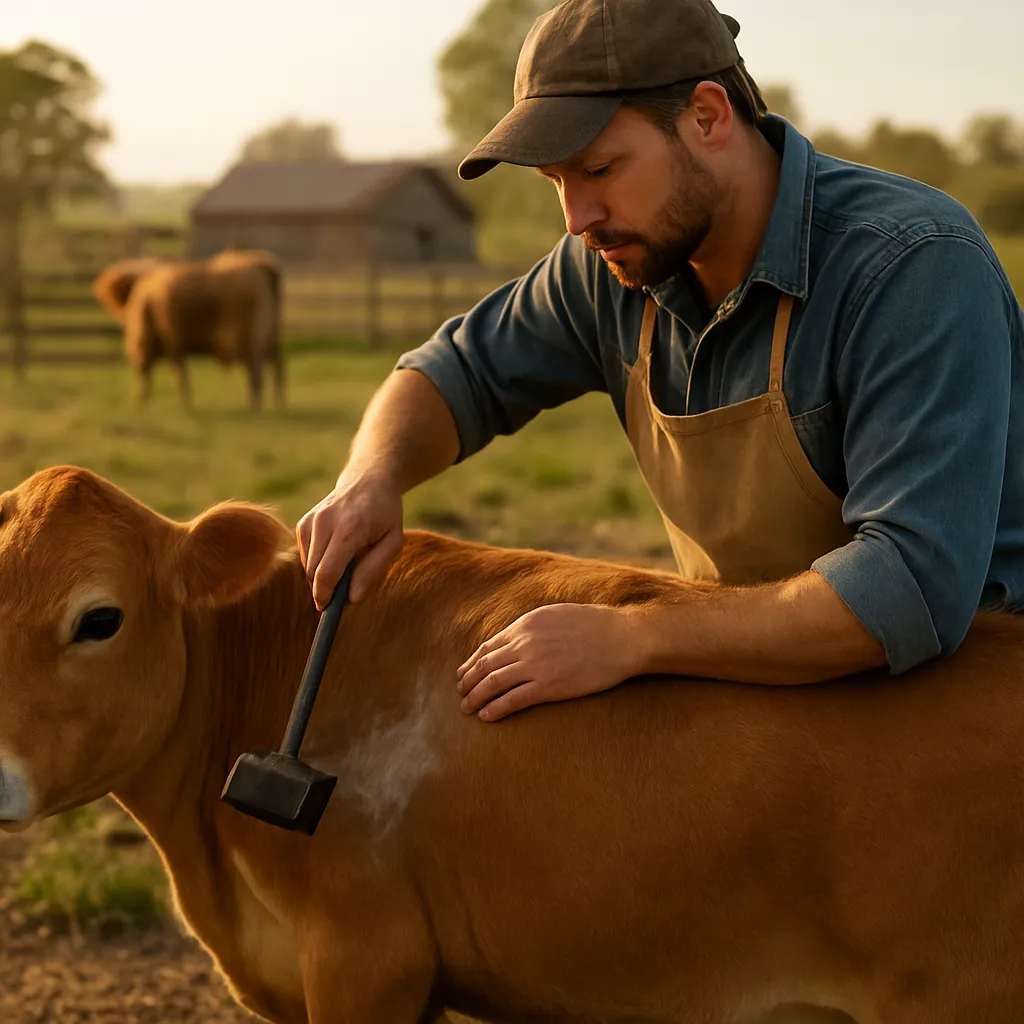
Creating a memorable small farm brand involves more than just a catchy name or a pretty logo. It requires careful planning, consistent visuals, and genuine connections with your audience. In this guide, you’ll discover practical tips on how to craft a distinctive identity, understand your market, and communicate your values effectively. Let’s explore the essential steps that will help your farm stand out in a crowded marketplace and foster customer loyalty for years to come.
Brand Identity and Vision
Defining Your Core Values
Before anything else, take the time to articulate your farm’s mission, vision, and values. This foundational work will guide every decision you make, from the products you grow to the way you share your story. A clear identity helps customers resonate with your offering on an emotional level.
- Mission Statement: Summarize why your farm exists and what impact you aim to achieve.
- Vision Statement: Paint a picture of where you want your brand to be in the future.
- Core Values: Highlight principles like sustainability, community, or organic practices.
Crafting Your Unique Selling Proposition
Your Unique Selling Proposition (USP) sets you apart from competitors and gives customers a compelling reason to choose your farm. Consider your strengths:
- Heritage or family traditions
- Innovative farming techniques
- Eco-friendly packaging
- Personalized customer service
Document your USP clearly and weave it into every aspect of your branding.
Understanding Your Market and Audience
Conducting Effective Market Research
Informed decisions start with solid market research. Gather data on local demographics, consumer preferences, and emerging trends in agriculture and food products. Two primary methods include:
- Surveys and Interviews: Talk directly with potential customers or partner businesses.
- Secondary Research: Analyze reports, industry publications, and online forums.
Use insights to pinpoint the most promising segments and tailor your offerings accordingly.
Identifying Your Ideal Customer
Develop buyer personas that capture the characteristics of your ideal customers. Include details like:
- Age, income level, and family status
- Values and lifestyle choices
- Shopping habits and preferred communication channels
With clear personas, you can create targeted marketing messages that resonate and drive engagement.
Building Your Visual Identity
Designing a Memorable Logo
Your farm’s logo is the centerpiece of its visual identity. A strong logo should be:
- Simple and versatile
- Reflective of your brand’s personality
- Easily recognizable in different sizes and formats
Partner with a skilled designer to ensure professional quality. Once finalized, apply your logo consistently across all touchpoints.
Selecting a Cohesive Color Palette and Typography
Colors and fonts play a crucial role in conveying your brand’s mood. Consider these guidelines:
- Choose 2–3 primary colors that reflect your farm’s environment or products.
- Pair a distinctive headline font with a readable body font.
- Maintain consistency in size, spacing, and alignment.
Consistency builds trust and reinforces brand recognition over time.
Creating Effective Packaging and Labels
Packaging is where your brand meets the consumer. Thoughtful packaging can elevate perceived value and boost sales:
- Use sustainable or reusable materials to align with eco-friendly values.
- Include clear product information: weight, origin, and usage tips.
- Add your logo, color palette, and tagline cohesively.
Well-designed labels make products more appealing on crowded shelves or farmers’ markets.
Establishing an Online Presence
Building a User-Friendly Website
In today’s digital age, a strong website is essential. Key elements include:
- Clean layout with intuitive navigation
- High-quality images of your farm, products, and team
- Clear calls-to-action (CTA) for purchases or newsletter sign-ups
- Mobile responsiveness for customers on the go
Integrate an e-commerce platform if you plan to sell directly online. Ensure secure payment processing and easy checkout.
Leveraging Social Media Channels
Social media offers a direct way to engage with your audience. Focus on 2–3 platforms where your customers spend the most time:
- Share behind-the-scenes photos, harvest updates, and customer testimonials.
- Host live Q&A sessions or farm tours to build authenticity.
- Use targeted ads to reach new audiences based on interests and location.
Track metrics like engagement rate and follower growth to refine your strategy.
Content Marketing and Blogging
Publish regular blog posts or videos sharing agriculture tips, recipes, and farming stories. Valuable content positions your farm as an authority and improves search engine rankings. Topics might include:
- Seasonal planting guides
- Farm-to-table recipes
- Profiles of team members or partner artisans
Storytelling and Authentic Marketing
Crafting Compelling Narratives
Your brand’s strength lies in its authenticity and storytelling. A well-told story can:
- Humanize your farm by sharing challenges and triumphs
- Illustrate your commitment to quality and sustainability
- Create an emotional bond that drives repeat purchases
Incorporate stories into product labels, social posts, and your website.
Engaging with Community and Events
Participate in farmers’ markets, local fairs, and community-supported agriculture (CSA) programs. Face-to-face interactions let you:
- Demonstrate product quality firsthand
- Collect direct feedback from customers
- Foster word-of-mouth referrals
Community engagement reinforces your brand’s position as a trusted local resource.
Measuring Success and Adapting
Key Performance Indicators
Track relevant metrics to evaluate your branding efforts. Important KPIs include:
- Website traffic and conversion rates
- Social media engagement and follower growth
- Product sales volume and repeat customer rate
- Customer feedback scores or reviews
Continuous Improvement
Use data-driven insights to refine your approach. Regularly revisit your:
- Brand messaging and visuals
- Product offerings and pricing
- Marketing channels and ad strategies
Staying flexible and responsive ensures your farm brand remains competitive and relevant in a changing market.