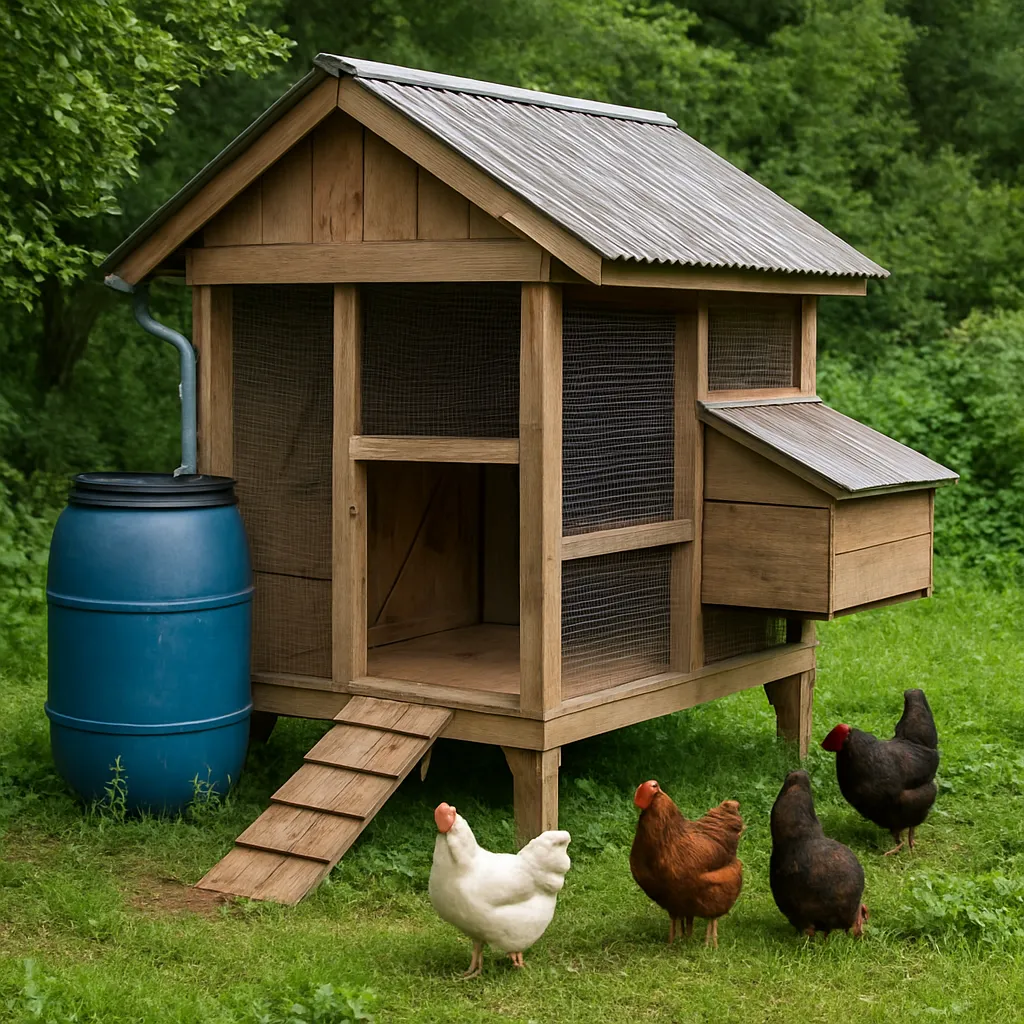
Building a resilient and eco-friendly home for your flock can transform the way you approach backyard farming. A well-planned and constructed poultry coop not only improves the health and happiness of your birds but also minimizes environmental impact and operating costs. By focusing on resource efficiency, animal welfare, and low-impact materials, you can create a thriving habitat that supports sustainable agriculture goals.
Choosing the Right Location and Layout
Assessing Sunlight and Shade
Positioning your coop under partial shade helps regulate internal temperatures. Observe your yard at different times of day to note the sun’s path. Aim for morning sun to warm the structure before midday heat, and afternoon shade to prevent overheating.
Proximity to Water and Utilities
- Locate the coop near an existing water supply to simplify cleaning and drinking systems.
- Ensure easy access to electricity or solar hookups for lighting, heating, or ventilation fans.
Terrain and Drainage
Elevate the foundation on slightly sloped ground to promote rainwater harvesting and natural runoff. Avoid depressions where water might pool. Installing a gravel base beneath the flooring can further improve drainage and reduce moisture-related problems.
Selecting Eco-Friendly Materials
Natural and Local Resources
Whenever possible, source natural materials like reclaimed wood, bamboo, or straw bales. These options reduce your carbon footprint and often cost less than new, industrial products. Check salvage yards for untreated lumber and reclaimed windows.
Recycled and Upcycled Components
Use recycled steel or salvaged fencing for strong, long-lasting framing. Upcycled pallets can become ramps or nest boxes after thorough cleaning and disassembly. Incorporating reused pieces aligns with zero-waste goals.
Insulation and Weatherproofing
Maintain consistent internal temperatures by installing insulation made from sheep’s wool or recycled denim. Weatherstrip doors and windows to exclude drafts, and seal gaps with natural caulk. A well-insulated coop reduces heating needs in winter and cooling loads in summer.
Building the Coop Framework
Foundation and Flooring
- Concrete piers or treated posts elevate the structure, limiting moisture contact and wood decay.
- Install removable floor trays or raised slatted floors to simplify manure collection and cleaning.
Wall and Roof Construction
Frame walls using dimensioned lumber or steel studs. Cover with exterior-grade plywood or corrugated metal sheets. For the roof, choose a lightweight metal or recycled shingles. Incorporate a slight pitch (at least 2:12) for effective runoff.
Doors, Windows, and Access Points
Install a wide, inward-opening door for easy access and safety. Use mesh-covered windows for daylight and airflow while keeping out predators. Consider adding a human-sized maintenance hatch and several nesting box doors for egg collection.
Implementing Energy-Efficient Systems
Ventilation and Airflow
Proper ventilation prevents moisture buildup and ammonia accumulation. Combine ridge vents with adjustable soffit or gable vents to promote a continuous flow of fresh air. In colder climates, use flapper-style vents at chicken head height to avoid chilling.
Heating and Cooling Solutions
- Solar-powered attic fans or small photovoltaic panels can drive circulation fans without grid dependence.
- Thermal mass elements, such as barrels of water painted black, absorb heat by day and release it at night to moderate temperatures.
Rainwater Harvesting and Water Management
Install gutters on the coop roof leading to a storage tank or barrel. Filter debris with mesh screens to maintain water quality for drinking and cleaning. A gravity-fed system with a float valve simplifies automatic water dispensers for the birds.
Ensuring Safety and Animal Welfare
Predator-Proofing Strategies
- Bury hardware cloth at least 12 inches below ground level and bend it outward to deter burrowers.
- Reinforce windows and vents with welded wire mesh and secure doors with latch guards.
- Predator-proof exterior lights deter nocturnal animals around the perimeter.
Nesting and Roosting Comfort
Provide one nesting box per 3–4 hens, lined with soft straw or hemp bedding. Position boxes in darker, enclosed corners to reduce stress. Install roosts 18–24 inches above the floor, using rounded wooden dowels for foot health.
Manure Management and Composting
Collect droppings using removable trays or deep-litter methods. Turn spent bedding into compost for garden use. Incorporate layers of carbon-rich materials like wood shavings or chopped straw to balance nitrogen levels. This composting process reduces odors and delivers nutrient-rich soil amendment.
Long-Term Maintenance and Upkeep
Cleaning Routines
Establish weekly spot cleaning and quarterly deep cleans. Use biodegradable disinfectants or vinegar solutions. Replace bedding in nesting boxes and trays regularly to maintain hygiene and prevent parasites.
Health Monitoring and Biosecurity
- Inspect birds daily for signs of illness, parasites, or injury.
- Footbaths with diluted disinfectant at entry points help control disease spread.
- Limit visitor access and quarantine new stock away from the main flock for at least two weeks.
Upgrades and Adaptations
Review your coop’s performance each season. Add insulation, shading, or new ventilation features as needed. Integrate additional solar panels or thermal elements for improved energy-efficient operation. Continuous adaptation ensures your coop remains a model of sustainable design and keeps your poultry healthy and productive.