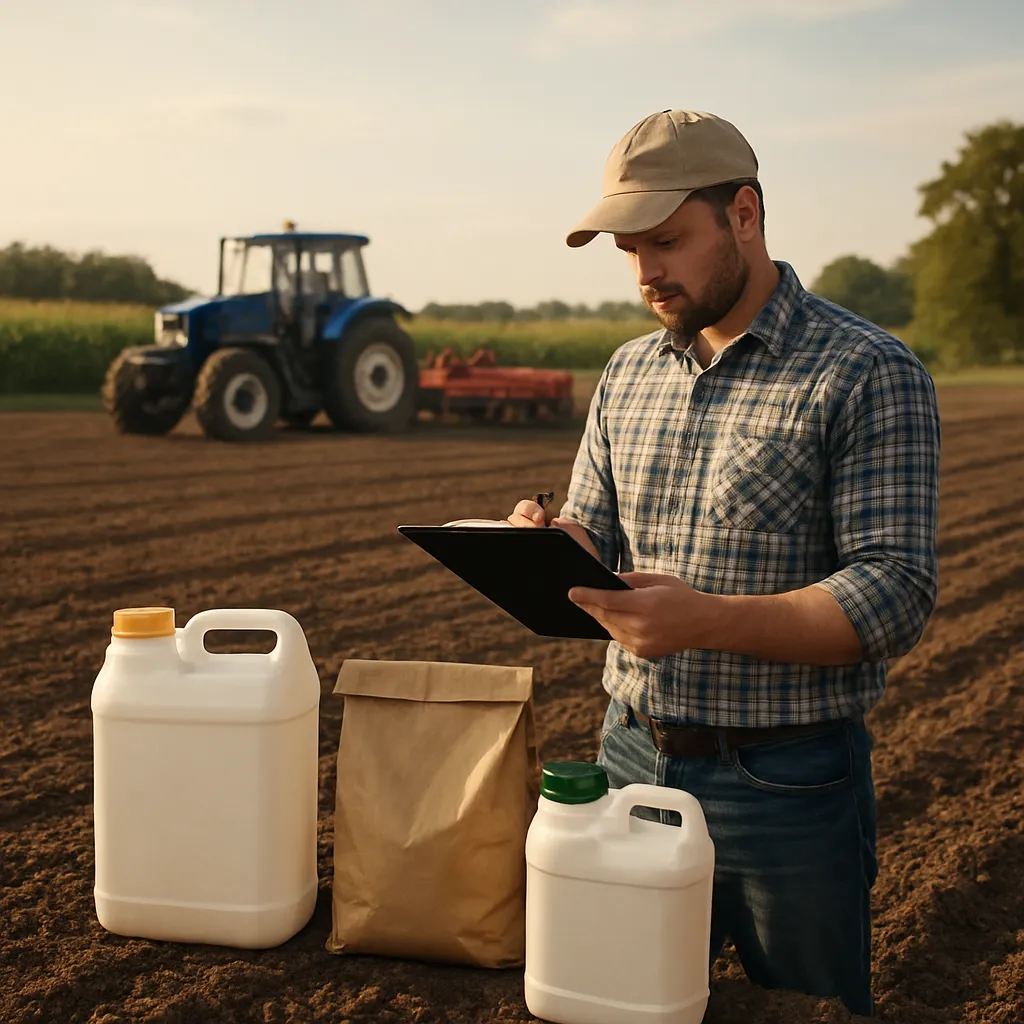
Efficient management of farm inputs can dramatically influence both productivity and profitability. This guide outlines actionable strategies to help growers optimize resource use, reduce waste, and enhance overall farm performance. By integrating modern practices, equipment, and financial approaches, farmers can achieve higher yield while embracing sustainability.
Resourceful Nutrient Management
Balancing soil fertility is crucial for robust crop growth. Implementing precise nutrient plans minimizes input costs and environmental impact. Here’s how to refine your approach:
1. Soil Testing and Analysis
Regular soil assessments reveal nutrient deficiencies and pH imbalances. Combining lab results with field observations ensures tailored amendment plans. Key steps:
- Collect representative samples from multiple zones.
- Analyze macro- and micronutrients, organic matter, and pH.
- Adjust fertilization schedules based on test outcomes.
Through consistent monitoring, you can avoid over-application of fertilizer and maintain optimal soil health.
2. Variable-Rate Application
Using GPS-guided spreaders and planters allows variable-rate nutrient delivery. By mapping field variability, farmers match input rates to actual crop needs:
- Create prescription maps using yield data and soil tests.
- Deploy equipment capable of in-field rate adjustments.
- Track application records to refine future plans.
Variable-rate strategies boost nutrient-use efficiency and reduce runoff.
Enhancing Water Use Efficiency
Water scarcity and rising costs make efficient moisture management indispensable. Advances in irrigation technology and field practices deliver significant savings.
1. Advanced Irrigation Systems
Shifting from traditional flooding to drip or pivot systems allows precise water delivery:
- Drip irrigation targets the root zone, reducing evaporation losses.
- Center pivots with variable-rate irrigation modulate water based on soil texture.
- Soil moisture sensors inform on-demand scheduling.
Combined with weather forecasting, these systems prevent both overwatering and stress-induced yield reductions.
2. Soil Moisture Monitoring
Implementing sensors and data loggers provides real-time insights into field conditions:
- Install moisture probes at varying depths to capture moisture profiles.
- Integrate sensor data with farm management software for alerts.
- Use handheld meters for spot checks during critical growth stages.
Real-time monitoring helps schedule irrigation events when crops truly need moisture, safeguarding both plants and resources.
Modern Machinery and Technology
Equipment upgrades and digital tools have revolutionized how inputs are assessed and applied. Investing in the right technologies can deliver long-term returns.
1. Precision Agriculture Platforms
Software solutions bring together multiple data streams—yield maps, satellite imagery, sensor readings—into a unified dashboard:
- Crop health imaging highlights stressed zones for targeted treatment.
- Mapping tools overlay field layers to optimize seeding and fertilization.
- Historical data analyses reveal trends and guide decision-making.
These platforms enable continuous improvement through actionable insights and automation.
2. Autonomous Machinery
From driverless tractors to robotic weeders, automation cuts labor demands and enhances precision:
- GPS-guided tractors maintain consistent passes, reducing overlap.
- Autonomous sprayers identify weeds and apply herbicides spot-on.
- Robotic harvesters optimize timing and minimize crop loss.
Adoption of autonomous solutions demands initial investment but often pays back via reduced labor and input costs.
Financial Strategies for Input Optimization
Smart budgeting and analysis ensure that every dollar spent on farm inputs yields maximum benefit. Implement these financial practices to stay ahead.
1. Input Cost Tracking
Maintain detailed records of expenditures on seeds, nutrients, fuel, and labor. Comparative assessments reveal areas for efficiency gains:
- Use farm management software to log invoices and receipts.
- Generate monthly reports to spot spikes in costs.
- Benchmark against historical seasons and peer operations.
Systematic tracking uncovers hidden inefficiencies, enabling timely corrective action.
2. Risk Management and Insurance
Protecting investments against weather extremes and market volatility secures your bottom line:
- Purchase crop insurance tailored to regional risks.
- Explore futures contracts to lock in favorable commodity prices.
- Diversify crop portfolios to spread exposure.
Combining risk mitigation with efficient input use creates a resilient farm enterprise.
Integrating Analytics for Continuous Improvement
Data-driven strategies form the backbone of modern agriculture. By analyzing performance metrics, farmers can refine practices season after season.
1. Performance Metrics
Key indicators include:
- Input use efficiency (kg yield per kg input).
- Water productivity (kg yield per m³ water).
- Energy consumption per hectare.
Regularly reviewing these metrics identifies high-performing areas and those needing attention.
2. Adaptive Management
Implement a continuous feedback loop:
- Collect data during planting, mid-season, and harvest.
- Compare outcomes against targets and past performance.
- Adjust resource allocations and techniques for next cycle.
Over time, this cyclical approach fosters higher efficiency and sustainable growth.