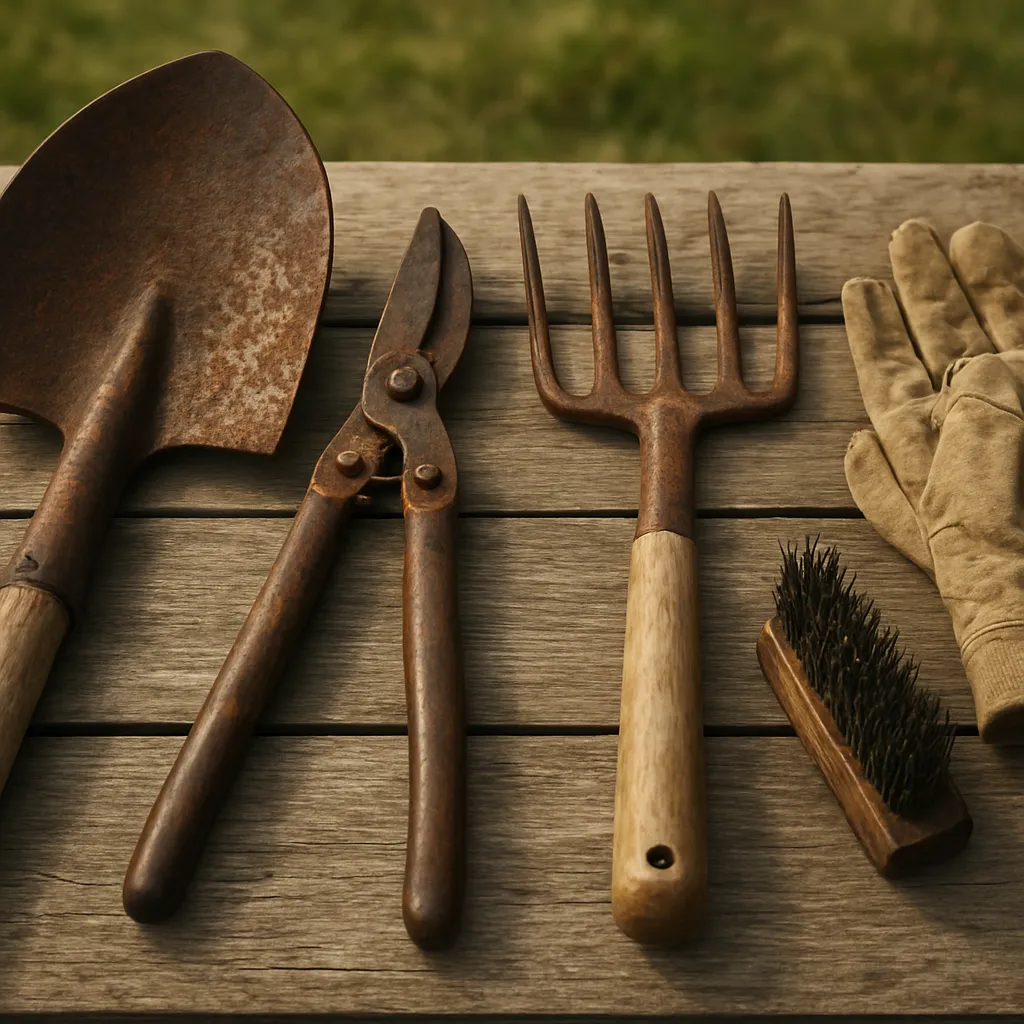
Every season on the farm brings its own challenges, and one constant concern is keeping tools in prime condition. Neglecting equipment not only shortens its lifespan but can also hinder productivity and increase costs. By implementing a few simple practices, you can prevent damage, boost efficiency, and extend the life of your favorite hand tools, power implements, and harvesting gear.
Understanding the Science of rust Formation
Rust is the visible result of oxidation, a chemical reaction between iron, oxygen, and moisture. When water or humidity contacts bare metal, microscopic pits form under the surface, allowing oxygen molecules to bond with iron. Over time, this process creates flaky iron oxide that eats away at the metal, compromising its strength and appearance.
- Temperature swings exacerbate corrosion by causing metal expansion and contraction.
- Acidic soils and fertilizers can accelerate rust on exposed edges.
- Salt particles, especially in coastal or wintery regions, attract moisture and speed up degradation.
Understanding these factors makes it easier to design a proactive plan for protection and upkeep.
Routine Cleaning and inspection Practices
Regular cleanup is the cornerstone of tool care. Removing dirt, sap, and plant residues not only keeps implements sanitary but also reveals early signs of wear or rust. Follow these steps after each use:
- Brush off loose soil and debris with a stiff nylon or brass-bristled brush.
- Wipe metal surfaces with a damp cloth dipped in mild soapy water, then dry thoroughly.
- Inspect handles and ferrules for cracks or splits; wood fibers can trap moisture and harbor corrosion.
- Check blade edges and pivot points—these high-stress areas often show discoloration first.
Dedicated cleaning stations near work areas can streamline the process. Keep a small bucket of water, cloths, and brushes on hand so no one skips this vital step.
Protective Coatings and lubrication Techniques
Applying a barrier layer prevents water molecules from anchoring to metal surfaces. Here are some popular methods:
Oils and Waxes
- Use mineral oil, motor oil, or specialized tool oil on blades and moving parts.
- Apply a thin coat of beeswax or paraffin wax to handles and metal surfaces for added water resistance.
Paints and Sprays
- Rust-resistant spray paints seal the finish on shovels, hoes, and rakes.
- Anti-corrosion aerosol treatments penetrate crevices and protect pivot bolts.
Galvanization and Plating
- Consider purchasing galvanized models for shovels and spades that see heavy ground contact.
- Electroplated or powder-coated tools offer long-lasting coatings with minimal upkeep.
When to Apply Oil: After every cleaning session or whenever a tool looks dry. A light sheen is enough to block moisture without causing grime buildup.
Optimal storage Strategies on the Farm
Even the best-coated equipment can succumb to rust if left in damp, unventilated areas. Implement these proven approaches:
- Hang tools from pegboards or wall-mounted racks to keep them off the ground.
- Store heavy implements on shelves with rubber mats to absorb moisture.
- Use plastic bins with tight-fitting lids for small parts and hand tools; add desiccant packs to each container.
- Allocate a sealed cabinet or closet for power tool attachments and blades.
Proper storage also streamlines workflow, making it easier to locate and grab the right tool when you need it most.
Seasonal maintenance Scheduling
Adopt a calendar-based routine to ensure no implement slips through the cracks. A simple schedule might include:
- Early spring: Complete disassembly, deep cleaning, blade sharpening, and re-oiling.
- Mid-summer: Quick wipe-downs after heavy use and a refresh of protective sprays.
- Late autumn: Thorough dry cleaning, application of long-term wax coatings, and indoor relocation.
- Winter: Monthly check-ups inside a heated or well-ventilated area to remove any emerging rust.
Link your maintenance plan to major farm milestones—planting, harvest, and equipment inspections. Consistency is key to preserving durability and performance year after year.
Quick Field-Side Tips for On-the-Spot Rust Prevention
When you’re out in the field, full maintenance stations aren’t always within reach. Keep a small kit in your tractor or utility vehicle containing:
- A spray bottle filled with a blend of water and mild dish soap for rapid cleaning.
- A pocket-sized can of multi-purpose oil for emergency lubrication.
- Steel wool or a folded scouring pad for removing tiny rust spots on the go.
- A folded cloth or microfiber towel for quick drying.
By performing these swift interventions after each use, you’ll stop potential corrosion in its tracks, allowing tools to return to their proper storage environment in prime condition.