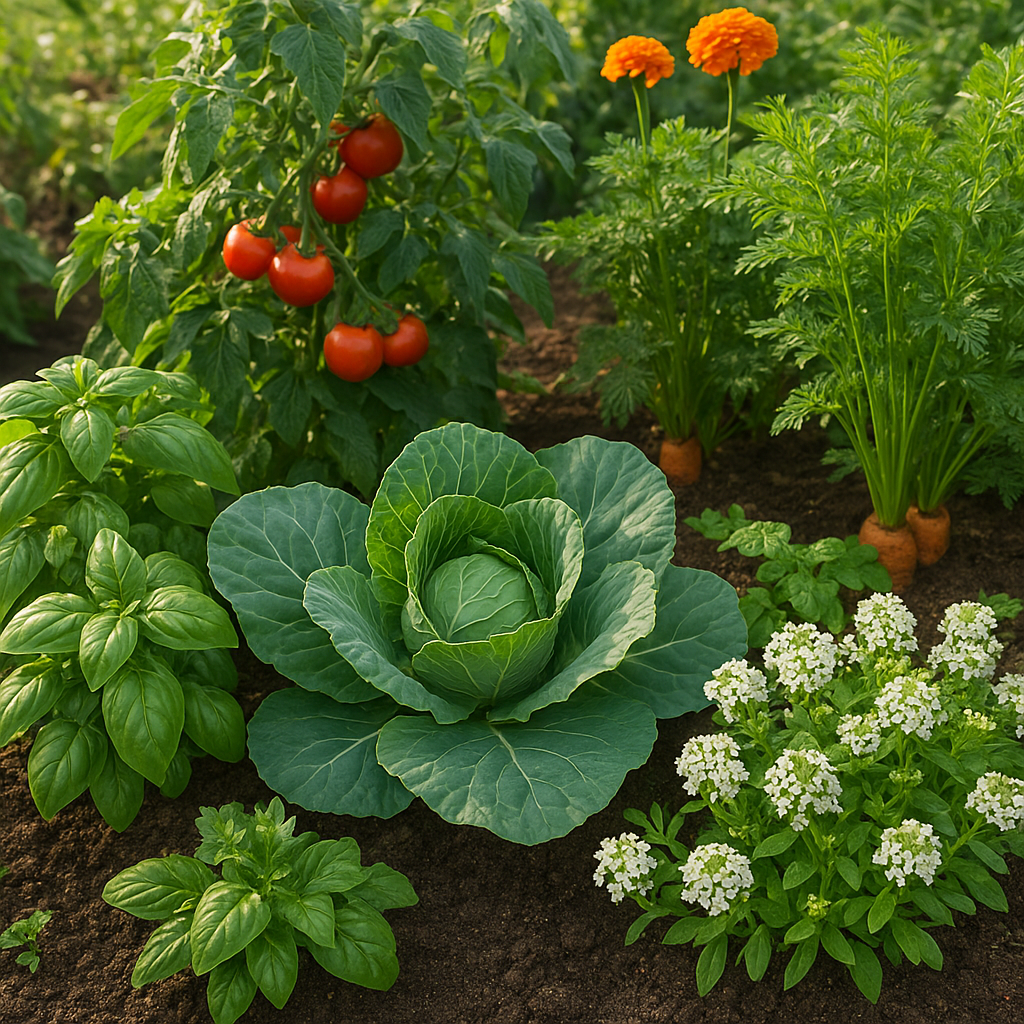
Companion planting stands out as a time-tested approach to enhance garden productivity and promote a more sustainable ecosystem. By pairing crops that naturally benefit one another, gardeners can boost soil fertility, deter pests, attract essential pollinators, and improve overall plant resilience. Whether you manage a small home plot or a larger field, understanding these interactions can reduce reliance on synthetic inputs and foster a healthier agricultural environment.
Understanding Biological Mechanisms Behind Companion Planting
At its core, companion planting leverages biological relationships to achieve multiple benefits:
- Nitrogen-fixers: Certain legumes host rhizobia bacteria in root nodules that convert atmospheric nitrogen into forms plants can use. This natural fertilization reduces the need for external nitrogen fertilizers.
- Pest control: Some plants emit volatile compounds or harbor beneficial insects to suppress harmful pests. Marigolds, for example, produce substances that repel nematodes and whiteflies.
- Pollinators: Flowers with abundant nectar and pollen, like borage or nasturtiums, draw bees and butterflies, which in turn boost fruit set in adjacent crops.
- Allelopathy: Certain species release chemicals into soil that inhibit weed growth or deter pathogens, helping maintain a cleaner, disease-free root zone.
- Biodiversity: A mix of species creates a balanced micro-ecosystem, reducing the spread of crop-specific diseases and encouraging a stable microclimate.
Understanding these mechanisms allows growers to design planting schemes that improve yield and reduce external inputs. Properly selected companions can act as living mulch, shade providers, or windbreaks, shaping a more favorable soil structure and moisture regime.
Prominent Companion Plant Pairs for Robust Crops
Legumes and Grains: Nitrogen-Fixing Synergy
Intercropping peas or beans with cereals like maize or wheat creates a symbiotic partnership. The legumes enrich soil nitrogen, benefiting the nitrogen-demanding grains. Meanwhile, grains offer a trellis for climbing beans, maximizing vertical space. This combination improves fertility and often yields higher combined biomass than monocultures.
Tomatoes and Basil: Flavor and Protection
Basil not only enhances tomato flavor but also emits compounds that deter thrips, aphids, and tomato hornworms. Planting basil at the base of tomato vines can improve air circulation around tomato trunks, reducing fungal diseases and encouraging vigorous fruit production.
Marigolds and Squash: Nematode Management
French marigolds release alpha-terthienyl, a root exudate toxic to root-knot nematodes. Planting them around or between squash rows significantly lowers nematode populations, protecting cucurbit roots and ensuring healthier vines and fruits.
Onions and Carrots: Mutual Camouflage
Deep-rooted carrots and shallow-rooted onions complement each other underground without competing for resources. The strong odor of onions masks the scent of carrots, confusing carrot rust flies and reducing pest pressure. This simple pairing makes both crops more productive with minimal effort.
Corn, Beans, and Squash: The Three Sisters
A classic indigenous polyculture, the Three Sisters, combines corn’s stalks as bean support, beans’ nitrogen enrichment, and squash’s sprawling leaves that suppress weeds and retain soil moisture. This model captures the essence of companion planting by integrating sustainability, space optimization, and natural pest deterrence.
Strategies for Effective Implementation
Successful companion planting requires careful planning and observation. Consider these best practices:
- Spatial arrangement: Map out crop locations to ensure tall plants don’t overshadow shorter companions. Use square or triangular spacing for efficient intercropping.
- Succession planting: Rotate fast-maturing species with slower growers to maintain continuous ground cover, reducing erosion and weed growth.
- Crop rotation: Avoid planting companions from the same family season after season to prevent pathogen buildup and soil nutrient depletion.
- Mulch and groundcover: Use living or organic mulches like clover or straw to maintain soil moisture, moderate temperature, and suppress weeds without herbicides.
- Irrigation management: Drip systems or soaker hoses deliver water at the root zone, keeping foliage dry and reducing fungal risks while catering to diverse crop water needs.
Monitoring plant health and pest populations regularly helps refine your pairing choices. Keep records of successes and challenges to adapt companion schemes over multiple seasons, gradually building more resilience into your planting plan.
Leveraging Advanced Techniques and Innovations
As agriculture evolves, companion planting integrates with new methods to enhance productivity and environmental stewardship:
- Polycultures and agroforestry: Combining trees, shrubs, and annuals creates multi-layered systems that mimic natural ecosystems and improve carbon sequestration.
- Precision agriculture: Soil sensors and drone imagery identify nutrient hotspots and pest outbreaks, guiding targeted companion plant introductions and reducing resource waste.
- Biocontrol integration: Introducing predatory insects like ladybugs or parasitic wasps alongside trap crops amplifies pest suppression without chemical interventions.
- Permaculture design: Emphasizing pattern-based landscaping, permaculture promotes perennial companions, beneficial guilds, and minimal tillage for long-term soil structure health.
By combining time-honored companion strategies with modern tools, growers can optimize land use, reduce chemical dependencies, and foster agroecosystems that thrive under changing climates. Embracing these principles paves the way for a more productive and environmentally friendly agricultural future.