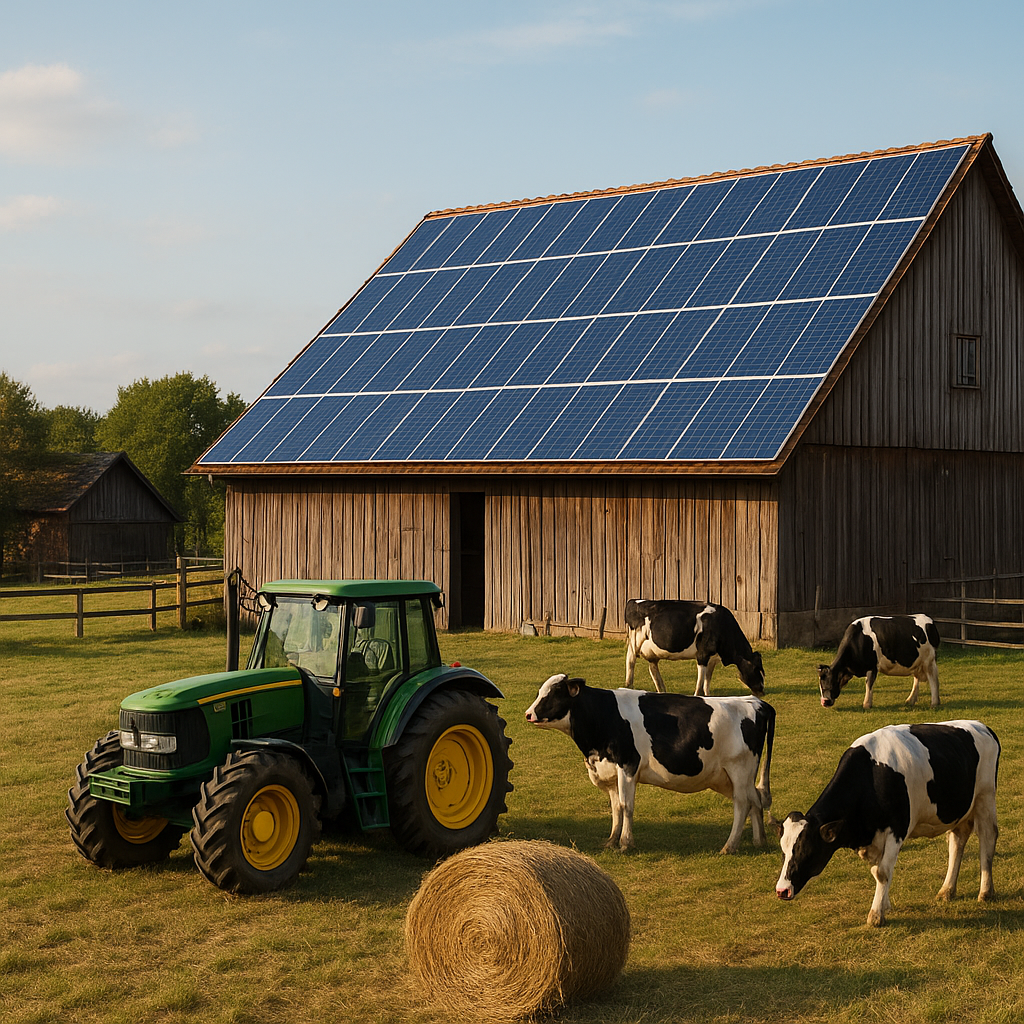
Farms face growing pressure to balance production demands with the rising cost of energy and environmental concerns. Embracing practices that enhance efficiency can transform operations, lower expenses, and boost overall productivity. This guide explores practical methods to keep your farm energy-efficient, focusing on strategies that are both cost-effective and aligned with long-term sustainability goals.
Understanding Energy Consumption Patterns
Identifying where and how energy is used is the first step toward meaningful improvement. By analyzing consumption patterns, farm managers can target the highest-impact areas and allocate resources wisely.
Major Energy Uses on Modern Farms
- Heating and cooling of livestock shelters and storage facilities
- Water pumping and irrigation systems
- Lighting—both greenhouse and barn illumination
- Machinery operation, including tractors, conveyors, and milking machines
- Processing and storage equipment, such as grain dryers and refrigeration units
Each category contributes significantly to the overall energy bill. For example, inefficient lighting can account for up to 30% of total consumption in barns and greenhouses.
Conducting an Energy Audit
An on-site monitoring assessment will reveal weak points. Steps include:
- Examining utility bills over the past year to spot seasonal spikes
- Using meters or smart sensors to measure real-time power use
- Inspecting building envelopes for drafts and thermal leaks
- Reviewing the performance and maintenance schedules of equipment
Once data is gathered, categorize findings by potential savings and implementation cost. Prioritize changes that yield rapid payback, such as upgrading outdated motors or sealing ductwork.
Implementing Renewable Energy Sources
Transitioning to renewable sources not only cuts utility bills but also strengthens resilience against fuel price fluctuations. Well-integrated systems can satisfy a significant portion of farm energy needs.
Solar Panels for On-Site Generation
Photovoltaic arrays convert sunlight into electricity that powers everything from pumps to processing lines. Key considerations include:
- Roof orientation and shading analysis to maximize sunlight exposure
- Sizing the system according to average daily consumption
- Net metering options to sell excess energy back to the grid
- Maintenance plans for cleaning and inverter upkeep
Investments in solar panels often pay back within 5–10 years, depending on incentives and energy prices.
Wind Turbines and Biomass Solutions
Small-scale wind turbines can complement solar output, especially in breezy regions. Meanwhile, biomass boilers utilize crop residues, manure, and wood chips to produce heat.
- Wind assessments to verify average speeds above 5 m/s
- Permits and zoning regulations for turbine installation
- Designing biomass systems to integrate with existing boilers or furnaces
- Supply chain logistics for sustainable fuel sourcing
By combining multiple sources, farms can achieve continuous power and heat, reducing reliance on diesel or electric heating.
Optimizing Farm Infrastructure
Enhancing the physical structures and equipment on the farm creates lasting improvements in energy performance. Attention to detail in retrofits and new builds makes a big difference over time.
Insulation and Building Design
Proper insulation maintains stable indoor climates, reducing heating and cooling loads. Strategies include:
- Upgrading walls, roofs, and floors with high R-value materials
- Installing energy-efficient doors and windows with weatherstripping
- Implementing natural ventilation pathways to avoid overheating
- Orienting new structures to take advantage of passive solar gain
Well-insulated barns and warehouses not only save energy but also protect animals and stored goods from extreme temperatures.
Efficient Lighting and Equipment
Replacing outdated bulbs and motors is one of the quickest ways to reduce electricity use:
- Swap incandescent or fluorescent lamps for LED lighting fixtures
- Install motion sensors and timers to limit operation to necessary hours
- Select premium-efficiency motors (IE3 or IE4 ratings) for pumps and fans
- Perform regular maintenance to keep equipment running at peak performance
LED upgrades can cut lighting energy consumption by up to 80%, and high-efficiency motors offer 5–10% savings versus standard models.
Water Management and Irrigation
Water pumping systems are major energy consumers. Optimizing irrigation ensures water and power are used judiciously:
- Switch to drip or micro-sprinkler systems to reduce flow rates
- Use variable-speed drives on pumps to match pressure needs
- Implement soil moisture sensors and automated controls
- Schedule irrigation during low-tariff periods to lower costs
Effective water management not only conserves power but also enhances crop yields by delivering moisture precisely where and when it’s needed.
Leveraging Smart Monitoring and Automation
Integrating digital technologies helps farm managers respond quickly to anomalies and optimize resource use around the clock.
IoT Sensors and Data Analytics
Internet of Things (IoT) devices provide granular insights into energy flows:
- Temperature, humidity, and light sensors in barns and greenhouses
- Electricity submeters on individual circuits or machinery
- Cloud-based dashboards that track consumption trends
- Alerts for equipment malfunctions or excessive usage
Data-driven decisions allow for continuous improvement and help isolate issues before they escalate.
Automated Climate Control Systems
Automated thermostats, ventilators, and shading systems maintain optimal conditions with minimal manual intervention. Benefits include:
- Consistent environmental conditions for livestock health
- Reduction in energy spikes caused by manual overrides
- Scheduling capabilities that align with daylight and weather forecasts
- Integration with mobile apps for remote adjustments
Automation enhances comfort and performance while ensuring maximum efficiency in resource use.
Financing and Incentive Programs
Various grants, rebates, and low-interest loans can offset upfront costs, making large-scale upgrades more accessible.
Government and Utility Rebates
Many regional programs reward investments in renewable energy and energy-saving equipment. Research available incentives for:
- Solar PV installation
- Wind energy systems
- High-efficiency motors and lighting upgrades
- Agricultural water and heating projects
Bundling multiple measures can unlock higher rebate tiers and accelerate payback periods.
Financing Through Energy Service Companies
Energy Service Companies (ESCOs) design, install, and sometimes finance projects in exchange for a share of guaranteed savings. This approach:
- Eliminates the need for large capital outlays
- Transfers performance risk to the ESCO partner
- Delivers turnkey solutions, from planning to commissioning
Partnerships with ESCOs can be particularly beneficial for farmers seeking technical expertise without internal resources.