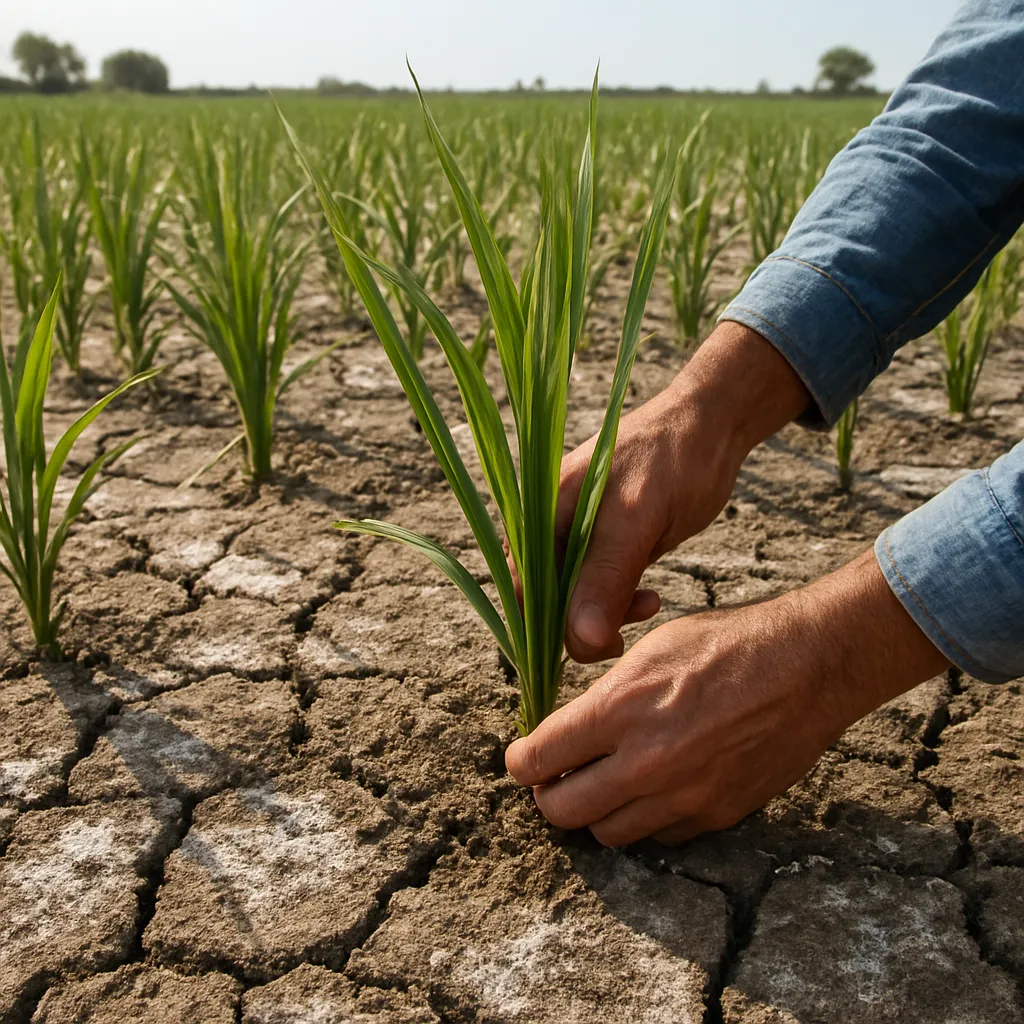
Growing crops on land affected by high salt levels demands careful planning, precise techniques and a deep understanding of the interactions between soil, water and plant physiology. With the right approach, even soils with elevated salt content can become productive fields that yield healthy, high-quality produce. This guide will explore proven methods to transform saline ground into fertile farmland, focusing on key strategies from crop selection to advanced management practices.
Understanding Soil Salinity and its Effects
Soil salinity refers to the concentration of soluble salts in the root-zone, which can seriously limit plant development. Excessive salt causes osmotic stress, making water uptake difficult and leading to waterlogging symptoms such as wilting, leaf burn and stunted growth. Common salts include sodium chloride, calcium sulfate and magnesium sulfate. Testing for electrical conductivity (EC) helps quantify salinity levels so farmers can devise targeted solutions.
- Sources of Salinity: Natural weathering of parent rock, irrigation with poor-quality water and insufficient drainage.
- Effects on Plants: Nutrient imbalances, toxic ion accumulation and reduced microbial activity.
- Measurement Techniques: Soil solution extracts, EC meters and laboratory analyses.
Selecting Salt-Tolerant Crops and Varieties
Choice of crop is fundamental when dealing with saline soils. Certain species and cultivars thrive where others fail, using adaptive mechanisms to exclude or compartmentalize salt. Incorporating salt-tolerant cultivars can greatly improve yield and reduce input costs.
- Barley and Oats: Moderate tolerance and suitable for cooler climates.
- Beet and Spinach: High tolerance, often used as rotation crops for soil reclamation.
- Cotton and Date Palm: Well-adapted to arid, saline conditions.
- Forage Grasses: Species like tall wheatgrass and saltgrass offer both tolerance and organic residue return.
When selecting varieties, consult local agricultural extension services for region-specific performance data and breeding advances. Trials in small test plots can help identify the best performers under your unique conditions.
Improving Soil Structure and Chemistry
Saline soils often suffer from poor aggregation and compaction. Improving soil structure increases aeration, encourages root penetration and enhances microbial activity. Key amendments include:
- Gypsum Application: Calcium sulfate replaces sodium on clay colloids, flocculates soil particles and promotes drainage. Typical rates range from 2 to 5 tons per hectare, depending on soil texture and sodium saturation percentage.
- Organic Matter: Compost, well-decomposed manure and crop residues improve aggregate stability and boost microbial biomass. Aim to incorporate at least 2–4% organic carbon in the topsoil.
- pH Adjustment: Many saline soils are also alkaline. Elemental sulfur or acidifying fertilizers can lower pH, increasing nutrient availability and supporting beneficial microorganisms.
Regular soil testing guides amendment quantities and timing. Avoid over-application of gypsum or compost to reduce leaching risks and nutrient imbalances.
Effective Irrigation and Leaching Strategies
Proper water management is pivotal in flushing excess salts from the root zone. Irrigation scheduling and method influence leaching efficiency and water use efficiency.
Scheduling and Frequency
- Apply small, frequent volumes if using surface irrigation to minimize runoff and maximize infiltration.
- Monitor soil moisture with tensiometers or probes to determine when to leach.
- Maintain a leaching fraction of 10–20% above crop evapotranspiration needs.
Irrigation Technologies
- Drip Irrigation: Delivers water directly to the root zone, reducing evaporation and surface crusting.
- Subsurface Drip: Burying lateral lines below the soil surface enhances deep salt flushing and minimizes weed growth.
- Sprinkler Systems: Useful for light soils but may require additional measures to prevent salt crust formation around emitters.
Combine irrigation with proper drainage—open ditches, tile drains or raised beds—to carry leachate away from roots and prevent re-accumulation of salts.
Crop Management Practices for Saline Conditions
Beyond soil and water adjustments, effective crop rotation and field practices support long-term productivity.
- Cover Crops: Salt-tolerant species like millet and sorghum produce biomass, protect soil surfaces and cycle nutrients.
- Mulching: Organic mulches reduce surface evaporation, stabilize soil temperature and add organic matter as they decompose.
- Fertilizer Management: Use chloride-free sources, split N applications and consider foliar feeds to meet crop needs without exacerbating salinity.
- Weed Control: Dense weed growth increases transpiration and surface salinization; timely mechanical or chemical control is essential.
Adopt a holistic system where each practice complements others—cover crops reduce soil erosion, which in turn helps maintain fertilizer efficacy and soil amendment distribution.
Monitoring and Long-Term Reclamation
Sustainable reclamation of saline soil is an ongoing process requiring constant observation and adjustment. Key monitoring tools include:
- Soil Testing: Seasonal EC and sodium adsorption ratio (SAR) measurements to track improvement.
- Water Quality Analysis: Regular checks of irrigation water EC to prevent additional salt loading.
- Plant Tissue Testing: Determines if crops experience hidden salt stress or nutrient deficiencies.
- Remote Sensing: Drones and satellite imagery reveal patterns of salinity and crop health across large fields.
Combining data from these sources allows farmers to fine-tune leaching volumes, amendment rates and crop selections, ensuring a progressively healthier soil profile. With patience and informed management, even severely saline soils can be rehabilitated into productive agricultural land.