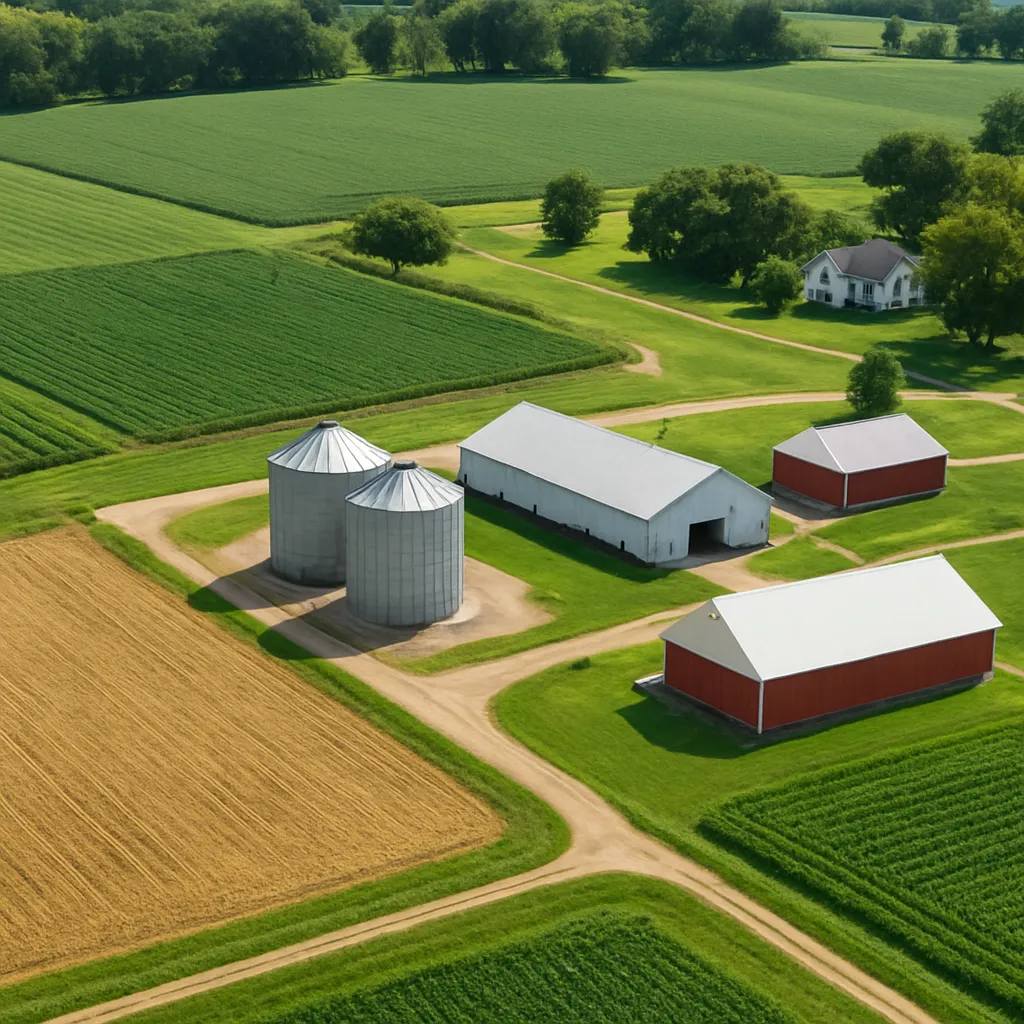
Designing an efficient farm layout requires careful planning of fields, buildings, access routes, and water systems. A well-thought-out arrangement not only enhances productivity but also promotes sustainability and resilience in the face of changing weather patterns. By considering soil characteristics, topography, and operational flow, farmers can minimize wasted effort, reduce costs, and nurture healthy ecosystems. The following guide explores key principles and practical tips to create a farm layout that balances environmental stewardship with economic goals.
Strategic Zoning for Optimal Workflow
Organizing your property into distinct zones helps streamline daily tasks and ensures that resources are allocated where they are most needed. Zoning involves grouping similar activities, planning efficient pathways, and anticipating future expansion.
Zone Identification
- Divide the farm into primary areas such as crop fields, animal housing, irrigation zones, storage yards, and processing facilities.
- Use natural boundaries like tree lines, waterways, or elevation changes to define zones and prevent erosion or runoff.
- Apply a color-coded or numbered map for quick orientation during busy seasons.
Crop Grouping
Group crops with similar water and nutrient needs to simplify irrigation and fertilization schedules. For example, high-value vegetables can occupy one block, while grains or cover crops fill another. This approach reduces equipment moves, minimizes cross-contamination by pests and diseases, and maximizes efficiency in labor deployment.
Access Routes and Traffic Flow
- Plan wide, well-drained roads to accommodate tractors, trailers, and emergency vehicles.
- Ensure direct connections between storage sheds, processing areas, and field zones to eliminate unnecessary backtracking.
- Implement roundabouts or turnouts at busy intersections to prevent bottlenecks during planting or harvest.
Enhancing Soil Health and Crop Placement
Understanding the soil profile across your farm enables you to match crops to the most suitable ground, improving yields and maintaining nutrient balance. A thoughtful rotation plan also helps build long-term vitality of the land.
Soil Testing and Analysis
- Perform grid or zone sampling every 2–3 years to monitor pH, organic matter, and nutrient levels.
- Adapt lime or gypsum applications to correct acidity or improve structure based on test results.
- Track changes over time using digital records, ensuring continuous improvement of soil health.
Rotation Patterns
Rotate annuals, perennials, and legumes to break pest cycles and enhance nitrogen fixation. A typical four-year sequence could include:
- Year 1: Corn or wheat
- Year 2: Legume cover crop (clover, vetch)
- Year 3: Oilseed or specialty vegetable
- Year 4: Fallow or green manure
Such a strategy sustains fertility, reduces synthetic inputs, and fosters long-term yield improvements.
Intercropping and Biodiversity
Integrate strips of flowers, herbs, or other companion plants between main rows to attract pollinators and beneficial insects. This enhances biodiversity and can cut reliance on chemical controls. Plan buffer zones planted with native grasses or trees to provide habitat for wildlife and mitigate wind erosion.
Water Management and Irrigation Systems
Efficient water use is critical in regions facing moisture shortages or during droughts. A robust system balances supply, delivery, and drainage to maintain optimal conditions throughout the growing season.
Irrigation Techniques
- Drip irrigation delivers water directly to the root zone, reducing evaporation and runoff.
- Sprinkler systems are versatile but may lose moisture to wind; calibrate nozzles and operate during calm periods.
- Consider sub-surface drip lines for high-value crops to prevent surface evaporation.
Water Harvesting and Storage
Capture rainwater from rooftops and shed surfaces using gutters and downspouts directing flow into storage tanks or ponds. Design basins with gentle slopes and protective liners to limit seepage. Store enough capacity to sustain crops for 4–6 weeks without rainfall, ensuring resilience to dry spells.
Drainage and Runoff Control
- Install swales or contour ditches to slow water, encourage infiltration, and prevent gully formation.
- Use grassed waterways to transport excess runoff away from fields without eroding soil.
- Maintain tile drainage to lower water tables in heavier soils, but monitor discharge to avoid downstream pollution.
Infrastructure Planning and Accessibility
Well-placed buildings, storage areas, and equipment yards minimize travel time and labor fatigue. An integrated approach considers both current operations and potential future growth.
Building Placement
- Locate barns and machinery sheds near high-use zones like main fields or livestock pens.
- Elevate structures above flood plains and ensure proper foundations to avoid water damage.
- Orient openings to take advantage of prevailing winds for natural ventilation.
Equipment Storage and Maintenance Areas
Design a centralized maintenance yard with easy access to fuel, spare parts, and cleaning stations. Include a covered wash bay to contain agrochemical residues and protect underlying surfaces from deterioration.
Transport and Logistics
- Plan direct pathways from loading docks to nearby roads; avoid steep grades and tight turns.
- Place scales and inspection points at the yard entrance to streamline shipping operations.
- Incorporate space for future expansion of packing or processing lines, reducing the need for costly relocations later.
Leveraging Technology and Innovation for Continuous Improvement
Modern tools can revolutionize farm layout and management. Precision agriculture and data-driven decisions enhance productivity while conserving resources.
GPS Mapping and Field Sensors
- Use GPS-enabled tractors to execute straight, overlap-free passes, optimizing fuel and seed placement.
- Deploy soil moisture probes and weather stations to trigger irrigation and spraying only when needed.
- Integrate drone imagery to detect pest hot spots or nutrient deficiencies, enabling targeted interventions.
Digital Farm Management Platforms
Adopt software that consolidates crop records, equipment maintenance logs, and financial data. Real-time dashboards allow quick adjustments to planting, fertilization, and harvesting schedules. Automated alerts for upcoming tasks keep teams aligned and proactive.
Solar Power and Renewable Energy
- Install solar panels on barn roofs or open ground for on-site electricity generation.
- Pair with battery storage to power pumps, lighting, and sensors during off-peak hours.
- Consider small wind turbines or biomass digesters for further diversification of energy sources.
By thoughtfully combining zoning strategies, soil and water management, infrastructure planning, and cutting-edge technology, farmers can optimize their layouts for maximum efficiency and long-term profitability. Investing time in the design phase will yield dividends in labor savings, resource conservation, and enhanced crop performance.